You land at Kansai International Airport, clear immigration with the Visit Japan Web QR code you prepared months ago, and board the Haruka Express. Ninety minutes later, you’re standing outside Kyoto Station surrounded by a wall of selfie sticks and tour group flags. The magic you booked this trip for? It’s buried under a wave of polyester hiking gear and rented kimonos. This isn’t a transportation problem. It’s a timing problem. And it’s completely fixable.
Most visitors to Kyoto follow the same circadian rhythm: breakfast at the hotel, first temple at 9:30 AM, lunch at Nishiki Market at noon. This schedule guarantees you’ll share every moss garden and Zen rock arrangement with three thousand of your closest strangers. The city’s cultural sites—Kinkaku-ji, Fushimi Inari Taisha, the Arashiyama Bamboo Grove—receive over 50 million visitors annually. But here’s the thing: 90% of those visitors show up between 10 AM and 3 PM. The remaining hours belong to people who understand how light, silence, and empty paths transform a temple visit into something closer to what the monks intended.
This itinerary inverts the standard schedule. You’ll hit the headliner sites at dawn or dusk, sleep through the midday crush if you want, and spend your afternoons in neighborhoods and temple compounds that tour buses physically cannot reach. It’s built for culture lovers who want the postcard views without the postcard crowds—and who are willing to set a 5 AM alarm to get them.
Why Kyoto’s Crowd Problem Is About to Get Worse (And How to Sidestep It)
Japan welcomed over 36 million international visitors in 2026, and the 2026 Osaka World Expo pushed those numbers higher. The 2026 forecast puts inbound tourism at pre-Expo levels with a lingering boost—meaning Kyoto’s most famous spots will be under sustained pressure. The municipal government has responded with bus route changes, expanded no-photography zones in Gion’s private streets, and higher admission fees at several temples.
None of this matters if you plan around the crush instead of fighting it. The single most effective strategy is temporal: visit marquee sites during the first or last operating hour. The second strategy is spatial: know which second-tier temples offer 90% of the atmosphere for 10% of the visitors. Combine both and you’ll wonder where everyone went.
The 6 AM Advantage
Fushimi Inari Taisha opens 24 hours. The main gate at 7:30 AM is a human traffic jam. The main gate at 5:45 AM is you, a few joggers, and the fox statues. You can reach the famous torii gate tunnels—the ones that photograph as empty orange corridors—by 6:15 AM and have them to yourself for a solid 45 minutes. The full loop to the summit takes 2-3 hours; most tourists turn back after 30 minutes. Push past the first viewpoint and the crowd evaporates. Bring a headlamp if you’re starting before sunrise. The paths are paved but uneven in spots.
The Second-Tier Swap
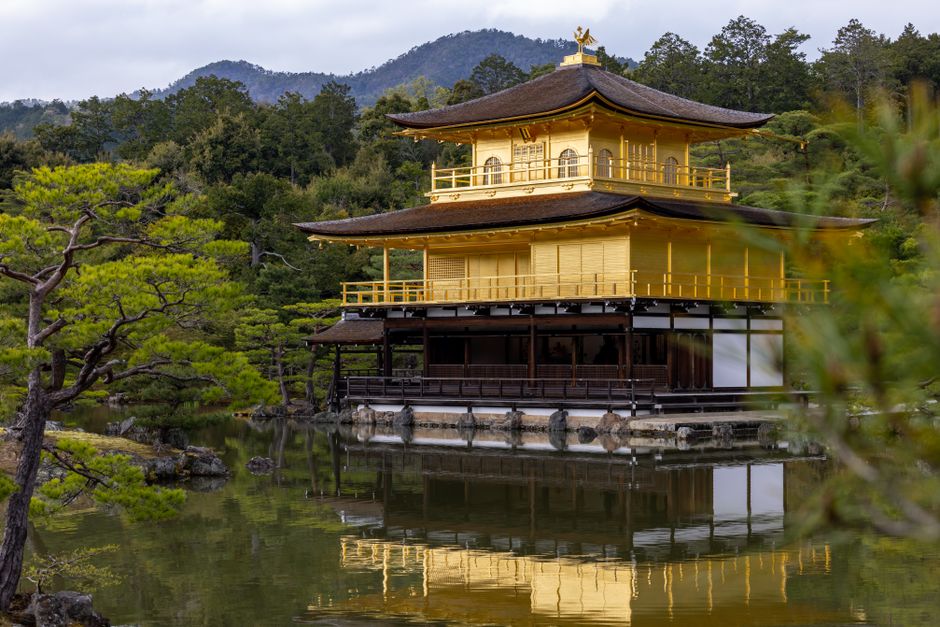
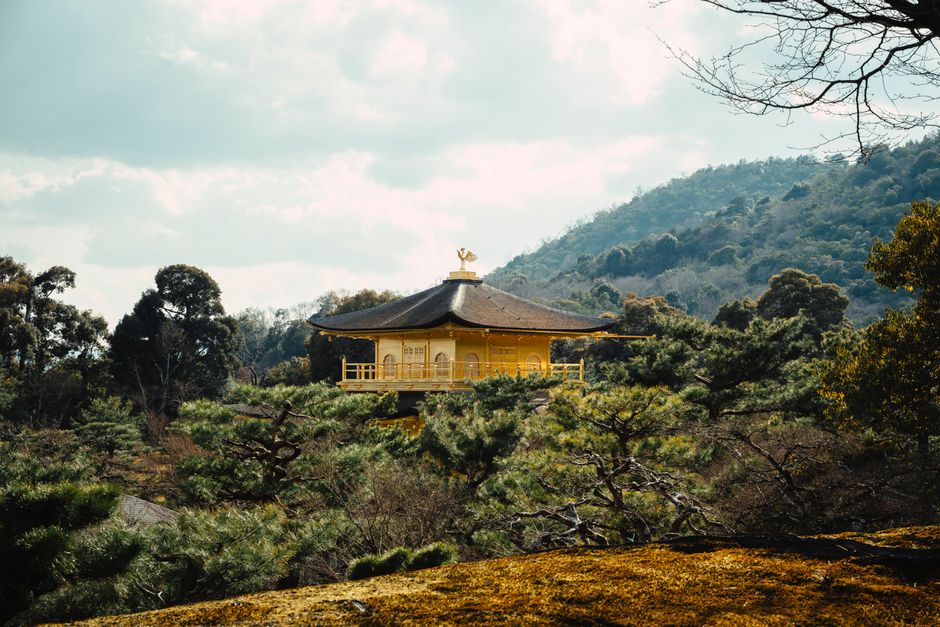
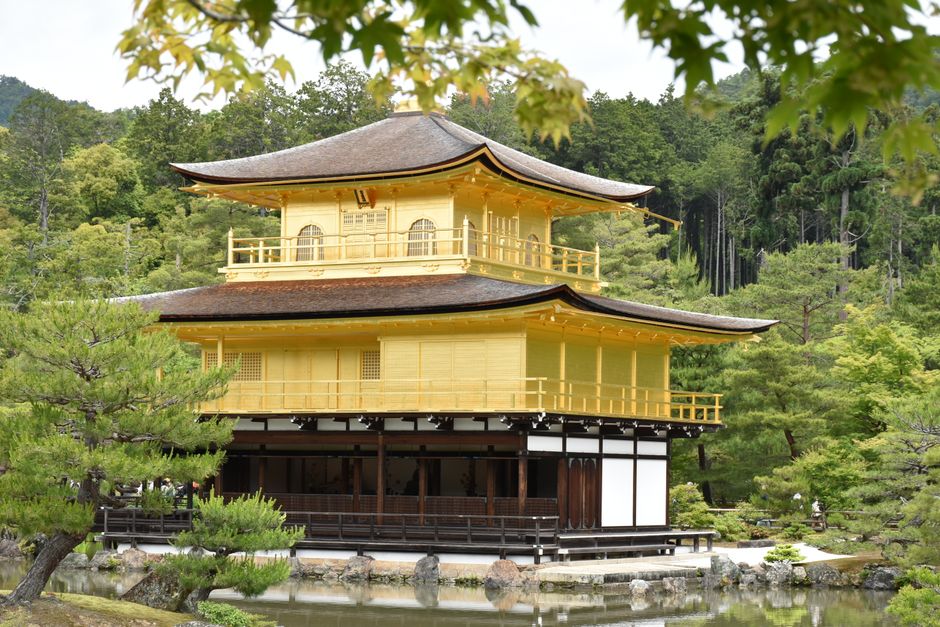
Everyone goes to Kinkaku-ji (the Golden Pavilion). Almost nobody goes to Daitoku-ji, a walled temple complex in northern Kyoto that contains 22 subtemples, several of which open their gardens to the public. Daisen-in and Zuiho-in have rock gardens that rival Ryoan-ji’s, and you’ll often share them with fewer than five other people. The entrance fee for each subtemple runs ¥400-¥600. You can spend an entire morning wandering between them, and the only soundtrack is raked gravel under your shoes.
The Day-by-Day Itinerary: Temples at Dawn, Alleys at Dusk
This schedule is built around light, foot traffic patterns, and the fact that Kyoto’s best meals happen in tiny eight-seat restaurants that don’t take reservations. You’ll need comfortable walking shoes—you’ll cover 15,000-20,000 steps daily—and a loaded IC card (Suica or ICOCA on your phone works fine).
Day 1: East Kyoto – The Dawn Ascent
5:30 AM: Arrive at Fushimi Inari Taisha. Walk the lower torii gates in near-solitude. Climb to the Yotsutsuji intersection (about 30-40 minutes up) for sunrise views over the city. Descend by 8:00 AM.
8:30 AM: Breakfast at a konbini (FamilyMart or 7-Eleven)—grab onigiri and canned coffee. Eat on a bench near the Fushimi Inari station. This is not glamorous. It is efficient.
9:30 AM: Bus or taxi to Tofuku-ji, a 15-minute walk north. Famous for autumn foliage, but its Hojo gardens—four distinct Zen gardens surrounding the abbot’s hall—are stunning year-round and rarely crowded before 10 AM. Entry ¥500.
12:00 PM: Lunch near Sanjusangendo. The temple itself houses 1,001 statues of Kannon and is worth the ¥600 entry, but the real move is eating at one of the small udon shops on the side streets east of the temple.
2:00 PM–4:00 PM: Siesta window. Go back to your accommodation. Kyoto in August hits 35°C with 80% humidity. Walking between noon and 3 PM in summer is a fast track to heat exhaustion. In cooler months, use this window for a nap or an air-conditioned café.
4:30 PM: Walk the Philosopher’s Path from Nanzen-ji north toward Ginkaku-ji. The late-afternoon light turns the canal golden. Most tourists have already retreated to their hotels. The path is 2 km and takes about 30 minutes without stops; with detours into temple grounds, budget 90 minutes.
6:30 PM: Dinner in the Demachiyanagi area. This neighborhood near the path’s northern end has izakayas and ramen shops that serve locals, not tourists. Ramen Muraji does a yuzu shio ramen that’s worth the 20-minute queue.
Day 2: Arashiyama – Before the Buses Arrive
6:00 AM: Bamboo Grove. The tour buses start rolling in at 8:30 AM. At 6:15 AM, the grove is empty except for a few photographers and the occasional monk walking to Tenryu-ji. The light filters through the stalks in a way that disappears once the sun gets high. You have about 90 minutes of magic here.
7:30 AM: Tenryu-ji temple garden opens at 8:30 AM, but the bamboo grove is free and always accessible. Walk the grove first, then be first in line when the temple gates open. The garden, designed in the 14th century, uses the Arashiyama mountains as “borrowed scenery”—a technique where distant landscape becomes part of the composition. Entry ¥500 for the garden only, ¥800 including the buildings.
10:00 AM: Walk north along the Katsura River to Jojakko-ji and Gio-ji. These two temples sit up the hillside and receive a fraction of Arashiyama’s traffic. Gio-ji’s moss garden is small, shaded, and deeply quiet. Entry ¥300-¥500 each.
12:30 PM: Lunch at Arashiyama Yoshimura for soba with a river view, or grab taiyaki from a street stall and eat by the water.
2:00 PM: Afternoon rest. Arashiyama has several onsen foot baths if your feet are protesting. The station itself has one for ¥200.
5:00 PM: Cross the Togetsukyo Bridge and walk the south bank as the sun sets behind the mountains. Dinner at an izakaya near Arashiyama Station—the Hankyu line, not the JR one, which puts you closer to the river.
Day 3: Northern Kyoto – The Zen Circuit
7:00 AM: Ryoan-ji opens at 8:00 AM. Arrive 15 minutes early to be first inside. The rock garden—15 stones arranged so that only 14 are visible from any angle—is Kyoto’s most famous Zen composition. At 8:05 AM, you’ll have it to yourself. By 9:30 AM, you’ll be shoulder-to-shoulder with tour groups. Entry ¥500.
9:00 AM: Walk 10 minutes to Kinkaku-ji. Yes, it’ll already be crowded. But the Golden Pavilion is one of those sites you see anyway because it’s genuinely spectacular. Go in, take the photo, walk the loop, exit. Thirty minutes max. Entry ¥400.
10:30 AM: Now the real morning begins. Take a taxi (about ¥1,500) to Daitoku-ji. Spend the next three hours exploring Daisen-in, Zuiho-in, and Koto-in. Each subtemple charges ¥400-¥600. The cumulative experience—walking between silent compounds, sitting on tatami overlooking raked gravel—is what most people imagine Kyoto to be and rarely find.
2:00 PM: Late lunch near Imamiya Shrine. The shrine itself is small and ancient, and the surrounding streets have aburi mochi shops—grilled rice cakes dusted with sweet miso—that have been operating for over 400 years. Kazariya and Ichiwa sit across the street from each other. Try both. Each plate costs about ¥600.
Day 4: Central Kyoto – Markets, Machiya, and the Floating World
8:00 AM: Nishiki Market. Yes, it’s touristy. It’s also a 400-year-old covered market with 130 stalls selling pickles, knives, seafood skewers, and matcha everything. Go early—stalls open around 9:00 AM, but arriving by 8:30 AM lets you walk the length before the crush. Eat breakfast as you go: tamagoyaki on a stick, grilled scallops, a matcha warabi mochi from Sawawa.
10:00 AM: Walk east to Kennin-ji, Kyoto’s oldest Zen temple. Its fusuma paintings of dragons and its twin rock gardens are world-class, and it’s inexplicably uncrowded compared to temples half as interesting. The ceiling dragon painting alone is worth the ¥600 entry.
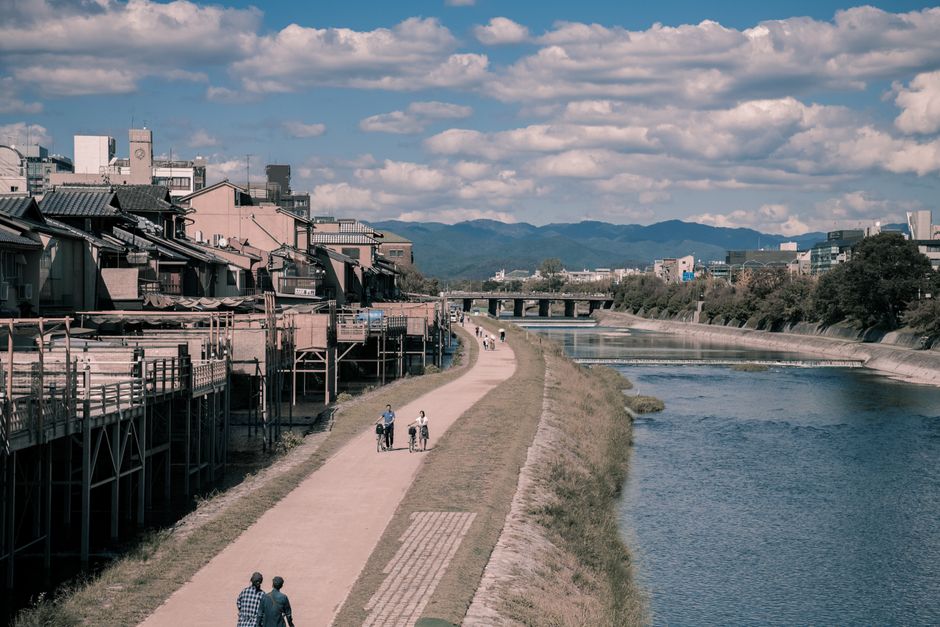
12:00 PM: Lunch in Pontocho Alley. This narrow lane along the Kamogawa River is lined with restaurants at every price point. In summer (May–September), many build temporary platforms over the river—kawayuka dining. Book ahead if you want a riverside seat. Otherwise, walk the alley and pick a lunch set; most run ¥1,200-¥2,000.
2:00 PM–4:00 PM: Afternoon rest or optional visit to the Kyoto Railway Museum if you’re traveling with train-obsessed companions. The roundhouse full of historic steam locomotives is genuinely impressive even if you don’t know a Shinkansen from a local line. Entry ¥1,200.
5:00 PM: Walk through Gion as the lanterns come on. The private streets off Hanamikoji-dori—particularly the ones with no-photography signs posted—are where you might glimpse a geiko or maiko heading to an engagement. Don’t stop them for photos. Don’t block the street. Just observe. The ochaya (teahouses) with red lanterns and discreet entryways have been operating this way for centuries.
7:30 PM: Final dinner at an izakaya in Ponto-cho or Kiyamachi-dori. Order whatever the chef recommends. Drink sake from a wooden masu cup. You’ve earned it.
Kyoto 4-Day Schedule at a Glance
| Day | Dawn/Early AM (5:30–8:30) | Late Morning (9:00–12:00) | Afternoon (12:00–4:00) | Evening (4:30–8:00) |
|---|---|---|---|---|
| Day 1 | Fushimi Inari (empty paths, sunrise) | Tofuku-ji Hojo gardens | Lunch, rest/siesta | Philosopher’s Path, Demachiyanagi dinner |
| Day 2 | Arashiyama Bamboo Grove, Tenryu-ji | Jojakko-ji, Gio-ji moss garden | River lunch, foot bath, rest | Togetsukyo Bridge sunset, izakaya dinner |
| Day 3 | Ryoan-ji rock garden (first entry) | Kinkaku-ji quick visit, Daitoku-ji subtemples | Aburi mochi near Imamiya Shrine | Free evening; revisit a favorite spot |
| Day 4 | Nishiki Market breakfast walk | Kennin-ji dragon ceiling, Gion streets | Pontocho lunch, rest or Railway Museum | Gion at dusk, final Pontocho dinner |
What Nobody Tells You About Kyoto Logistics
The city bus system is comprehensive and completely overwhelmed. Buses on the 100 and 206 routes—the ones connecting major temples—are packed by 9 AM. The Kyoto City Bus One-Day Pass (¥700) used to be the budget traveler’s secret weapon. In 2026, it’s less useful because you’ll waste 20-30 minutes waiting for a bus you can physically board.
The subway system is faster and less crowded but covers only a north-south corridor and an east-west line. For the gaps, use taxis. A ¥1,500 taxi ride between temple clusters saves you 45 minutes of bus agony. The math works if your time has any value at all. Uber operates in Kyoto but hails regular taxis at taxi rates—useful if you don’t want to explain your destination in Japanese.
Rental bicycles are Kyoto’s underrated transport mode. The city is mostly flat, bike parking is plentiful near temples, and you can cover the entire Higashiyama corridor on two wheels. Kyoto Eco Trip near Kyoto Station rents decent city bikes for ¥1,000-¥1,500 per day. Reserve ahead in spring and autumn.
The Japan Rail Pass Trap
The nationwide JR Pass price increased by roughly 70% in October 2026. For a Kyoto-only itinerary, it no longer makes mathematical sense. A 7-day pass costs ¥50,000. The Haruka Express round-trip from Kansai Airport to Kyoto costs about ¥5,000 total if you book the discounted Haruka ticket online. Local JR trains within the city cost ¥140-¥240 per ride. Unless you’re also traveling to Tokyo or Hiroshima, skip the pass. Get an ICOCA card at the airport, load it with ¥5,000, and tap through the gates.
The Mistake That Ruins a Kyoto Trip (And How to Avoid It)
Over-scheduling temples.
It’s the most common failure mode. You look at a map, see that eight temples sit within a 2 km radius, and decide to hit all of them. By temple three, they blur together. By temple five, you’re sitting on a bench scrolling your phone while a 600-year-old Zen garden sits ignored ten feet away.
Temple fatigue is real. The antidote is to treat each temple visit as a distinct experience rather than a checklist item. This itinerary builds in exactly two or three temple visits per day, separated by meals, walks, and rest periods. The gaps are not wasted time. They’re the space where Kyoto sinks in.
The second mistake is treating Kyoto like a museum city where culture exists behind velvet ropes. The culture is alive in the kissaten (old-school coffee shops) where the owner has been hand-dripping coffee for 40 years. It’s in the public bathhouses where neighborhood regulars have claimed the same locker since the Showa era. It’s in the tiny okonomiyaki counter where the chef corrects your technique with a gentle smile. Book a couple of temple entries, then leave room for what you find between them.
You’ll leave Kyoto tired—the good kind, the kind that comes from walking 18,000 steps through 1,200 years of history. But you’ll leave having seen the city, not just its greatest hits. And when you scroll through your photos on the flight home, the ones you’ll linger on won’t be the Golden Pavilion. They’ll be the empty bamboo path at 6:15 AM, the moss garden you had to yourself, and the narrow Gion alley lit by a single paper lantern.
That’s the Kyoto worth crossing an ocean for.