At 50 degrees north latitude, the shortest January days can offer fewer than nine hours of usable daylight. That sounds like a drawback, but it gives museum-focused travelers a useful advantage: less pressure to rush between outdoor sights and more reason to build a tight indoor route. The strongest Europe city breaks in January pair calm galleries with short transfers, reliable public transport, and a clear bad-weather backup.
Choose Vienna when museums matter more than mild weather
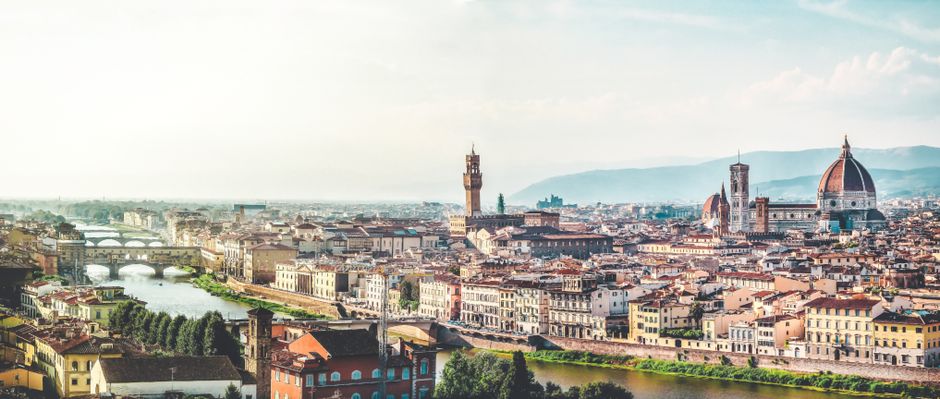
Choose Vienna if the main goal is to spend two or three days moving between serious collections without wasting half the trip on transport, because the Museum Quarter, Hofburg area, and central Ringstrasse create an unusually efficient route for winter travelers. A January visit also rewards a slower pace: you can spend two hours with one collection, leave for coffee, and still have enough time for a second gallery before dinner. The tradeoff is clear, though: Vienna is colder and darker than Madrid, so it is a poor choice for anyone expecting long outdoor walks or bright afternoons.
Start with the Kunsthistorisches Museum for Old Masters and imperial collections, then use the Albertina for a more compact second visit. Put the Belvedere on a separate half-day because its palace setting and gardens deserve daylight, even if you only spend a short time outside. For a three-day break, add the Leopold Museum or the Natural History Museum rather than crossing the city for one isolated attraction.
My verdict is specific: for travelers who want the calmest, most efficient museum schedule, Vienna beats Paris and Rome in January. Paris has larger headline attractions, but longer transfers and more crowd variation. Rome offers better temperatures, but outdoor ruins compete with museums for limited daylight. Vienna gives the most predictable indoor route, which is the feature that matters most in January.
How to build a two-day January museum itinerary
A good January itinerary is built around energy and daylight, not a long list of famous buildings. Two major museums per day is the practical ceiling for most visitors. Add smaller galleries only after the main reservations are secure.
Day 1: Put the largest collection first
- 09:00 to 09:30: Have breakfast near the first museum and check the day’s opening status.
- 10:00 to 12:30: Visit the largest collection while your attention is fresh. In Paris, that might be the Louvre; in Madrid, the Prado; in Vienna, the Kunsthistorisches.
- 12:30 to 14:00: Eat within ten minutes of the museum. A long cross-city lunch breaks the rhythm and exposes you to unnecessary rain or wind.
- 14:00 to 16:00: Choose a smaller second museum within one transit connection. Keep the final hour flexible for a café, bookshop, or early dinner.
Day 2: Reserve the specialist collection
- 09:30: Start with the museum that has the strictest timed-entry system, such as the Van Gogh Museum or Borghese Gallery.
- 11:30 to 13:00: Take a warm indoor break before lunch. January sightseeing becomes unpleasant when wet coats and cold hands turn every stop into a recovery period.
- 14:00 to 16:00: Visit one specialist collection, palace interior, or design museum rather than another enormous institution.
- After 16:00: Use the dark hours for a covered market, concert, cinema, or long dinner. Do not force a scenic walk after sunset just to fill the schedule.
Book the anchor museum first, then select the hotel and restaurants around that location. This reverses the usual planning order, but it cuts backtracking and gives the trip a stronger center.
How to handle rain, cold, and short January daylight
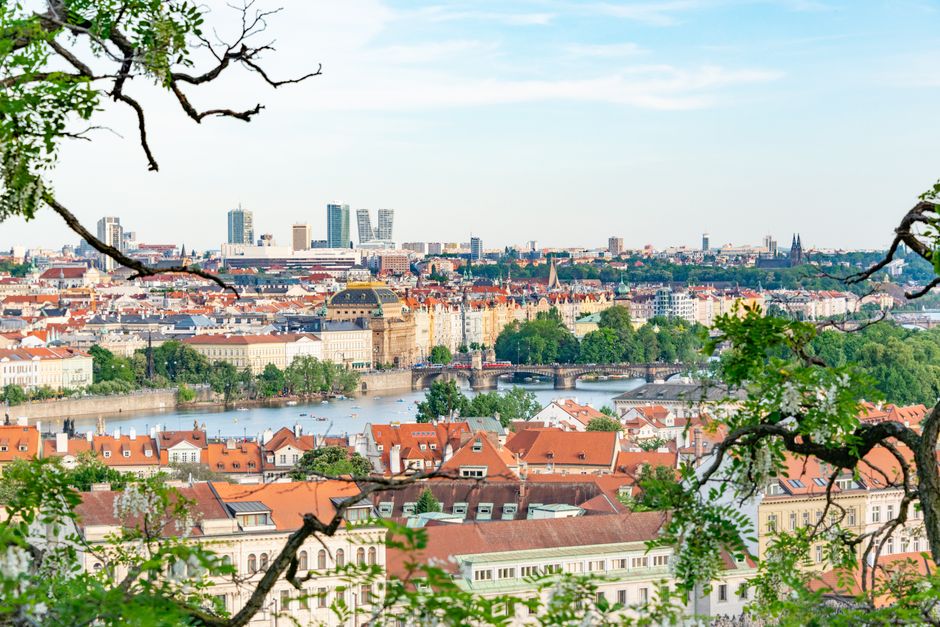
Do not plan a January city break as a summer itinerary with thicker clothing. Cold changes walking speed, rain adds indoor recovery time, and early darkness makes a distant viewpoint far less valuable. A route that looks simple on a map can become tiring when every outdoor segment includes a coat, wet pavement, and a search for somewhere warm.
Use daylight for the one outdoor section that matters
Place palace gardens, river walks, viewpoints, and historic squares between 11:00 and 15:00. In Rome or Madrid, that window may feel comfortable enough for a long lunch outdoors on a mild day. In Amsterdam, Prague, or Vienna, keep the outdoor section shorter and attach it directly to an indoor attraction. The goal is not to avoid the weather; it is to spend the best weather hours on the sight that cannot be moved indoors.
Build a backup within ten minutes
Every museum booking should have a nearby fallback. If rain closes in around the Louvre, the covered arcades and smaller galleries around the Palais Royal can save the afternoon. Around Vienna’s Hofburg, several museums, cafés, and historic interiors sit within a short walk. Near Madrid’s Prado, the Thyssen-Bornemisza and Reina Sofía give you options without turning a bad forecast into a transport problem.
Avoid the three common winter failures
- Overbooking: Four major museums in two days sounds efficient but usually produces shallow visits and sore feet.
- Ignoring closure days: A museum may close on a Monday, Tuesday, or a national holiday. Verify the official calendar rather than trusting an old blog post.
- Chasing a forecast: A seven-day forecast can change. Choose a route that still works if every afternoon is wet.
The best weather strategy is simple: reserve one major indoor attraction each morning, keep afternoons flexible, and let the forecast decide which outdoor stop survives.
How to budget and check travel-insurance exclusions
A calm museum trip can still become expensive when non-refundable tickets, delayed trains, and medical costs stack up. Build the budget in four parts: transport, accommodation, museum admissions, and a reserve for disruption. January fares can be attractive, but the lowest room rate is not a saving if it adds long daily transfers or leaves you stranded outside the museum district.
| Cost area | Planning method | Common risk | Consumer check |
|---|---|---|---|
| Transport | Price one airport transfer and two local transit days | Late arrival or strike | Check refund and rebooking rules |
| Accommodation | Compare total price within one transit ride of the museum cluster | Cheap room far from the center | Price the daily return journey |
| Museum tickets | Budget two major admissions per day | Missed timed entry | Read change and refund terms |
| Travel insurance | Compare medical, cancellation, and delay limits | Excluded pre-existing condition | Get multiple quotes and read exclusions |
What a policy may exclude
Travel insurance often excludes claims tied to an undeclared pre-existing medical condition, alcohol-related incidents, unattended baggage, civil unrest, or a trip booked after a known event. A standard cancellation section may not cover a simple change of mind, a missed museum slot, or a train delay that falls below the policy’s waiting period. Read the wording before paying for non-refundable bookings.
How to judge the insurer, not just the price
Use an AM Best financial-strength rating as one check on the insurer’s ability to meet obligations, then review current J.D. Power service results where the relevant carrier or travel product appears. Neither measure tells you whether your particular museum trip is covered. Travel insurance premiums vary by state and individual factors, including age, destination, trip cost, medical history, and selected limits, so get multiple quotes instead of copying another traveler’s price.
For visa travelers, medical insurance rules can vary by nationality, visa type, and consulate. Many Schengen visa applicants need proof of qualifying medical cover, while ordinary visa-free visitors may not. Check the current requirement for your passport before departure. The clearest buying rule is this: choose the policy with the exclusions you understand, not the policy with the smallest headline premium.
When should you skip a January museum city break?
Is January wrong for outdoor sightseeing?
Yes, if the main purpose of the trip is gardens, beaches, long daylight, or daily terrace dining. Paris, Vienna, and Amsterdam can be rewarding in winter, but January limits the time available for relaxed outdoor wandering. Choose May or September if you want a balanced mix of museums and streets without building the schedule around darkness.
Should families avoid January?
No, but families should choose a city with short transfers and museums that offer interactive rooms or clear child-friendly sections. Amsterdam and London can work well for this reason, while a huge collection such as the Louvre may frustrate younger children unless you plan one focused route. The mistake is treating a museum as a six-hour endurance event.
Is January still a good choice for a first European trip?
Yes, if you prefer lower crowd pressure, indoor culture, and a slower schedule. It is less suitable if you want every landmark photographed in bright light or expect all seasonal attractions to operate at full capacity. My final recommendation is Vienna for the most dependable museum-first break, Madrid for brighter winter afternoons, and Rome for travelers who want the mildest outdoor intervals between collections.