
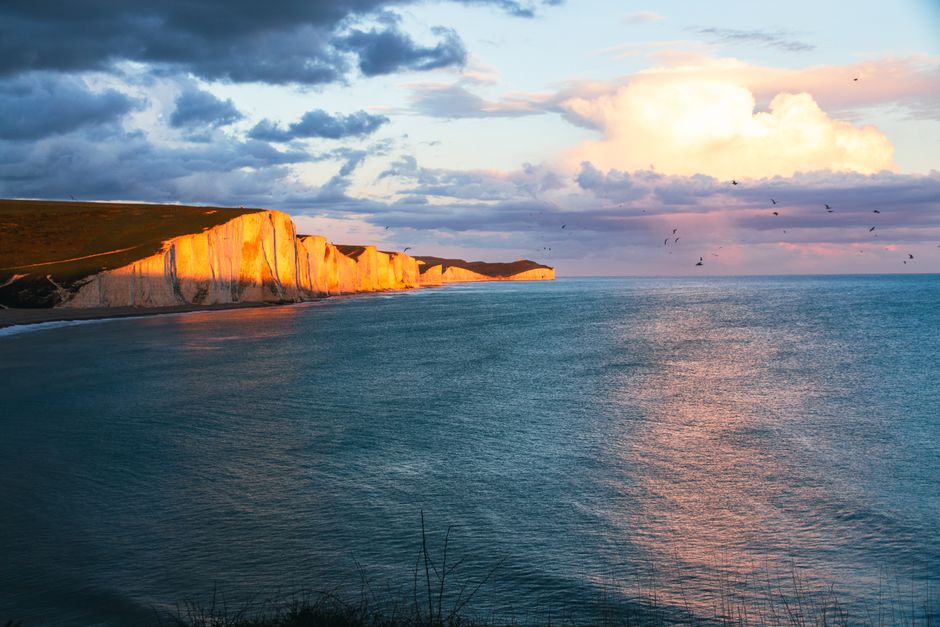
Can you leave home after breakfast, reach the coast, get a proper walk and lunch, then return before a late train turns one free day into a stressful overnight plan? Yes, but only if you judge a destination by usable daylight, direct transport, weather cover and return options rather than distance alone.
What makes a March coastal day trip workable?
The right March trip solves a simple planning problem: you need enough time beside the sea to make the journey worthwhile, but you also need protection from wind, rain, early darkness and timetable changes. A destination two hours away can work if the station sits near the beach and the route runs directly. A more famous coast can fail if the last connection is infrequent or the main attraction closes before you arrive.
Start with usable coast time
Set a hard limit of roughly two hours each way from your home station. Keep the route to one change at most, and aim for a destination where the station is within 20 minutes of the waterfront. This leaves at least four hours for a walk, a hot meal and one indoor stop. In early March, daylight is still limited, while the end of the month gives you about two extra hours of light at London’s latitude. That difference changes how far you can safely walk.
Build a March safety margin
Plan to arrive before 11am and start the return journey with 60 to 90 minutes of daylight still available. Carry a waterproof outer layer, shoes with grip and a charged phone. A coastal path can become unpleasant quickly when wind pushes rain across exposed cliffs. Check tides if your route crosses a beach, and check the return before leaving the station. The useful comparison is not an insurance score: AM Best ratings, J.D. Power scores, state-specific coverage requirements and premiums that vary by state and individual factors do not tell you if a UK train or beach route is practical. Travel time, shelter and a reliable return do.
The clear verdict: choose Brighton from London
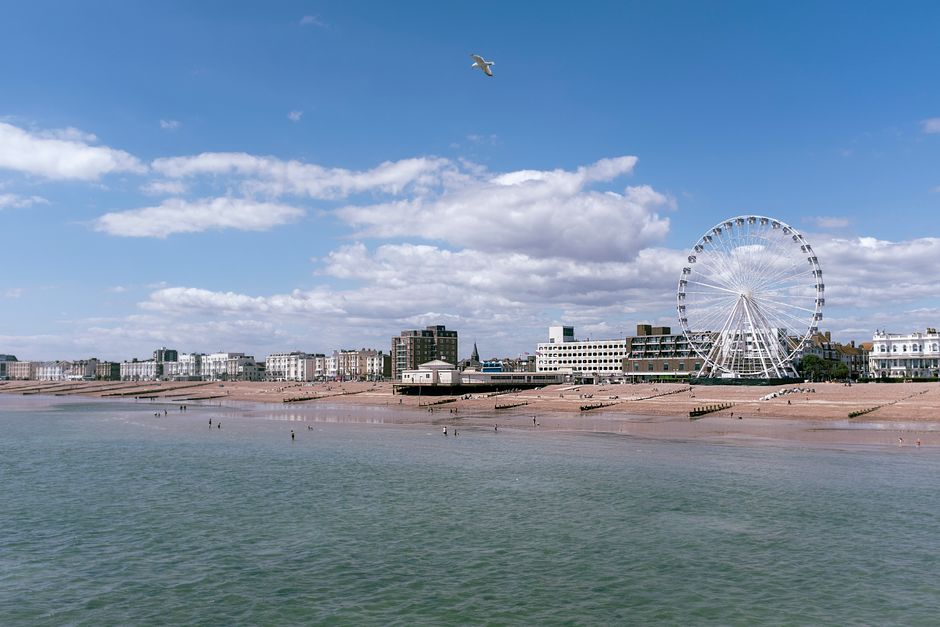
If you start in London or the South East, Brighton is the strongest one-day choice because direct trains reach the coast in as little as 58 minutes, Brighton station is walkable from the seafront, and the city still works when March weather turns cold. You can walk from the station through the Lanes to the Palace Pier, continue along the promenade towards Hove, then replace the outdoor section with the Brighton Museum & Art Gallery, which opens Tuesday to Sunday from 10:00 to 17:00 in its 2026 listing and charges £10.50 for an adult. The beach, pier, Royal Pavilion Gardens, cafes and shopping streets give you several free or low-cost options, so one closed attraction does not wreck the day. Book a direct morning train, leave London after the commuter peak, and keep the afternoon flexible; Brighton has enough indoor depth to absorb a wet forecast without pretending that a March beach is a summer holiday.
Five mistakes that turn a coastal day into a bad return trip
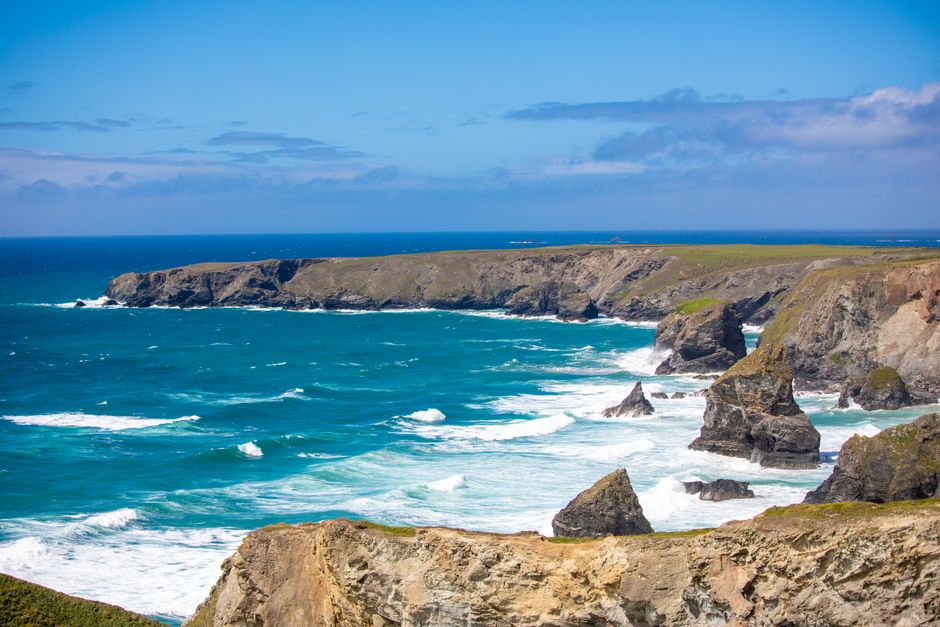
Most failed day trips are not caused by rain. They fail because the plan leaves no room for ordinary friction.
- Choosing the destination before checking the starting station. A route that looks short on a map may require a slow cross-city transfer before the actual train begins. Measure door-to-shore time, not just rail time.
- Trusting a summer itinerary in March. Boat trips, seasonal toilets, beach kiosks and lifeguard services may not operate. Treat every seasonal attraction as an exclusion until its March opening hours are confirmed.
- Planning a cliff walk around the tide. A beach route can disappear under water, while wet steps and chalk paths become slippery. Keep a higher-level promenade or town loop ready.
- Booking the last possible train. A missed connection is more serious when the final service runs hourly. Leave the coast early enough to absorb a delayed train, a slow meal or a long queue.
- Packing for the calendar instead of the forecast. March can bring bright sun, frost, sleet and strong wind within the same week. Wear layers, bring waterproof trousers if the walk matters, and pack food for one delayed connection.
The winning rule is simple: build the day around a 90-minute weather buffer and a return option that does not depend on perfect timing. A shorter walk completed comfortably beats a dramatic route abandoned halfway through.
When Whitstable, Tynemouth or Looe beats Brighton
Brighton is my London-area pick, but it is not the right coast for every starting point or every type of day. Whitstable is better for a food-led outing, Tynemouth is better for a North East base, and Looe is better for a Devon trip where the railway journey forms part of the experience.
Whitstable earns the food-first slot
Southeastern lists London Victoria to Whitstable at about 1 hour 18 minutes on the fastest service, with Anytime Day Single fares starting at £31.30 on its route page. The harbour, working boats, seafood stalls and coastal trail give you a compact plan with very little local transport. Choose Whitstable when you want oysters, a harbour walk and independent shops rather than a long sandy beach. Its weakness is the smaller indoor backup, so a wet forecast should make Brighton the safer pick.
Tynemouth has the strongest North East fallback
Tynemouth Longsands gives you a broad beach, while King Edward’s Bay sits below Tynemouth Priory and Castle. English Heritage lists the priory as open daily from 10:00 to 17:00, with advance booking offering a 15% saving, although maintenance can limit parts of the site. The Metro keeps the trip simple from Newcastle. Choose Tynemouth when you want a beach, history and cafes within one walkable village.
Looe and St Ives need a closer starting point
Looe works from Plymouth because the Looe Valley branch adds scenery without consuming the entire day. Great Western Railway lists the Cornwall Ranger at £17 for an adult and Ride Cornwall at £21, though ticket rules and prices can change. St Ives is the better art-and-beach choice if you are already in Cornwall: the St Ives Bay Line connects St Erth with the town, and Tate St Ives lists March-to-October hours of 10:00 to 17:20 daily. Neither belongs on a London one-day itinerary.
Q&A: how should you book the day?
Is one March day enough for a UK coast trip?
Yes, if the coast is close to a direct route and the waterfront sits near the station. Brighton, Whitstable and Tynemouth all leave enough usable time for a walk, meal and indoor backup. St Ives from London does not: the long mainline journey would leave too little daylight and too much exposure to one delay.
What should you check before buying a ticket?
Check the exact date, engineering work, first and last trains, station transfer time, tide times and attraction opening hours. Compare advance, off-peak, railcard and split-ticket options rather than accepting the first fare shown. If you are driving, compare parking charges with rail cost, but do not assume a car saves time in a busy harbour town. The Southeastern Whitstable route page shows why fares and journey lengths can vary by service.
What is the final recommendation?
For one free March day from London, book Brighton. From Newcastle, take the Metro to Tynemouth. From Plymouth, take the branch line to Looe. If you are already in Cornwall, choose St Ives and pair the beach with Tate St Ives or the town galleries. These choices protect the part of the day you actually care about: time beside the water, with enough margin to get home.
Do insurance-style scores help with this decision?
No. AM Best ratings and J.D. Power scores measure insurance companies and customer experience, not British rail routes. There are no state-specific travel coverage rules that can replace checking a timetable, and travel costs do not behave like premiums that vary by state and individual factors. For this decision, compare multiple fares, confirm exclusions such as seasonal closures, and keep the return practical. That turns the opening question into a clear answer: a single free March day is enough for the coast when Brighton, or the closest equivalent to your home station, does the heavy lifting.