You’re standing in your bedroom at midnight. Your backpack is open on the bed. The camera bag is next to it. You’ve got a 70-200mm f/2.8 lens in one hand, a 50mm prime in the other, and you’re trying to decide if you’ll actually use that drone you bought three years ago.
This is the moment most travel photographers get it wrong. They pack for what they might shoot, not what they will shoot. The result: a 12kg bag that stays in the hotel room because it’s too heavy to carry, or worse — missed shots because the gear you actually need is buried under things you don’t.
This article is a specific, honest kit list. Not a gear fantasy. Not a “bring everything” list from someone who’s never carried a 20-pound bag through a Bangkok market at 3 PM. I’ll tell you what to bring, what to leave home, and why.
The Camera Body Question: Full-Frame vs. APS-C vs. Compact
This is the first fork in the road. Your choice here determines everything else — lens size, bag size, how much you actually shoot.
Full-frame cameras like the Sony A7C ($1,800 body only, 509g) or the Nikon Zf ($1,999, 710g) give you the best image quality in low light. But the lenses are bigger. A 24-70mm f/2.8 for the Sony weighs 695g. That’s 1.2kg for just body and one lens. Add a second lens and you’re at 2kg before you pack a battery.
APS-C cameras like the Fujifilm X-T5 ($1,699, 557g) or the Sony A6700 ($1,398, 493g) are lighter. A Fuji 16-55mm f/2.8 weighs 655g, so body+lens is about the same as the Sony full-frame kit. But the Fuji 23mm f/2 (180g) is tiny. You can carry the X-T5 plus that lens and a 50-140mm f/2.8 (995g) and stay under 1.8kg total.
Compact cameras like the Fujifilm X100V ($1,399, 478g with lens) or the Ricoh GR IIIx ($1,047, 232g) are the lightest option. Fixed lens. No zoom. You move your feet instead. The X100V has a 23mm f/2 lens (35mm equivalent). The Ricoh has a 40mm equivalent f/2.8. Both fit in a jacket pocket.
Here’s the real tradeoff. Full-frame gives you more flexibility in post-processing. You can crop harder. You can shoot at ISO 6400 without noise issues. APS-C is fine for web use and prints up to 16×20 inches. Compact cameras limit you to one focal length — which forces better composition but means you miss shots you can’t walk closer to.
My pick for most travelers: the Sony A7C. It’s the smallest full-frame body on the market. Pair it with the Sony 28-60mm f/4-5.6 kit lens (167g) and you have a 676g setup that fits in a small crossbody bag. The image quality is professional-grade. The size is barely larger than an APS-C camera. You can add one more lens — the Sony 85mm f/1.8 (371g) — and still carry everything in a bag that fits under an airplane seat.
Lenses: Why You Only Need Two (and Which Two)
Most travel photographers pack three to four lenses. They use one. The rest stay in the bag.
The mistake is thinking you need coverage from 16mm to 200mm. You don’t. You need coverage for how you actually see and shoot. Here’s a breakdown of what real travel photographers carry.
The Zoom Option (One Lens to Rule Them All)
A single standard zoom covers 90% of travel situations. The Tamron 28-200mm f/2.8-5.6 ($749, 575g) for Sony E-mount is the best option here. At 28mm and f/2.8, it handles low-light interiors. At 200mm and f/5.6, it gets you close to architecture details and street portraits. One lens, no swapping, no dust on the sensor.
The downside: f/5.6 at the long end means you’re pushing ISO higher in dim light. And 28mm isn’t wide enough for tight interiors or dramatic landscape foregrounds.
The Two-Lens Kit
This is the sweet spot. Two lenses that cover different needs without overlap.
| Lens 1 | Lens 2 | Best For | Total Weight |
|---|---|---|---|
| Sony 16-35mm f/4 PZ (353g) | Sony 85mm f/1.8 (371g) | Landscapes + portraits | 724g |
| Fuji 16-55mm f/2.8 (655g) | Fuji 50-140mm f/2.8 (995g) | All-round + wildlife | 1,650g |
| Nikon 24-70mm f/4 S (500g) | Nikon 50mm f/1.8 S (415g) | Walkaround + low-light | 915g |
The 16-35mm + 85mm combo is my recommendation for most destinations. The wide zoom handles cityscapes, architecture, and environmental portraits. The 85mm gives you shallow depth of field for portraits and detail shots. No overlap. No wasted weight.
When to Bring a Third Lens
Only if you’re shooting something specific. Wildlife trip? Add a 100-400mm. Astrophotography? Add a 20mm f/1.8. Otherwise, leave the third lens home. It will not get used.
Support Systems: Tripods, Monopods, and Why Most Are a Waste
I’ve carried a Manfrotto 055 tripod through five countries. I used it exactly twice. It weighed 2.5kg. I hated every minute.
Most travelers do not need a full-size tripod. Here’s when you actually do: long exposures at dawn/dusk, astrophotography, self-portraits, or video work. If you’re not doing those things, a tripod is dead weight.
For the 90% who don’t need a tripod: Get a Peak Design Travel Tripod ($599.95, 1.27kg). It folds to 39cm — small enough to strap to the side of a backpack. It extends to 152cm. The carbon fiber version (1.27kg) is worth the extra money over the aluminum version (1.56kg). You will actually bring it because it fits in a water bottle pocket.
For the 10% who shoot astro or long exposures: The Gitzo GT1545T Series 1 Traveler ($729, 1.04kg) is lighter and more stable than the Peak Design. But it costs more and doesn’t fold as flat. Choose based on whether weight or packability matters more.
For everyone else: A GorillaPod 3K ($69.95, 390g) is enough. Wrap it around a railing, a tree branch, or a chair. It holds a mirrorless camera with a standard zoom. It won’t hold a 70-200mm in wind. But you’re not shooting in wind with a 70-200mm on a GorillaPod — you’re using it for a 15-second exposure of a temple interior. It works.
The failure mode here is buying a $99 tripod from Amazon. Those have plastic leg locks that strip after three uses. They wobble. They break. You will replace it within a year. Spend $70-100 on a GorillaPod or $600+ on a Peak Design. There is no good middle ground.
Accessories That Matter (and Ones That Don’t)
Accessories are where kit lists go off the rails. People pack three filters, a wired shutter release, a flash, a battery grip, and a lens cleaning kit. Most of this stays in the bag.
What to Actually Pack
Memory cards: Two 128GB SanDisk Extreme Pro cards ($34.99 each on Amazon). One in the camera. One in your pocket. If you lose one, you have a backup. Do not buy generic cards. They corrupt. I’ve lost entire shoots to a $15 card that looked like a deal.
Batteries: Three total. One in the camera. Two in a small pouch. For Sony cameras, the NP-FZ100 ($79.99 each) is the standard. Generic third-party batteries from Wasabi Power ($29.99 for two) work fine — just don’t expect them to last as long. Label them with tape so you know which is which.
A small cleaning kit: A LensPen ($12.95) and a microfiber cloth. That’s it. Do not bring liquid cleaner or a blower — they take up space and you’ll rarely use them. The LensPen handles 95% of smudges and dust.
A filter: One circular polarizer in your most-used lens thread size. For the Sony 28-60mm, that’s 40.5mm. A polarizer cuts reflections on water and glass, and saturates skies. It’s the only filter that actually changes your image in a way you can’t replicate in post. Leave the UV filter at home — modern lenses are tough enough, and a UV filter adds glare and reduces sharpness.
What to Leave Home
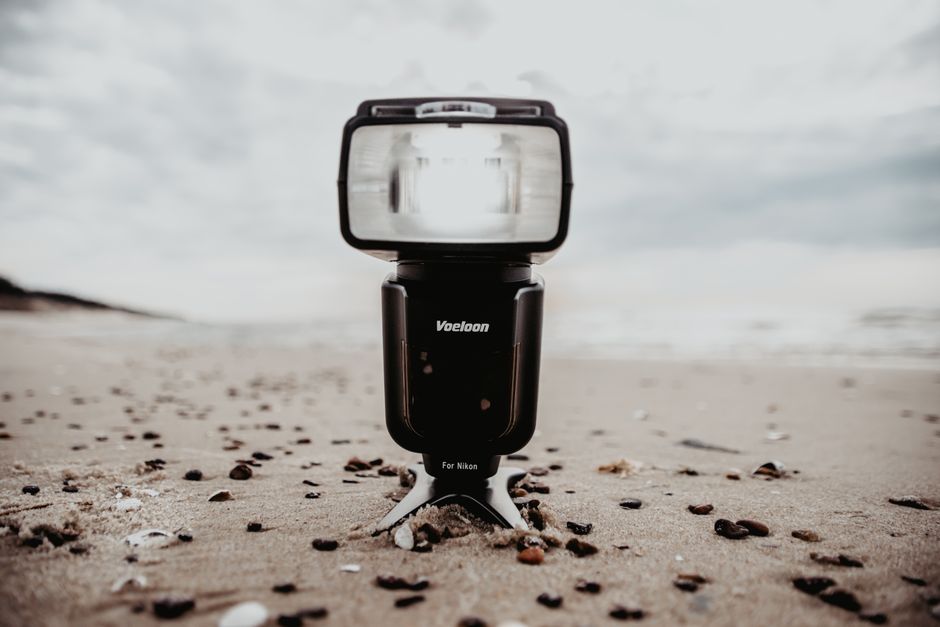
Flash: Unless you’re shooting events or portraits at night, leave it. The built-in flash on most cameras or a small LED panel like the Lume Cube Panel Mini ($49.95) is more useful and smaller.
Wired shutter release: Most modern cameras have a 2-second timer or an app. The Sony Imaging Edge app works well enough for long exposures. A wired release is one more thing to lose.
Lens filters beyond the polarizer: Graduated ND filters are obsolete for most shooters. You can bracket exposures in-camera and merge in Lightroom. Variable ND filters introduce color casts and uneven darkening. Skip them.
A second camera body: Unless you’re a professional being paid for a wedding, you do not need a backup body. One camera, two lenses, three batteries. That’s the kit.
Bag Strategy: How to Carry It All Without Hating Your Life
The best gear in the world is worthless if you don’t bring it because the bag is uncomfortable. Bag choice is the most underrated decision in travel photography.
For a one-bag setup (camera + clothes): The Peak Design Everyday Backpack 30L ($299.95) or the Wandrd PRVKE 31L ($299). Both have camera cubes that can be removed when you don’t need camera gear. Both have clamshell openings so you don’t have to dig through the top. Both fit under most airplane seats when not fully packed.
For a separate camera bag: The Peak Design Everyday Sling 6L ($109.95) holds a camera body with a lens attached, one extra lens, and a small pouch for batteries and cards. It fits across your chest under a jacket. It’s accessible without taking it off. For city photography, this is the best option — you keep your hands free and your camera protected.
For hiking or long days: A camera insert like the Tenba BYOB 9 ($44.95) inside a regular backpack. This is the lightest option. You get the comfort of a hiking backpack (better straps, better ventilation) with the protection of a padded camera compartment. The Tenba insert holds a body with a 24-70mm attached plus one extra lens.
The common mistake is buying a dedicated camera backpack that’s too small for clothes or too uncomfortable for walking. If your camera bag is also your only bag, make sure it has a hip belt for weight distribution. The Lowepro Whistler 350 AW ($279.95) is one of the few camera backpacks with a proper hip belt. It’s overkill for city trips but ideal for trekking.
One last thing: pack your bag the night before. Put the camera body on the bottom, lens on top. Batteries in a side pocket. Cards in your jacket. This way you grab the bag and go in the morning. You don’t repack at the airport. You don’t forget the memory card. You just walk out the door and start shooting.