You’ve booked your flights. You’ve got a rough itinerary: Colombo, Kandy, the Hill Country, maybe Yala for the leopards. Then someone at work says, “Did you get your shots?” And suddenly you’re Googling “travel vaccines Sri Lanka” at midnight wondering if you need yellow fever for a country that doesn’t even have yellow fever.
I’ve been twice. Once in 2026 for three weeks, once in early 2026 for a full month. I made mistakes the first time — overpaid for vaccines I didn’t need, skipped one I absolutely should have had. This is what I learned.
What Sri Lanka Actually Requires at the Border
Let’s kill the biggest source of confusion first. Sri Lanka does not require most travelers to show proof of vaccination upon arrival. There is exactly one exception: yellow fever.
If you’re flying in from a country with yellow fever transmission — that’s most of sub-Saharan Africa and parts of South America — you need to show a valid International Certificate of Vaccination (the yellow card). If you’re coming from the US, UK, Europe, Australia, or most of Asia, you won’t be asked for it. I wasn’t. Nobody I traveled with was.
Here’s the full breakdown of what’s mandatory vs. what’s recommended:
| Vaccine | Mandatory for Entry? | My Recommendation |
|---|---|---|
| Yellow Fever | Only if arriving from an endemic country | Skip if you’re coming direct from US/Europe/Australia |
| Hepatitis A | No | Get it. 2 shots, 6 months apart. Worth every dollar. |
| Typhoid | No | Get it if you’re eating street food or staying in rural areas. |
| Japanese Encephalitis | No | Only if you’re spending a month+ in rice farming regions. |
| Rabies | No | Seriously consider it if you’re around dogs or doing outdoor activities. |
| Tetanus | No | Make sure your booster is up to date. Cheap and easy. |
The border officers in Colombo didn’t even look at my vaccine card. They care about your visa (ETA), your passport validity (6 months), and your onward ticket. That’s it.
Hepatitis A and Typhoid: The Two You Shouldn’t Skip
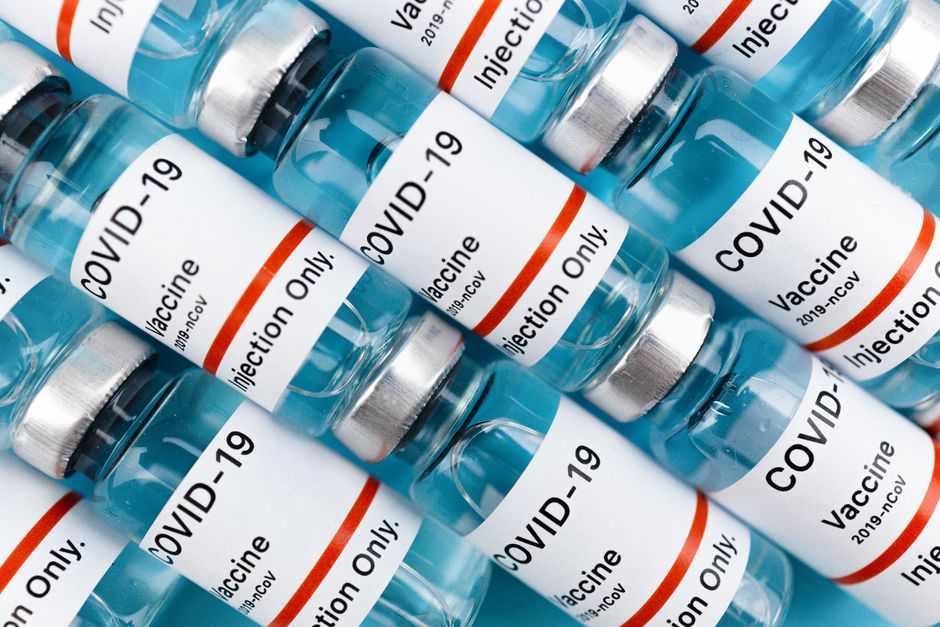
I’ll be direct: if you only get two vaccines for Sri Lanka, make it Hepatitis A and Typhoid. Here’s why.
Hepatitis A spreads through contaminated food and water. In Sri Lanka, tap water isn’t safe for drinking. Ice in restaurants? Usually made from filtered water in tourist areas, but not always. Street food? Absolutely worth eating — the kottu roti in Jaffna is life-changing — but you’re taking a risk without the shot. The vaccine is two doses, six months apart. The first dose protects you within two weeks. The second dose gives you coverage for 20+ years. I paid $85 per dose at a travel clinic in New York. Worth it.
Typhoid is also food- and water-borne. Symptoms include sustained high fever, stomach pain, and constipation or diarrhea. Not how you want to spend your time in Ella. The vaccine comes in two forms: an injectable (one shot, lasts 2 years) and oral capsules (four pills over a week, lasts 5 years). I took the oral version — Vivotif — because I hate needles. Cost me $120 for the full course. The oral version is convenient but you have to store the capsules in the fridge. If you’re backpacking and won’t have reliable refrigeration, get the shot instead.
One thing nobody told me: the typhoid vaccine isn’t 100% effective. The oral version is about 50-80% protective depending on the study. The injectable is similar. So you still need to be careful about what you eat and drink. But getting the vaccine drops your risk significantly, and that’s good enough for me.
Japanese Encephalitis: Only for Specific Travelers
This is the vaccine most travel clinics push hard, and most travelers don’t actually need. Japanese Encephalitis (JE) is a mosquito-borne virus that’s present in rural Sri Lanka, especially in rice paddies and pig farming areas. The disease is rare — about 1 in 1 million travelers get it — but when you do get it, the fatality rate is around 30%, and survivors often have permanent neurological damage.
Here’s my rule of thumb. Get the JE vaccine if:
- You’re staying in Sri Lanka for a month or longer, and
- You’ll be spending significant time in rural agricultural areas (Anuradhapura, Polonnaruwa, the eastern rice regions), and
- You’re sleeping in budget guesthouses without mosquito nets or AC.
Skip it if you’re doing the standard tourist route: Colombo, Kandy, Nuwara Eliya, Ella, Galle. These areas have lower JE transmission, and if you’re using mosquito repellent (you should be anyway), your risk is minimal.
I skipped JE on my first trip. Didn’t get it on my second trip either. I spent most of my time in the Hill Country and the south coast, and I was religious about DEET-based repellent. No regrets. But if you’re planning to volunteer on a farm or do a homestay in a remote village, get the shot. It’s two doses, 28 days apart, and costs around $300-$400 in the US. Not cheap. But neither is a hospital stay in Colombo.
Rabies: The One Vaccine That’s More About Peace of Mind
Sri Lanka has a stray dog problem. You’ll see them everywhere — sleeping on the beach in Mirissa, wandering through the streets of Kandy, guarding the temples in Anuradhapura. Most are harmless. Some are not. The country reports about 20-30 human rabies deaths per year, mostly in rural areas.
The rabies vaccine is unusual. It doesn’t prevent infection. It buys you time. If you’re vaccinated and get bitten, you still need two booster shots (on days 0 and 3) instead of the full post-exposure regimen (which involves rabies immunoglobulin injected directly into the wound plus four shots over 14 days). The immunoglobulin is expensive — $1,000+ per dose — and can be hard to find outside Colombo.
I got the rabies vaccine before my second trip. Three shots over three weeks. Cost $650 total. Why? Because I planned to hike in Sinharaja Forest Reserve and camp near Horton Plains. The risk of a bat or a dog encounter was real, and I didn’t want to spend my trip worrying about it.
Here’s the thing most travel clinics won’t tell you: if you’re sticking to hotels, restaurants, and organized tours, your rabies risk is near zero. The vaccine makes sense for backpackers, trekkers, cyclists, and anyone who’ll be in close contact with animals. If you’re a resort tourist staying in Bentota, skip it. Save the $650 for a safari in Yala.
Malaria, Dengue, and the Mosquito Problem
None of these have vaccines that are widely available. Let’s be clear about what exists and what doesn’t.
Malaria. Sri Lanka was declared malaria-free by the WHO in 2016. There is no local transmission. You do not need malaria prophylaxis. Full stop. If a travel clinic tries to sell you Malarone or doxycycline for Sri Lanka, they’re either uninformed or trying to upsell you. I took nothing. Had zero issues.
Dengue. This is the real threat. Dengue is endemic in Sri Lanka, especially during the monsoon seasons (May-August and October-January). There’s a dengue vaccine — Dengvaxia — but it’s only recommended for people who’ve already had dengue. For first-time travelers, the vaccine can actually increase the risk of severe disease if you get infected later. The WHO and CDC do not recommend it for most travelers.
So what do you do? You prevent mosquito bites. I used the OFF! Deep Woods Insect Repellent (25% DEET) every evening. I slept under a mosquito net in budget guesthouses. I wore long sleeves and pants after sunset. That’s it. No vaccine, no pills, no drama.
Chikungunya and Zika are also present in Sri Lanka but less common. Same prevention strategy applies. Mosquito repellent, nets, and covering up. I didn’t meet a single traveler who caught either one.
How to Actually Get Your Vaccines Without Wasting Money
Most people walk into a travel clinic and say “I need everything for Sri Lanka.” That’s how you end up paying $1,200 for vaccines you don’t need. Here’s a better approach.
Step one: check what you already have. Your routine vaccines — MMR (measles, mumps, rubella), polio, tetanus/diphtheria/pertussis — should be up to date. Tetanus is the one that matters most in Sri Lanka because of the stray dogs and the risk of cuts and scrapes. If your last tetanus booster was more than 10 years ago, get a new one. It’s $30-$50 at a pharmacy or clinic.
Step two: prioritize. For a 2-week trip doing the classic tourist circuit, you need Hepatitis A and Typhoid. That’s it. For a month-long trip with rural travel, add Rabies and consider Japanese Encephalitis. For anything longer than 6 weeks in agricultural areas, get JE.
Step three: shop around. Travel clinics in major cities charge a premium. A CVS MinuteClinic charges $85 for Hepatitis A. A dedicated travel clinic in Manhattan charges $150 for the same shot. Check your insurance — some plans cover travel vaccines. I have a high-deductible plan, so I paid out of pocket, but I found a county health department that charged $60 per shot. Call around.
Step four: timing matters. Hepatitis A needs 2 weeks to work. Rabies is 3 shots over 3 weeks. JE is 2 shots over 28 days. Start the process at least 6 weeks before you leave. I started 8 weeks out and had no issues.
What I’d Do Differently Next Time
If I went back to Sri Lanka tomorrow — and I probably will — here’s exactly what I’d get and what I’d skip.
Get: Hepatitis A (both doses), Typhoid (oral Vivotif, because I have a fridge), Tetanus booster (mine was 9 years old, so I’d push it to 10), and Rabies (only if I’m doing rural trekking again).
Skip: Yellow fever (coming from the US), Japanese Encephalitis (sticking to the tourist route), Malaria pills (not needed), Dengue vaccine (not recommended for first-time travelers).
Total cost for my next trip: about $350. That’s $85 for Hep A dose 1, $120 for Vivotif, $30 for a tetanus shot at a pharmacy, and $115 for Rabies (I found a county clinic that charges less than the private ones).
The first time I went, I spent $900 on vaccines I didn’t need because I didn’t ask the right questions. I got the JE shot even though I spent zero time in rice paddies. I got the yellow fever vaccine even though I was flying direct from New York. I paid $200 for a consultation fee at a travel clinic that basically read the CDC page out loud to me.
Don’t make that mistake. Go in with a plan. Know what you actually need. Sri Lanka is an incredible country — the tea plantations in Haputale, the ancient cities in the Cultural Triangle, the beaches on the south coast. Don’t let vaccine anxiety ruin the prep. Get the right shots, pack your DEET, and go.