Most people think solo travel anxiety comes from fear of the unknown. That’s only half right. The real problem? You’re carrying a backpack full of imagined catastrophes — getting lost, getting sick, getting robbed, getting lonely — and you’ve never tested a single one against reality.
I spent six months before my first solo trip to Japan running mental disaster drills. Every night I’d lie awake calculating worst-case scenarios. Then I went. Two weeks later, I came back a different person. Not because Japan is magic (though it helps). Because I finally had data instead of fear.
Here’s what I learned, broken down into five sections that actually answer the questions you’re asking right now.
Why Japan Is a Low-Risk Testing Ground for Solo Travel Anxiety
Japan ranks as the safest country in the world on the Global Peace Index for 2026. Violent crime against tourists is statistically negligible. Pickpocketing exists but is rarer than in Paris or Rome by a factor of roughly 10:1 according to Japan National Tourism Organization data.
But safety stats only matter if you can get around, eat, and sleep without panic.
The infrastructure removes most failure points
Train stations have English signage. Convenience stores sell hot meals 24/7. Public restrooms are clean and free. You can survive your first 48 hours in Japan without speaking a single word of Japanese. That’s not true for most countries.
Google Maps works flawlessly for transit. Plug in your destination and it tells you which platform, which car, which exit. I bought a prepaid data SIM at the airport for about $35 for 14 days — enough to never be lost. The Suica card ($3 deposit, reloadable at any station) eliminates fumbling with cash for trains.
What I actually worried about vs. what happened
| Worry | Reality |
|---|---|
| Getting lost in Tokyo subway | Google Maps + English signs = never lost once |
| Not finding a place to eat alone | Every ramen shop has counter seating; solo diners are normal |
| Being lonely for two weeks | Hostel common rooms, walking tours, and temple gardens filled the gap |
| Medical emergency | Travel insurance covered a clinic visit for $0 out-of-pocket |
The gap between imagined risk and actual risk was enormous. That’s the first lesson: fear fills the space where data should live.
How I Structured My First Solo Trip to Minimize Panic
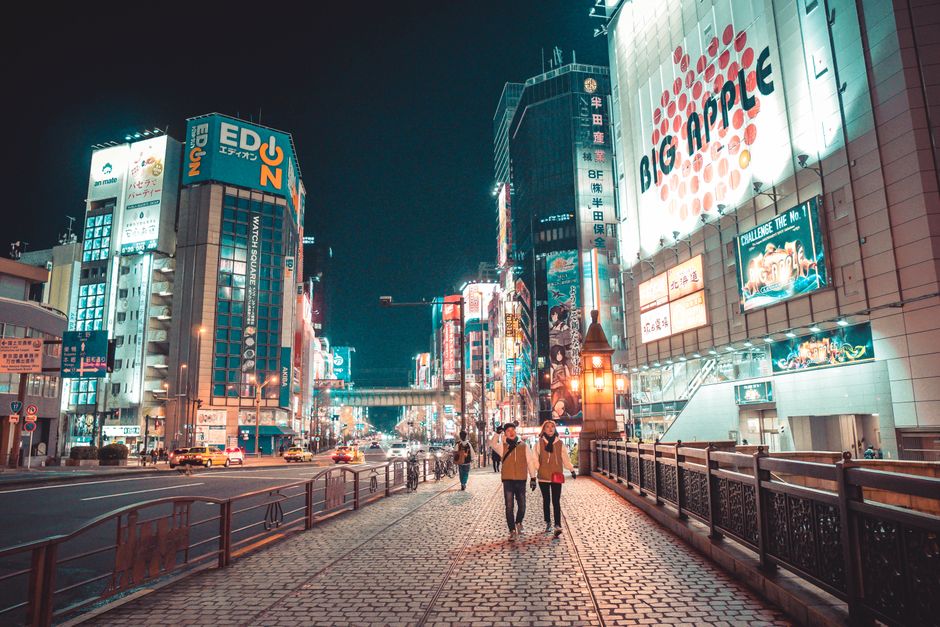
I didn’t wing it. I built a skeleton itinerary with three fixed anchor points and left the rest flexible. This is the single most effective strategy for solo travel anxiety because it gives you structure without suffocating spontaneity.
Anchor 1: First 48 hours in Tokyo. I booked a capsule hotel near Shinjuku Station for two nights. Capsule hotels are cheap ($30-50/night), private enough for sleep, and force you to leave the room during the day (no hiding). The location meant I could walk to Shinjuku Gyoen garden, the Tokyo Metropolitan Government Building observation deck (free), and Golden Gai for dinner — all within 15 minutes.
Anchor 2: Mid-trip reset in Kyoto. After four days in Tokyo, I took the Shinkansen to Kyoto (2.5 hours, roughly $130 with a reserved seat). I booked a ryokan (traditional inn) for one night as a splurge — $180 including dinner and breakfast. That single night of tatami mats, onsen, and kaiseki cuisine reset my mental state completely.
Anchor 3: Final three days in Osaka. Osaka is less overwhelming than Tokyo. I stayed in a private room at a guesthouse near Dotonbori for $60/night. The food scene is legendary and solo-friendly — takoyaki stalls, okonomiyaki counters, conveyor-belt sushi.
Between anchors, I had blank days. Some I filled with temples. Some I spent sitting in parks watching people. Having permission to do nothing was crucial.
What Nobody Tells You About Solo Travel Anxiety (The Real Fix)
Here’s the part that surprised me most: the anxiety didn’t disappear. It transformed.
Day one in Tokyo, I walked out of Shinjuku Station and froze. 3 million people per day flow through that station. My brain went into threat-detection overdrive. But instead of running back to the hotel, I stood still for 30 seconds, located a convenience store across the street, and bought a bottle of green tea. That’s it. One small, concrete action.
The pattern repeated for the first three days: anxiety spike → small action → calm. By day four, the spikes were shorter. By day seven, they barely registered.
The real fix is exposure with a safety rope. You don’t jump into the deep end. You wade in with a plan, a backup plan, and a way to retreat. My safety rope was a pre-purchased JR Rail Pass ($340 for 14 days). Knowing I could get on any JR train and return to Tokyo at any moment removed the feeling of being trapped.
Most travel anxiety advice tells you to “just be brave.” That’s useless. What works is building a system where failure is inconvenient, not catastrophic.
Budget Breakdown: What a Solo Trip to Japan Actually Costs
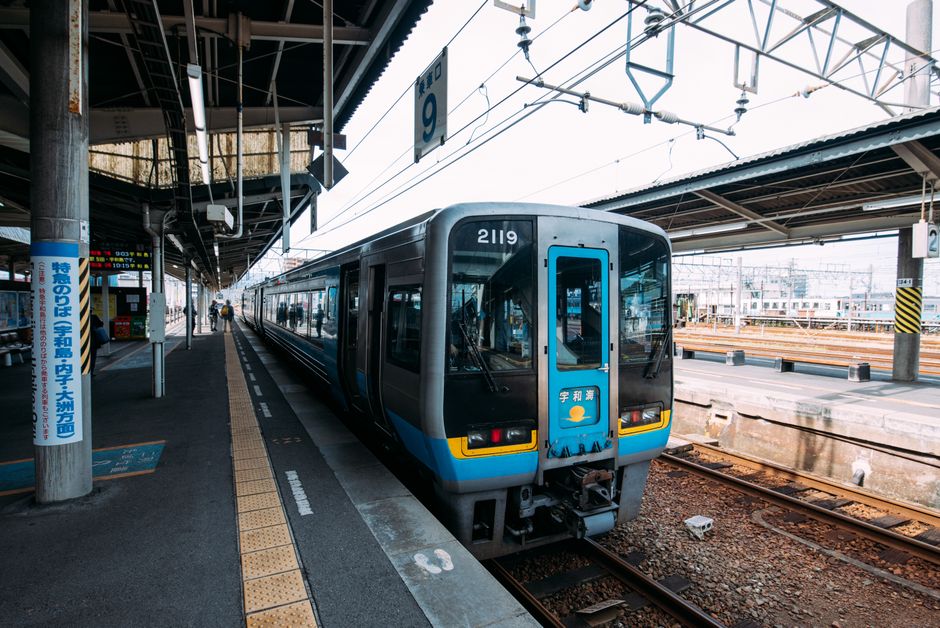
Let me kill the myth that Japan is unaffordable for solo travelers. I spent $2,100 for 14 days including flights from the US West Coast. Here’s the real breakdown:
| Category | Cost | Notes |
|---|---|---|
| Round-trip flight | $680 | Zipair Tokyo, basic fare + one checked bag |
| Accommodation (13 nights) | $620 | Mix of capsule hotels, hostels, one ryokan |
| JR Rail Pass (14-day) | $340 | Covers all Shinkansen and JR local trains |
| Food | $350 | $25/day average — convenience store breakfasts, ramen lunches, one nice dinner |
| Activities & entry fees | $110 | Temples, museums, one guided walking tour ($30) |
Two things kept costs low: eating at convenience stores for breakfast and lunch (onigiri, egg sandwiches, fruit — all under $5), and walking instead of taking taxis. I walked an average of 18,000 steps per day.
One mistake I made: I didn’t buy travel insurance until the night before departure. I got a basic policy for $45 that covered medical evacuation up to $100,000. If you have pre-existing conditions, check the exclusion list carefully — most budget policies exclude them. AM Best-rated insurers like World Nomads and SafetyWing offer better coverage for adventure activities but cost 20-30% more.
When Solo Travel to Japan Is a Bad Idea (And What to Do Instead)
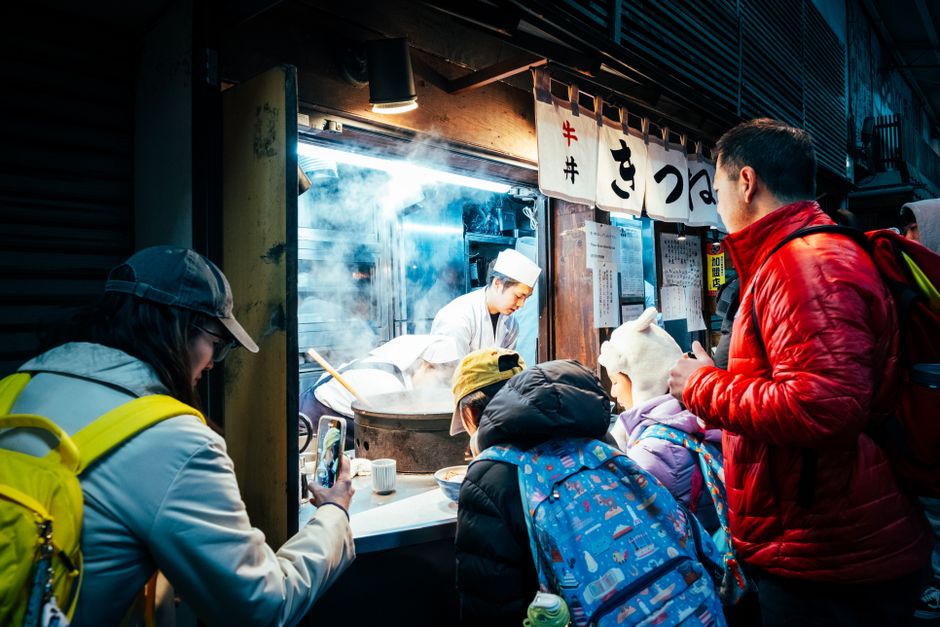
This section exists because I almost didn’t go. And for some people, not going is the right call.
You should NOT go solo to Japan if:
- You have untreated panic disorder that requires immediate medical intervention without a support person
- You cannot handle being alone with your thoughts for more than 4 hours without spiraling
- You expect a group-tour experience where someone else handles every decision
For those cases, a structured group tour (like Intrepid Travel or G Adventures) is a better first step. You get the destination, the solo-ish experience, and a guide who handles logistics. The cost is higher ($2,500-3,500 for 14 days) but the anxiety reduction is significant.
Another alternative: Start with a shorter solo trip closer to home. A weekend in a nearby city where you speak the language. Test the solo travel skills — navigating, eating alone, managing boredom — before committing to a $2,000 trip to East Asia.
I met a woman in my Kyoto hostel who had done exactly that. She spent three weekends solo in Seattle before booking Japan. She said the anxiety was identical each time — only the backdrop changed.
The single most important takeaway: solo travel anxiety isn’t eliminated by courage. It’s eliminated by evidence — and Japan gives you more evidence that you’ll be fine than almost any other destination on earth.