The common misconception is that February automatically means quiet temples across Asia. It does not. February brings cooler mornings, dry-season weather in several destinations, and a large wave of winter travelers. The real advantage comes from arriving before the first tour buses, choosing the right entrance, and knowing which temples reward silence more than a famous sunrise photograph.
These five strategies work across Cambodia, Indonesia, Japan, Thailand, Myanmar, and similar destinations. They focus on timing, access rules, transport, respectful behavior, and the moments when a popular temple feels calm rather than staged.
1. Pick the right February temple morning, not just the famous temple
Why the first hour matters
Tour groups rarely appear at the exact moment a temple opens. They need breakfast, coach parking, ticket checks, and a guide briefing. That delay creates the most useful window of the day: usually the first 45 to 90 minutes after opening. At Angkor Wat, for example, the Angkor Archaeological Park allows entry from 5:00 AM and closes at 6:30 PM.
February also changes the light. In mainland Southeast Asia, sunrise often arrives around 6:00 to 6:30 AM, but the exact time shifts by location and date. Arrive early enough to pass the gate before the sky brightens. A 5:00 AM ticket does not mean you should reach the parking area at 5:00 AM; reach the checkpoint 20 to 30 minutes earlier.
Five strong choices for early arrivals
- Angkor Wat, Cambodia: Best for travelers who want a dramatic first stop and enough daylight for several nearby temples.
- Borobudur, Indonesia: Best for a controlled sunrise experience with limited capacity. The official Borobudur Sunrise Ticket lists a 4:00 AM start, recommends arrival 30 to 45 minutes early, and limits the experience to 100 people per day. The international price listed by the official ticket site is IDR 1,000,000.
- Fushimi Inari Taisha, Japan: Best for independent walkers. The shrine grounds remain accessible early, and the uphill torii path spreads visitors out more effectively than a single viewing platform.
- Wat Pho, Thailand: Best for combining a temple visit with Bangkok’s early riverside activity. Go when the compound opens, then leave before the Grand Palace area fills.
- Bagan, Myanmar: Best for a broad archaeological landscape rather than one single monument. Confirm current access rules locally because sunrise viewpoints and monument climbing policies can change.
My clear pick for the easiest first-time plan is Angkor Wat if you can start before 5:30 AM. Pick Borobudur if you want a scheduled, limited-capacity sunrise and do not mind paying more for structure.
2. Compare the arrival windows before you book transport
The quietest temple is often the one you can reach without a complicated transfer. A theoretically perfect sunrise becomes a bad plan when a hotel shuttle, ferry, or mountain road adds uncertainty. Use the table as a starting point, then confirm the local calendar and access rules a few days before travel.
The practical winner
For a simple schedule, choose Fushimi Inari. You do not need a sunrise ticket, a private driver, or a complicated route. For a high-reward sunrise, choose Borobudur, but book the official ticket first and build the entire morning around its 4:00 AM start.
Use official access information
Check the Angkor Enterprise ticket page for current passes and hours, and use the official Borobudur Sunrise Ticket page for capacity, arrival instructions, and included services. These details matter more than an old blog post because temples adjust entry systems, routes, and restricted areas.
4. Build the morning around movement, weather, and temple etiquette
Use a three-stage route
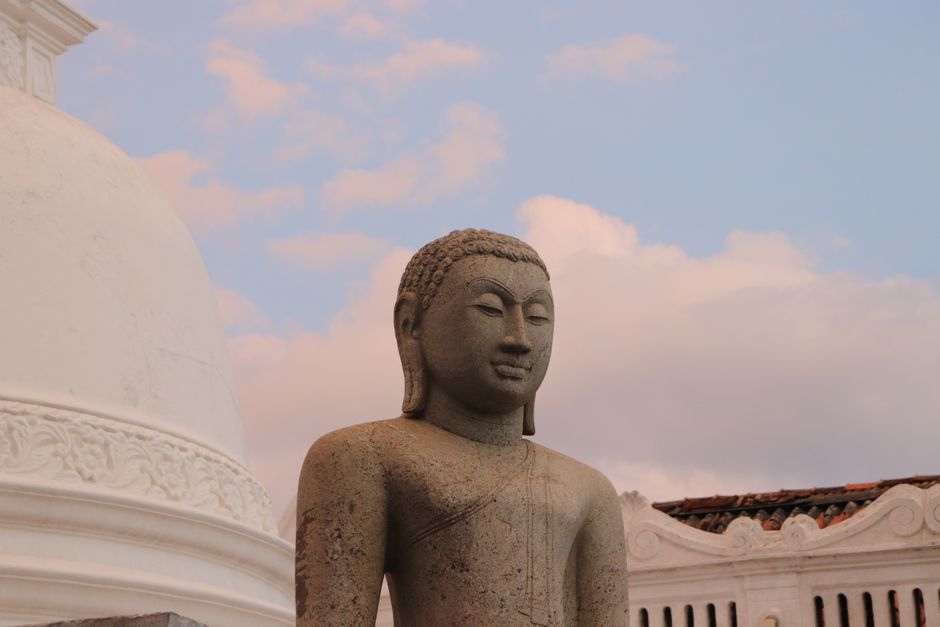
A good temple morning has three stages. First, reach the gate before the public rush. Second, spend 45 to 90 minutes at the main shrine or monument while the air remains cool. Third, leave the busiest photo area and visit a secondary structure before breakfast. This rhythm keeps the morning from becoming a long wait for a single view.
At Angkor Wat, you can watch the sky brighten, inspect the galleries, and then continue toward Bayon or Ta Prohm before many small-group tours finish their first stop. At Borobudur, the organized sunrise format already controls the route, so use the included guide and breakfast rather than trying to leave early for a second sunrise location. The Manohara Restaurant breakfast appears as part of the international Borobudur Sunrise Ticket listing, which makes the higher price easier to judge: you are paying for access, limited capacity, a guide, sandals, a flashlight, and breakfast, not only for a ticket.
Prepare for February conditions
- Carry one warm layer for pre-dawn departures. February mornings can feel cold in Kyoto and on elevated temple grounds even when the afternoon feels mild.
- Wear shoes with grip. Stone steps collect dew, and temple paths may include uneven paving, roots, or steep climbs.
- Bring a small flashlight for dark paths, but keep the beam pointed down and use your phone quietly inside worship areas.
- Pack water and a small snack when local rules allow it. Food stalls may not open before the first visitors arrive.
- Use a compact bag. Large backpacks slow security checks and create problems in narrow corridors.
- Cover shoulders and knees where local rules require it. A scarf or lightweight overshirt solves this without taking much space.
February weather can also create false confidence. Dry-season skies may look perfect, yet morning haze can soften the view. At Borobudur, mist may hide distant volcanoes. At Angkor, low cloud can flatten the sunrise. That does not ruin the visit; it changes the best activity from landscape photography to stone detail, carvings, and quiet observation.
Respect the place before the photograph
Do not climb closed walls, block a worshipper, touch carvings, or use a tripod in a narrow passage. Temple staff and residents notice behavior long before they notice your camera model. At Fushimi Inari, step aside before stopping beneath a torii gate, and avoid treating active offerings or prayer areas as props. The official Kyoto tourism guidance also recommends visiting Fushimi Inari early because the site becomes busy later; its early-morning Kyoto advice supports the basic plan.
5. Avoid these five mistakes when planning a pre-tour-group morning
Mistake one: treating sunrise as the only goal
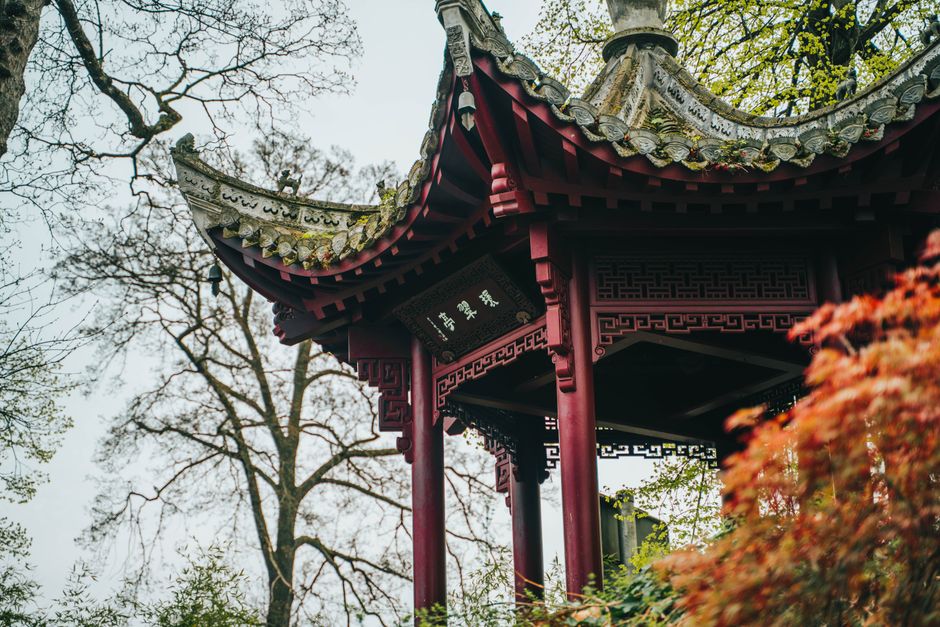
- Choosing a famous sunrise without checking access. Some temples restrict upper terraces, monument climbing, or particular viewpoints. Choose a destination with a confirmed early-entry system, not only a beautiful image in a search result.
- Arriving at opening time after a long transfer. A 4:00 AM ticket is useless if your driver arrives at 4:10. Stay nearby the night before, prearrange transport, and add at least 30 minutes for gates and ticket checks.
- Planning too many temples. Three major sites before lunch sounds efficient but usually produces rushed visits and missed transport. Two substantial temples plus one flexible stop makes a better February morning.
- Ignoring festivals and weekends. Fushimi Inari can become busy during religious events, and popular Cambodian routes fill faster on weekends. Check the local calendar and shift by one day when a major ceremony is scheduled.
- Buying access from an unofficial seller. Use the official Angkor Enterprise channel for Angkor passes and the official Borobudur ticket system for its sunrise experience. A cheap third-party promise is not a bargain if staff reject the ticket at the gate.
When not to choose the sunrise option
Do not buy a pre-dawn ticket if your trip includes a small child who cannot handle a 3:00 AM departure, if you have mobility limits that the route does not support, or if you will arrive exhausted after an overnight flight. Choose a later opening instead and visit a smaller temple first. For Kyoto, that may mean entering Fushimi Inari after the early rush has moved uphill, then exploring nearby streets before lunch. For Bangkok, an opening-time visit to Wat Pho may fit better than forcing a dark hotel departure.
The strongest plan is not the earliest possible alarm. It is the earliest arrival you can execute calmly, with valid access, suitable clothing, and enough time to look beyond the famous first photograph. That is when February temple travel starts to feel spacious.