The common misconception is that April requires a separate outfit for every possible weather change. It does not. The stronger rule is to pack a small set of layers that can handle cool mornings, mild afternoons, rain, heated trains, and long walks without filling an entire suitcase.
April weather varies sharply between Lisbon, Paris, Prague, Rome, and the Scottish Highlands. That makes a fixed city-by-city checklist less useful than a repeatable system. The goal is not to predict every forecast. The goal is to make each item earn its space.
What belongs in an April Europe packing list?
Pack for a seven-day laundry cycle, not the length of the trip. Most travelers can reduce the just-in-case pile by separating essential functions from imagined emergencies. You need clothes that layer, dry within a day, and work in more than one setting. You do not need a different outfit for every dinner, museum, train, and weather pattern.
Start with a seven-day core
For a week in Europe, begin with five tops, three bottoms, seven pairs of underwear, five pairs of socks, one sleep set, one warm layer, one rain layer, and one pair of walking shoes. Wear the bulkiest items during transit. If the trip lasts ten or fourteen days, add one laundry stop rather than doubling the clothing count.
Choose one neutral color family, then add one accent color. This simple limit lets every top work with at least two bottoms. A dark trouser, straight-leg jean, or travel pant usually handles city walks and casual restaurants better than a second pair of formal clothes.
Use a replacement rule instead of a backup pile
Each item should replace another item or solve a clear problem. A thin long-sleeve shirt can work as a base layer, sleep top, and modesty layer. A scarf can add warmth on a train and cover shoulders at religious sites. A compact tote can hold groceries, a scarf, or a jacket after the sun comes out.
| Category | Pack | Reason |
|---|---|---|
| Tops | 3 short-sleeve, 2 long-sleeve | Works across mild afternoons and cool mornings |
| Bottoms | 2 pairs | Enough variety without adding bulk |
| Warmth | 1 fleece, cardigan, or light down layer | Useful on trains, evenings, and northern routes |
| Rain | 1 waterproof shell or compact umbrella | Protects the rest of the outfit |
| Shoes | 1 walking pair, optional flat pair | Limits weight and duplicate footwear |
| Accessories | Scarf, sunglasses, cap | Handles temperature and sun changes |
That list leaves room for a small amount of personal style. It also creates a hard boundary. If an item has no clear job, leave it home.
How should you layer for April rain and cold trains?
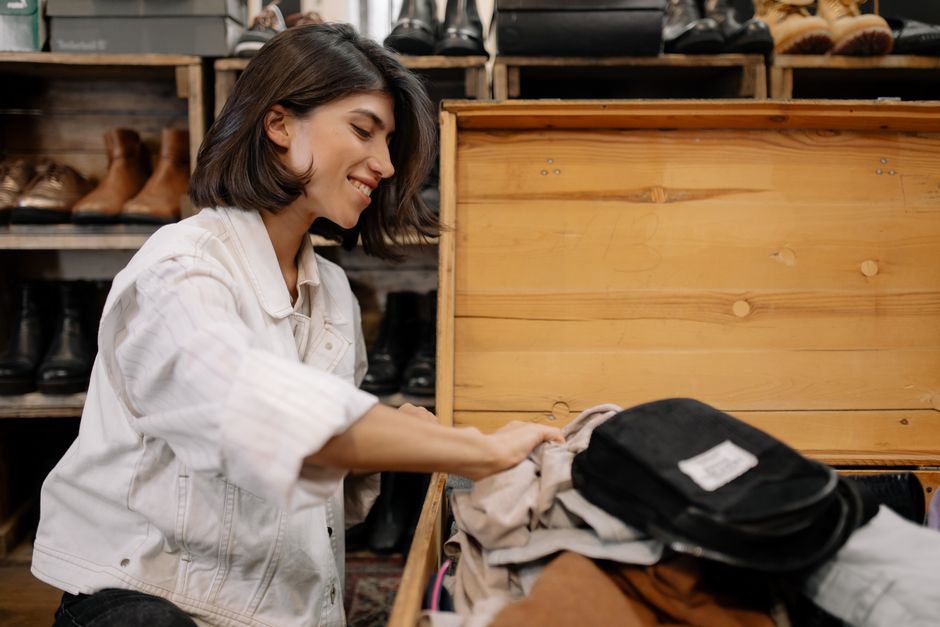
The best April system uses three thin layers instead of one heavy coat. Thin layers dry faster, fit under a rain shell, and let you adjust without carrying a second bulky jacket through museums or stations.
Build the three-layer stack
Start with a breathable base layer. Merino wool or a quick-drying synthetic shirt handles sweat better than heavy cotton during a long walking day. Add a mid-layer such as a fleece, cardigan, or packable down jacket. Finish with a waterproof shell that blocks wind and rain.
The Patagonia Torrentshell 3L is a strong example of the outer-layer idea because its three-layer construction gives it more structure than a thin emergency poncho. It takes more space than a plastic rain jacket, but it works for repeated walks in wet cities. For travelers who expect only light showers, a compact shell from a less technical brand may be the better choice.
Keep insulation separate from rain protection
The Uniqlo Ultra Light Down jacket remains useful as a packable warmth layer because it compresses into a small pouch and adds insulation without the bulk of a winter coat. It should not serve as your only rain layer. Down loses much of its insulating value when it becomes wet, and a water-repellent finish does not make a jacket fully waterproof.
For a colder itinerary, choose the warm layer based on the coldest expected evening, then use the shell for wind and rain. For a southern route, a long-sleeve merino shirt plus a shell may be enough. A Smartwool Classic All-Season Merino shirt is a practical reference point: it is designed as a light base layer, not as a substitute for an insulating jacket.
Do not pack two heavy coats because a forecast shows one cold day. Wear the warm layer in transit, keep the shell accessible, and let the rest of the trip use the same combination.
What just-in-case items should stay home?
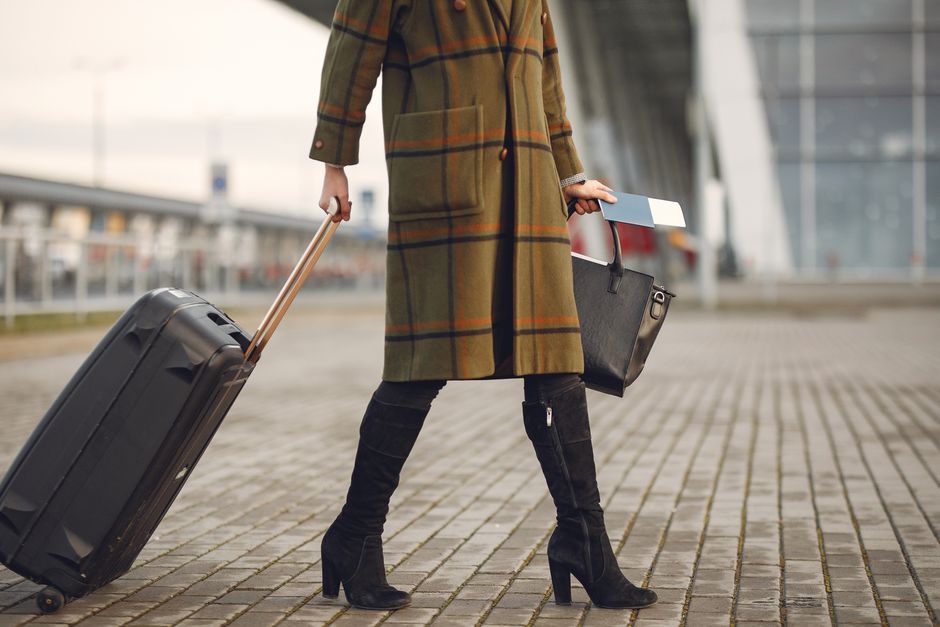
The fastest way to cut luggage is to remove items that solve rare problems badly. Use the following list as a final edit before closing the bag.
Run the 24-hour test
- Remove any garment you would wear only once.
- Remove any item that needs a special shoe, special bag, or special weather condition.
- Remove duplicate toiletries when one product can serve two roles.
- Remove a second heavy sweater if a long-sleeve shirt and light warm layer can combine.
- Remove full-size containers when a small amount will cover the trip.
- Remove emergency clothing for weather that the forecast does not support.
Use the laundry and replacement tests
Ask whether each clothing item can survive one sink wash or a quick laundromat cycle. If it cannot, it needs a strong reason to travel. Ask a second question: if the item were lost, could you replace it in a European city within a day? Underwear, basic shirts, socks, and toiletries usually pass that test. A specialized garment with a narrow purpose usually does not.
Common failures include packing five tops but only one usable bottom, bringing an umbrella that breaks in wind, and storing the rain shell at the bottom of the bag. Put the shell near the opening. Pack one dry pair of socks in a small waterproof pouch. Keep medicine in original labeled packaging and carry prescriptions separately from checked luggage.
Leave room for the trip itself. A bag packed to its limit turns every souvenir, snack, and laundry change into a problem.
What is the best April 2026 carry-on setup?
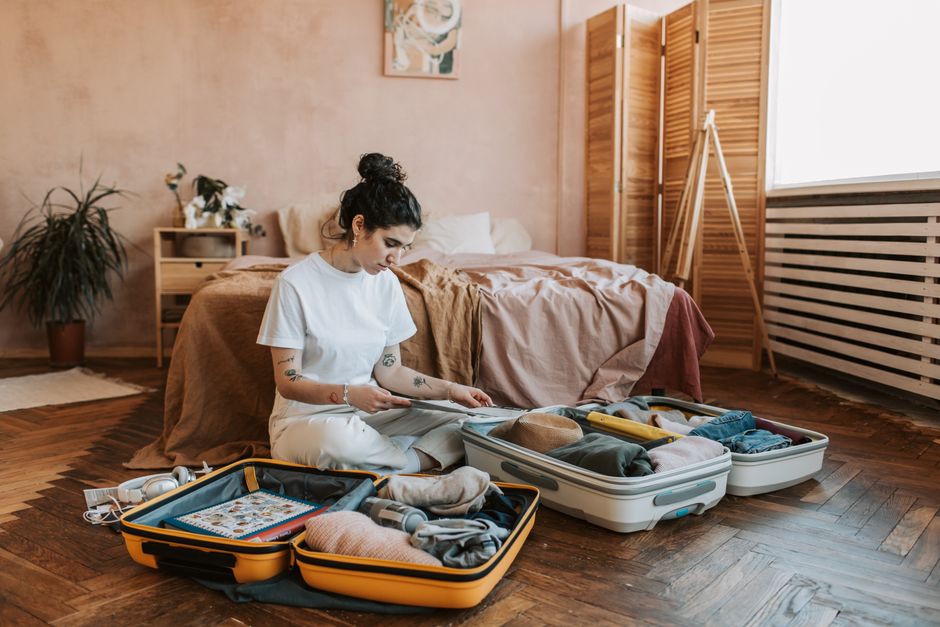
How large should the bag be?
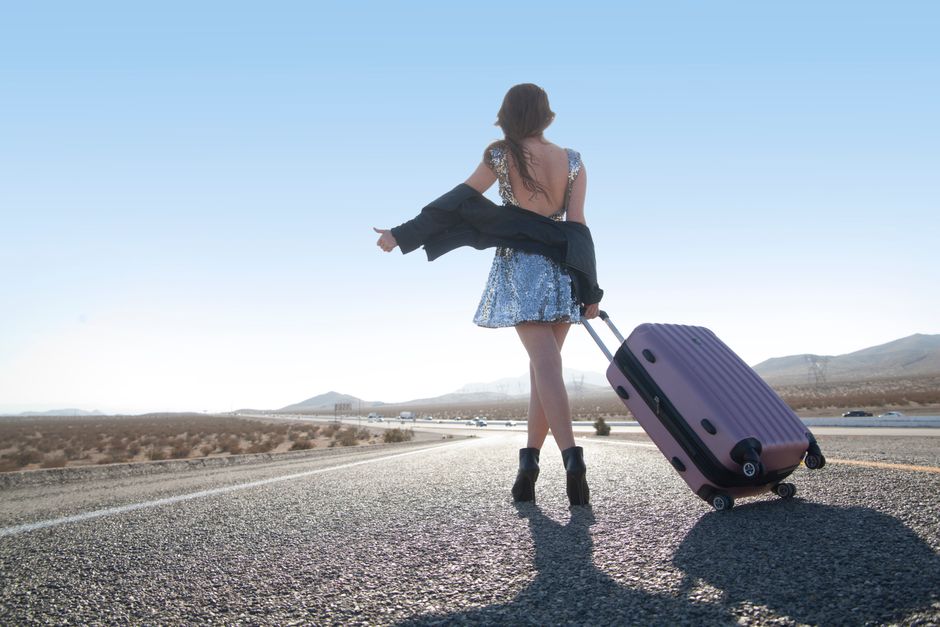
For a one-week trip, a 25- to 30-liter bag is enough for travelers who use the clothing formula above. The Osprey Daylite Expandable Travel Pack 26+6 is a useful benchmark: it offers 26 liters in its compact form, expands by 6 liters, measures about 17 by 13 by 6 inches, and weighs about 1.85 pounds. The expandable section helps on the return journey, but expansion does not remove airline size limits. Check the carrier’s current personal-item or cabin-bag rules before departure.
If you need more than 30 liters because of camera equipment, medical supplies, or specialist clothing, use a small roller instead of forcing a backpack beyond its comfortable load. The best bag is the one you can lift onto a train, carry up stairs, and keep beside your seat.
What should be reachable during transit?
Keep your passport, medication, phone charger, earplugs, water bottle, rain shell, and one warm layer near the top. Put shoes and dense items low on the back panel. Use one packing cube for tops, one for bottoms, and a small pouch for underwear and socks. This arrangement keeps the bag readable without requiring a full unpacking at every hotel.
What is the final verdict?
The strongest April Europe packing list contains two bottoms, five tops, one warm layer, one rain layer, one walking shoe, and enough small accessories to handle sun and cool evenings. It does not attempt to defeat every possible forecast. This is not legal advice — consult a licensed attorney. Packing is not a legal dispute, but the same careful rule applies: rely on the facts you actually have, define the risk you are addressing, and reject unsupported contingencies.
So, when the traveler in the opening scenario reaches the station with one manageable bag instead of a just-in-case pile, the result is not under-preparation. It is a layered plan with room to move.