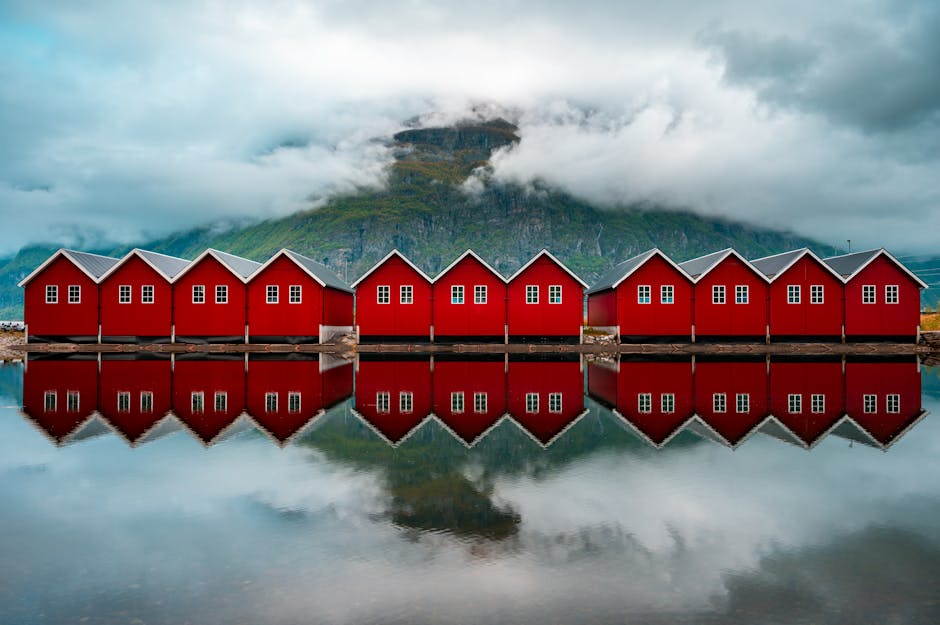
Planning a trip means you’re dreaming of incredible photos. You want to capture those breathtaking landscapes, bustling street scenes, and intimate moments with stunning clarity. However, the age-old problem persists: how do you get pro-level shots without lugging around a heavy, complicated camera?
Forget bulky DSLRs. For most travelers today, a mirrorless camera offers the ideal solution. It delivers superb image quality in a compact, manageable body, making it the top pick for capturing travel memories without feeling burdened.
The Traveler’s Dilemma: Balancing Size, Weight, and Image Quality
Every traveler faces a core conflict: carrying less versus capturing more detail. A small camera fits easily into a daypack, but often compromises on sensor size and lens options. A large camera, while offering superior image quality and versatility, becomes a literal pain in the neck after a few hours of exploring.
Your smartphone is convenient. True. For quick snaps and sharing on social media, it’s unbeatable. But for printing large photos, capturing dynamic range in challenging light, or achieving that creamy background blur (bokeh), a dedicated camera is still king. The difference in sensor size alone dramatically impacts low-light performance and overall image fidelity. Think of a smartphone as a digital notepad; a dedicated camera is your canvas.
Ultimately, the “best” camera is the one you actually bring with you and enjoy using. This means finding a camera that sparks joy, not dread, when you consider packing it. It needs to be robust enough for varied environments, simple enough not to frustrate you, and powerful enough to meet your creative aspirations.
Why Portability Matters More Than Ever
Modern travel often involves tight luggage restrictions, long walks, and crowded spaces. A camera system that is too heavy or cumbersome will inevitably be left behind in the hotel room. Imagine hiking through Patagonia with a heavy backpack and an equally heavy camera bag. You’d quickly regret the extra pounds. A lighter setup allows for more spontaneous shots and less fatigue, meaning you’ll actually take more photos.
Defining Your Travel Photography Style
Before buying, consider your typical travel. Are you a cityscape explorer? A nature photographer? A portrait artist capturing local faces? Your subject matter dictates lens needs, which then influences camera body choice. Someone shooting vast landscapes might prioritize dynamic range, while a street photographer needs fast autofocus and discreet operation.
Decoding Camera Sensor Sizes for Sharp Travel Photos

The sensor is the heart of any digital camera. It’s the component that captures light and transforms it into an image. Its size is a primary factor determining image quality, especially in low light, and how much detail your photos will retain.
Larger sensors generally mean larger individual pixels, which can gather more light. This translates to better performance in dim conditions, less digital noise (graininess) at higher ISO settings, and a shallower depth of field (that pleasing blurry background effect, known as bokeh).
Full-Frame Sensors: The Professional Standard
These sensors are roughly the size of traditional 35mm film (36mm x 24mm). Full-frame cameras like the Sony Alpha a7C II or Canon EOS R8 offer unparalleled image quality, dynamic range, and low-light performance. They pair wonderfully with prime lenses for stunning background blur. The downside? Full-frame bodies and their compatible lenses tend to be larger, heavier, and significantly more expensive. For the dedicated professional or enthusiast who prioritizes ultimate image quality above all else, full-frame is the way to go, but it demands a commitment to carrying more gear.
APS-C Sensors: The Sweet Spot for Travelers
APS-C (Advanced Photo System type-C) sensors are smaller than full-frame, typically around 23.6mm x 15.7mm for Sony/Fujifilm or 22.2mm x 14.8mm for Canon. Cameras like the Fujifilm X-T5 or Sony Alpha a6700 use these sensors. They offer an excellent balance of image quality, compact size, and affordability. You still get great low-light performance, good dynamic range, and plenty of resolution for most uses. Lenses for APS-C cameras are also smaller and lighter than their full-frame equivalents, making the entire system much more travel-friendly without a huge drop-off in quality compared to full-frame.
Micro Four Thirds (MFT) Sensors: Ultra-Compact Performance
MFT sensors are even smaller, at 17.3mm x 13mm. Cameras from Olympus (now OM System) and Panasonic use this standard. MFT cameras like the OM System OM-5 are incredibly compact and lightweight, as are their lenses. This makes them ideal for ultra-light travelers or those who want a camera that practically disappears into a small bag. While low-light performance and depth of field are slightly less pronounced than with APS-C or full-frame, modern MFT cameras still deliver excellent image quality, especially in good light. Their smaller sensor also provides a 2x crop factor, effectively doubling the reach of telephoto lenses, which is great for wildlife or distant subjects.
Why Mirrorless Cameras Are the Travel Photography Standard
When it comes to travel photography, mirrorless cameras have become the undisputed champions. They merge the high image quality of DSLRs with the portability of compact point-and-shoots, creating a powerful, versatile package. The core difference lies in the absence of a mirror mechanism found in DSLRs. This crucial design change allows for a much more compact body, as the lens can be closer to the sensor.
Instead of an optical viewfinder, mirrorless cameras use an electronic viewfinder (EVF) or the rear LCD screen. This means you see exactly what the sensor sees, including exposure changes and white balance adjustments, before you even press the shutter. This “what you see is what you get” experience is incredibly helpful for beginners and seasoned pros alike, reducing trial and error in varying light conditions. Modern EVFs are incredibly sharp and responsive, making them a joy to use even in bright sunlight.
Beyond size, mirrorless cameras often boast superior autofocus systems, especially when it comes to tracking moving subjects. Many models feature advanced AI-driven autofocus that can detect and track eyes (human and animal), ensuring your portraits and action shots are always sharp. Cameras like the Sony Alpha a7C II ($2,199 body only) or the Fujifilm X-T5 ($1,699 body only) exemplify this, offering lightning-fast and accurate focusing that can keep up with unpredictable travel moments.
Advantages Beyond Size
- Faster burst shooting: Without a mirror flapping up and down, mirrorless cameras can achieve much higher frames per second, perfect for capturing decisive moments.
- Better video capabilities: Many mirrorless cameras excel at video, offering 4K recording, advanced stabilization, and external microphone inputs. This makes them dual-purpose tools for content creators.
- In-Body Image Stabilization (IBIS): Many mirrorless bodies now include IBIS, which stabilizes the sensor itself. This means sharper photos and smoother video, even with non-stabilized lenses, and allows for hand-holding at slower shutter speeds in low light. The OM System OM-5 ($1,199 body only) is a prime example, offering exceptional IBIS in a tiny package.
- Broad lens selection: All major brands like Sony, Canon, Fujifilm, and Nikon offer extensive lens lineups for their mirrorless systems, covering everything from wide-angle landscapes to telephoto wildlife. Third-party manufacturers also provide excellent, more affordable options.
Top Picks: Mirrorless Cameras for Every Travel Style in 2026

Choosing a specific model depends on your priorities and budget. Here’s a comparison of excellent mirrorless options available today, catering to different travel needs.
| Camera Model | Sensor Size | Key Feature for Travel | Typical Price (Body Only) | Pros for Travel | Cons for Travel |
|---|---|---|---|---|---|
| Sony Alpha a7C II | Full-Frame | Ultimate image quality, compact body | $2,199 | Exceptional low-light, IBIS, compact for full-frame, excellent AF | More expensive, full-frame lenses can be larger |
| Fujifilm X-T5 | APS-C | Retro design, superb image quality, tactile controls | $1,699 | Stunning JPEGs (film simulations), excellent build, great lens ecosystem, IBIS | Video features not as strong as Sony, some prefer modern ergonomics |
| Canon EOS R8 | Full-Frame | High-end performance, great value for full-frame | $1,499 | Excellent AF, lightweight full-frame, good video, user-friendly interface | No IBIS, battery life is moderate, limited native lenses (RF mount growing) |
| Nikon Z fc | APS-C | Stylish retro design, vlogger-friendly screen | $959 | Extremely stylish, great for street/casual travel, good ergonomics, lightweight | No IBIS, fewer native APS-C lenses than Sony/Fujifilm, less advanced AF |
| OM System OM-5 | Micro Four Thirds | Ultra-portable, exceptional IBIS, weather-sealed | $1,199 | Tiny footprint, powerful stabilization, weather sealing, great for hiking | Smaller sensor, slightly less low-light performance than APS-C/Full-frame |
Considerations for Your Choice
If budget is flexible and image quality is , the Sony Alpha a7C II gives you full-frame power in a surprisingly small package. For a balance of quality, size, and a more classic photography experience, the Fujifilm X-T5 is a phenomenal choice. If you’re a Canon user looking for an affordable entry into full-frame mirrorless, the Canon EOS R8 is hard to beat, assuming you don’t mind not having IBIS. For the lightest possible kit with strong performance, especially for outdoor adventurers, the OM System OM-5 is a compelling option.
Essential Lenses and Accessories for Your Travel Kit
A great camera body is only half the story. Your choice of lenses and accessories can dramatically expand your photographic capabilities and improve your travel experience. Don’t skimp here; a good lens often outlasts multiple camera bodies.
- Versatile Zoom Lens: Start with a standard zoom, often called a “kit lens.” Something like an 18-55mm (APS-C) or 24-70mm (full-frame) will cover most scenarios, from wide-angle landscapes to tighter portraits. Look for lenses with optical stabilization if your camera body lacks IBIS.
- Compact Prime Lens: A fast prime lens (e.g., 35mm f/1.8 or 50mm f/1.8) is lightweight, takes excellent low-light photos, and creates beautiful background blur. They’re perfect for street photography, portraits, and shooting in dimly lit cafes.
- Extra Batteries: Always pack at least one, preferably two, spare batteries. You don’t want to miss a shot because your camera died halfway through the day. Check the camera’s CIPA rating for battery life, but real-world usage often varies.
- High-Speed SD Cards: Invest in several high-capacity, fast-speed SD cards (UHS-II recommended for 4K video and fast burst shooting). Always carry backups.
- Lightweight Travel Tripod: A compact tripod like the Peak Design Travel Tripod ($380) or a Joby GorillaPod ($50 for smaller versions) can be invaluable for long exposures (night shots, waterfalls), self-portraits, or capturing stable video.
- Camera Bag or Insert: Protect your gear. A padded camera insert allows you to convert any backpack into a camera bag, blending in better than a dedicated camera bag. For example, the Tenba BYOB 9 Camera Insert ($35) fits many bags.
- Cleaning Kit: Dust and smudges are inevitable. A small cleaning kit with a lens pen, micro-fiber cloth, and a blower brush is crucial for maintaining image clarity.
- Lens Filters: A circular polarizer (CPL) filter can reduce glare and enhance colors in landscapes, while a neutral density (ND) filter allows for long exposures in bright light.
Cost vs. Value: Maximizing Your Camera Budget
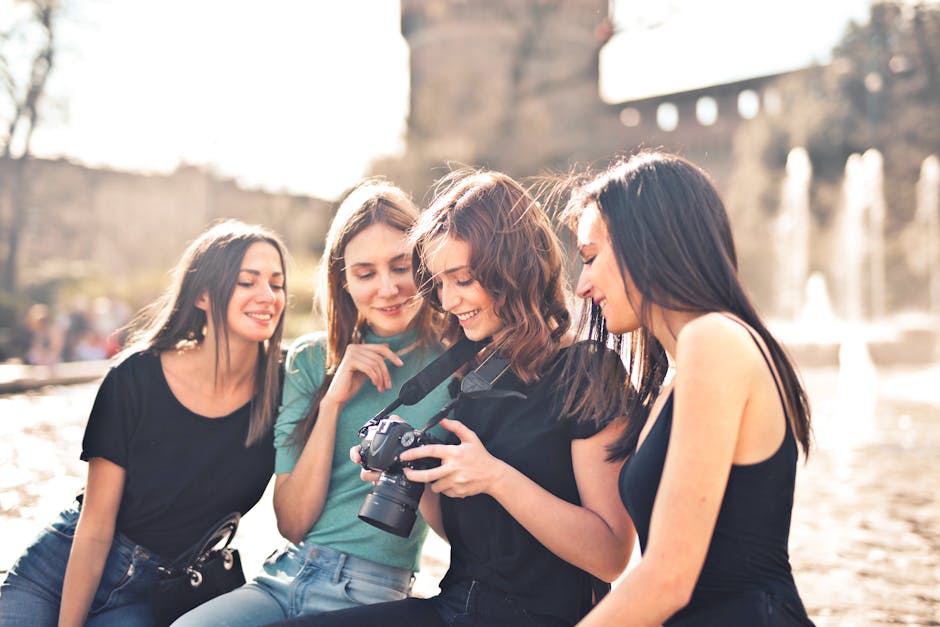
Getting into serious photography can seem expensive. However, smart choices can get you incredible value without breaking the bank. Focus on what truly impacts your photos and avoid unnecessary upgrades.
What’s the most important investment: camera body or lenses?
Generally, lenses are a more crucial long-term investment than camera bodies. Camera technology advances rapidly, leading to new bodies every few years. Good lenses, however, maintain their optical quality and utility for a decade or more. A fantastic lens on an older camera body will almost always outperform a mediocre lens on the latest camera body. Prioritize spending on versatile, high-quality glass.
Are used cameras a good option for travelers?
Absolutely. Buying used gear from reputable retailers (like KEH Camera or MPB) can save you a significant amount of money. You can often find previous-generation models in excellent condition at a fraction of their new price. For example, a used Fujifilm X-T3 (predecessor to the X-T5) still offers incredible performance for travel photography at around $700-800. Just ensure the used item comes with a warranty and clear condition grading.
Should I buy a kit lens or separate lenses?
For beginners, a kit lens (the lens bundled with the camera body) is often a good starting point. It provides a versatile zoom range to learn the basics. However, these lenses often have slower apertures and plastic builds. As you grow, you’ll likely want to upgrade to faster prime lenses or more robust zoom lenses for better image quality and low-light performance. Buying separate, higher-quality lenses from the outset, if your budget allows, can save you money in the long run by avoiding the “upgrade cycle” of kit lenses.
Your Perfect Travel Camera: A Final Decision Checklist
Choosing the right camera for your travels boils down to a few key priorities. Don’t overthink it. Focus on what truly enhances your experience.
- Portability: Can you comfortably carry it all day? If not, find a lighter option.
- Image Quality: Does it meet your expectations for sharpness, color, and low-light performance?
- Budget: Does the total system (body + essential lenses) fit your financial plan?
- Ease of Use: Are you comfortable with the controls? A complicated camera stays in the bag.
- Durability: Is it robust enough for your travel style (weather sealing, build quality)?