You’ve seen the photos. Prayer flags snapping in the wind against a backdrop of 8,000-meter peaks. You want that. But you’ve also heard the stories—people getting helicoptered out with altitude sickness, blisters the size of golf balls, and trips ruined by gear that failed on day two.
Here’s what actually matters: picking a route that matches your lungs, not your ego. Getting permits sorted so a checkpoint doesn’t turn you around. And packing exactly what you need—nothing more. This guide covers the non-negotiable logistics for a first multi-day trek in the Himalayas, specifically in Nepal’s most accessible regions.
The Route Question: Why the Annapurna Sanctuary Beats Everest Base Camp for Your First Trek
Everest Base Camp (EBC) gets the glory. It also gets the altitude problems. The EBC trek pushes you to 5,364 meters and forces you to sleep above 4,900 meters at Gorak Shep. For someone who doesn’t know how their body handles altitude, that’s a gamble.
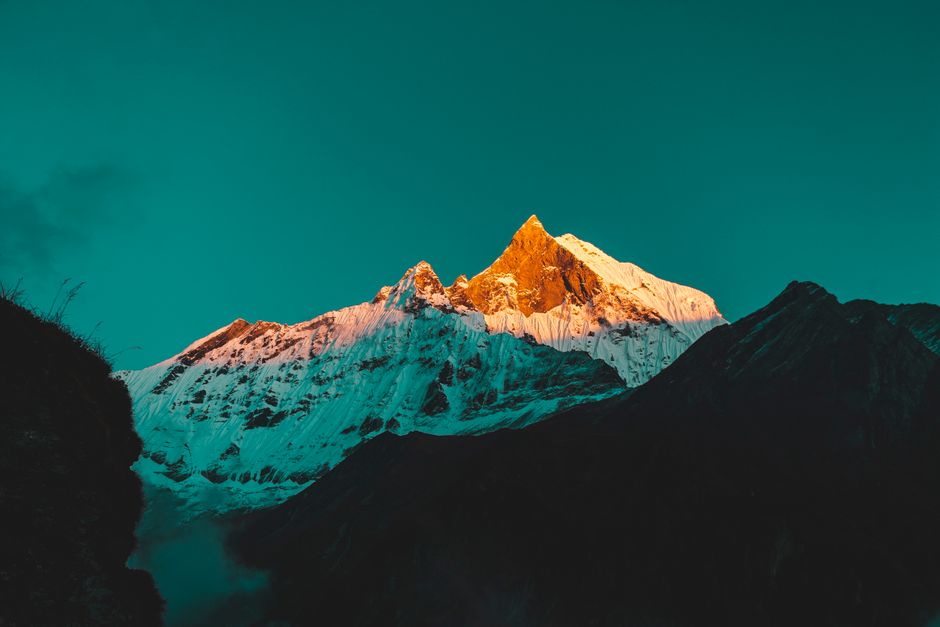
The Annapurna Sanctuary trek (also called Annapurna Base Camp, or ABC) tops out at 4,130 meters. That’s still high. But the ascent profile is gentler, and you’re not committed to sleeping at extreme elevation for multiple nights. You walk through bamboo forests, terraced rice paddies, and rhododendron groves before hitting the high alpine amphitheater surrounded by Annapurna I, Machapuchare, and Hiunchuli.
If you have exactly zero high-altitude experience, start here. The Langtang Valley trek is another solid option—it reaches 3,870 meters at Kyanjin Gompa and gets you into serious mountain scenery within a day’s drive from Kathmandu.
| Trek | Max Altitude | Typical Duration | Difficulty for Beginners | Permit Required |
|---|---|---|---|---|
| Annapurna Sanctuary (ABC) | 4,130m | 7-10 days | Moderate | ACAP + TIMS |
| Langtang Valley | 3,870m | 6-8 days | Moderate | Langtang NP + TIMS |
| Everest Base Camp | 5,364m | 12-14 days | Strenuous | Sagarmatha NP + TIMS |
| Ghorepani Poon Hill | 3,210m | 4-5 days | Easy-Moderate | ACAP + TIMS |
Poon Hill is the short option. Four days, max elevation just over 3,200 meters. You still get the panoramic Himalayan sunrise view, and it’s a smart way to test your gear and your legs before committing to something longer.
Permits: What You Actually Need and Where to Get Them
You cannot just show up and start walking. Nepal’s national parks and conservation areas require permits, and checkpoints along the trail will ask for them. No permit means you get turned around or fined.
For the Annapurna region, you need two documents:
- ACAP (Annapurna Conservation Area Permit): Costs NPR 3,000 (about $23) for foreign nationals. Get it at the Nepal Tourism Board office in Kathmandu or at the ACAP counter in Pokhara.
- TIMS Card (Trekkers’ Information Management System): NPR 2,000 (about $15) for individual trekkers. The same offices issue this.
For Langtang, swap ACAP for the Langtang National Park entry permit (NPR 3,000). For EBC, you need the Sagarmatha National Park permit (NPR 3,000) plus the Khumbu Pasang Lhamu Rural Municipality permit (NPR 2,000).
Bring passport photos. At least four. The offices in Kathmandu can take them, but it’s faster if you already have them. And carry cash in Nepali rupees—card machines are not reliable at these counters.
Do You Need a Guide?
As of April 2026, Nepal requires foreign trekkers to hire a licensed guide or porter through a registered trekking agency for most major routes. The days of independent solo trekking in national parks are largely over. This rule was implemented after several solo trekkers went missing. A guide costs roughly $25-35 per day. A porter carrying up to 20kg costs $15-25 per day. You’re paying for safety and local knowledge, not just someone to carry your bag.
Gear That Earns Its Weight and What Stays Home
Teahouse trekking in Nepal changes the gear equation. You’re not carrying a tent, stove, or food for a week. You sleep in basic lodges and eat dal bhat in dining halls heated by a yak-dung stove. Your pack should weigh 8-12 kilograms, not 20.
Here’s what fails first for beginners: footwear and layering choices.
Boots: Don’t show up in brand-new boots. The stone steps on Annapurna trails will shred your heels if the boots aren’t broken in. The Salomon X Ultra 4 Mid GTX ($175) works for most people—enough ankle support without being a full mountaineering boot. The La Sportiva Ultra Raptor II Mid GTX ($199) is better if you have narrow feet. Wear them on at least five 10-kilometer walks before Nepal.
Socks: Darn Tough Hiker Micro Crew Cushion ($25). Bring two pairs. Wool. No cotton. Cotton socks in wet boots create blisters within two hours.
Layering system:
- Base layer: Merino wool. Icebreaker 200 Oasis long-sleeve ($85). One to wear, one in the pack.
- Mid-layer: Patagonia R1 Air fleece ($139). Breathable, warm when wet, dries fast.
- Insulation: Mountain Hardwear Ghost Whisperer 2 down jacket ($360). Packs into its own pocket. Weighs under 250 grams.
- Shell: Outdoor Research Foray II GTX ($225). Gore-Tex, pit zips, light enough to justify carrying even if it doesn’t rain for five days.
Sleeping bag: Teahouses provide blankets, but above 3,500 meters those blankets are thin and possibly unwashed. A sleeping bag rated to -10°C (14°F) is worth the weight. The Therm-a-Rest Questar 20 ($380) compresses small and actually hits its temperature rating.
Leave behind: jeans, cotton t-shirts for anything except sleeping, a laptop, more than one book, and any toiletries you can’t use in cold water because hot showers cost extra and disappear above 3,500 meters.
Altitude: The Thing That Doesn’t Care How Fit You Are
Fitness doesn’t protect you from Acute Mountain Sickness (AMS). Marathon runners get it. Gym rats get it. The only prevention that works is ascent rate.
The rule: above 3,000 meters, don’t increase your sleeping elevation by more than 500 meters per day. And every 1,000 meters of elevation gain, spend an extra night at the same altitude. This is why the Annapurna Sanctuary trek builds in acclimatization stops at Chhomrong (2,170m) and Deurali (3,200m) before the final push to ABC.
What AMS Actually Feels Like
It starts as a hangover. Headache, nausea, trouble sleeping, loss of appetite. If you feel this, do not go higher. If symptoms get worse—confusion, stumbling, shortness of breath at rest—descend immediately. Not in the morning. Now. Diamox (acetazolamide) helps prevent AMS but doesn’t treat it once it’s severe. The standard dose is 125mg twice daily starting 24 hours before ascent. Get a prescription before you leave home—pharmacies in Kathmandu sell it over the counter, but you want a doctor to confirm there’s no reason you shouldn’t take it.
Water is the other piece. At altitude, you lose moisture through respiration faster than you realize. Drink 3-4 liters per day. Iodine tablets (Potable Aqua, $10) or a SteriPen Ultra ($70) beats buying plastic bottles in villages that have no recycling infrastructure.
What the Daily Routine Actually Looks Like
Instagram shows summit sunrises. It doesn’t show the 5:30 AM wake-up to cold water and a dining hall full of trekkers coughing.
A typical day on the Annapurna Sanctuary trek:
- 5:30-6:30 AM: Wake up, pack your bag, eat porridge or Tibetan bread with honey. Fill water bottles.
- 6:30-11:00 AM: Walk. Morning light is best for photos and the trails are quieter. You’ll cover most of the day’s distance in this window before clouds roll in.
- 11:00 AM-12:00 PM: Lunch stop. Dal bhat (rice, lentil soup, vegetable curry) is the standard. It’s safe, cooked, and refills are usually free.
- 12:00-3:00 PM: Finish the day’s walk. Shorter afternoon because afternoons in the mountains often bring rain or cloud.
- 3:00-7:00 PM: Arrive at the teahouse, claim a room, hang out in the dining hall. This is where you talk to other trekkers, play cards, read, stare at mountains.
- 7:00 PM: Dinner. More dal bhat, maybe a Snickers bar you paid $4 for because a porter carried it up 2,000 vertical meters.
- 8:00 PM: Sleeping bag time. It’s dark, it’s cold, and tomorrow starts early.
This rhythm is the actual experience. The views are the highlight reel. The walking, eating, and waiting in dining halls is the movie.
Money, Insurance, and the Stuff That Goes Wrong
Carry cash. There are no ATMs above Pokhara or Syabrubesi. For a 10-day Annapurna trek, budget NPR 3,000-4,000 per day ($23-30) for teahouse accommodation and meals. Add another NPR 2,000-3,000 per day for your guide/porter. Total: roughly $500-700 for the trek itself, not including flights to Nepal or gear.
Travel insurance is not optional. If you need a helicopter evacuation from Annapurna Base Camp, it costs $3,000-5,000. Standard travel insurance often excludes trekking above 3,000 meters. You need a policy that explicitly covers high-altitude trekking and helicopter evacuation. World Nomads Explorer plan covers trekking up to 6,000 meters. Check the fine print.
The most common trip-ending problems: blisters that get infected because someone ignored a hot spot on day one, gastrointestinal illness from untreated water or unwashed hands, and AMS from pushing too high too fast. All three are preventable. Carry a small first-aid kit with Compeed blister patches ($12), Imodium, and a course of azithromycin for bacterial GI infections (prescription required).
The Himalayas will still be there next year. If the weather turns, if your body isn’t handling the altitude, if something feels wrong—turn around. The mountain doesn’t care about your flight home or your Instagram caption. Your first trek should end with you wanting to come back, not with a helicopter ride.