
New Zealand is one of the safest countries for solo travel, but that safety depends on how you prepare. I spent a month traveling alone through both islands and made almost every mistake on this list. Some were just annoying (running out of cash on Stewart Island). Others could have been dangerous. Here’s what I learned so you don’t have to figure it out the hard way.
1. Underestimating the Driving Distance and Road Conditions
Google Maps says Christchurch to Queenstown is a 5-hour drive. That’s a lie if you stop for photos, lunch, or a bathroom break. Realistic time: 7+ hours. Solo drivers have no one to share the wheel with, so fatigue hits hard.
What actually goes wrong
Tourists crash on the road to Milford Sound every year. The Homer Tunnel is narrow, dark, and one-way. Ice forms on the road in winter even at low elevations. Rental car companies like Jucy Rentals and Britz report that single-vehicle accidents (driver falling asleep or misjudging a curve) are the most common claim.
How to fix this
Plan max 3-4 hours of driving per day. Use the NZTA app for real-time road closures and weather warnings. If you’re renting a campervan, avoid the 6-meter-plus models — they’re a nightmare on the Coromandel Peninsula’s winding roads. Stick to a Jucy Cabana or a smaller Britz Voyager if you’re alone.
2. Skipping a Personal Locator Beacon (PLB) on Day Hikes
This is the mistake that scares me most. Cell coverage in New Zealand’s backcountry is almost nonexistent. I hiked the Tongariro Alpine Crossing in November and lost signal 20 minutes in. A British solo hiker died on that same trail in 2026 after slipping on ice and hitting his head. A PLB costs around $300 NZD to buy or $20 NZD to rent from DOC offices.
When you absolutely need one
Any hike classified as a DOC Great Walk (Routeburn, Kepler, Milford, Tongariro) or any alpine tramp above the treeline. Also: solo hikes where you won’t see another person for hours. The Garmin inReach Mini 2 is the most popular model because it also lets you send text messages via satellite. Rent one from Queenstown’s Adventure Rentals for $15/day.
3. Not Booking Accommodation Ahead of Peak Season
December to February is peak season in New Zealand. I showed up in Wanaka on January 2 without a booking and spent two hours calling every hostel in town. The only bed left was a $180/night hotel room. That hurt my budget badly.
| Accommodation Type | Peak Price (Dec-Feb) | Off-Peak Price (Mar-May) | Booking Lead Time Needed |
|---|---|---|---|
| Dorm bed (YHA or Base) | $45-55 NZD | $28-35 NZD | 2-3 weeks |
| Private room (hostel) | $95-130 NZD | $65-85 NZD | 1 month |
| DOC hut (Great Walk) | $32-65 NZD | $15-32 NZD | 6 months (ballot system) |
| Campervan site (powered) | $40-60 NZD | $25-40 NZD | 1 week |
Book DOC huts on the Great Walks website the day bookings open (usually June for the following summer). For hostels, use Booking.com with free cancellation so you can adjust your route.
4. Trusting the Weather Report Completely
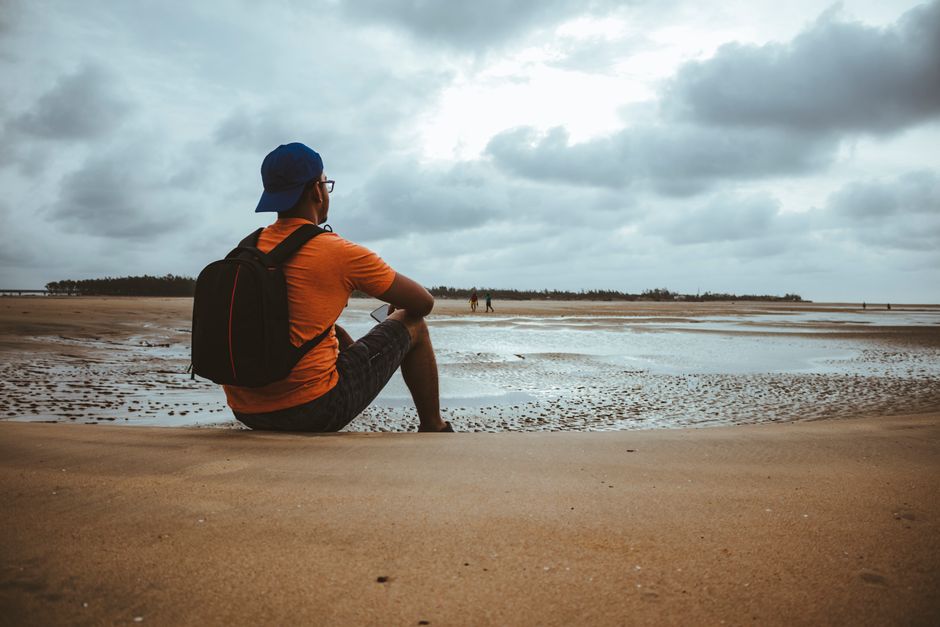
New Zealand weather changes faster than a toddler’s mood. I checked MetService at 7am in Te Anau — clear skies, 18°C. By 10am on the Kepler Track, I was in a whiteout with 80km/h winds. A solo hiker from Germany had to be rescued off that same track in 2026 because she wore only a rain jacket and leggings.
Pack layers even on a sunny day. Merino base layer, fleece mid-layer, and a waterproof shell with taped seams. The Kathmandu Torrential Jacket ($250 NZD) is the standard choice for Kiwis. Don’t skip the thermal leggings — hypothermia sets in fast when you’re wet and alone.
5. Forgetting That Cash Still Matters in Small Towns
This sounds obvious, but I ran into trouble twice. The first time was on Stewart Island — the only ATM had run out of cash on a Saturday. The second was at a small dairy in Haast that had a handwritten sign saying “EFTPOS down — cash only.”
Carry at least $200 NZD in small bills ($10s and $20s). Break a $50 at a supermarket before heading into remote areas. Keep a backup debit card from a different bank — ASB and ANZ ATMs are everywhere, but Westpac is less common in the South Island. A Wise debit card works well for topping up NZD and avoiding foreign transaction fees.
6. Overpacking Gear You Don’t Need
Solo travelers carry everything themselves. I met a guy in Nelson who brought a full camping stove, a cast-iron pan, and three pairs of boots. He was miserable. The average hostel dorm has limited storage, and bus drivers hate oversized bags.
Stick to a 40-50L backpack. Leave the camping gear at home unless you’re doing multi-day tramps — you can rent everything (stove, tent, sleeping bag) from places like Further Faster in Queenstown for $60/week. Pack one pair of sturdy hiking boots (Merrell Moab 3 or Salomon X Ultra 4) and one pair of sandals or sneakers for town. Everything else is negotiable.
7. Ignoring the Social Side of Solo Travel
New Zealand is easy to travel alone but hard to stay social if you don’t try. I spent three days in a row without a real conversation because I kept to myself in hostels. Loneliness is a real safety risk — it makes you less alert and more likely to make bad decisions.
Stay at hostels with common areas like YHA or Base. Join a group tour for at least one day — the Milford Sound cruise or a Hobbiton tour are easy ways to meet people. Use the Bumble BFF mode or Facebook groups like “Backpackers New Zealand” to find travel buddies for hikes. Sharing a ride via the Carpool app also cuts costs and adds company.
8. Not Having a Backup Plan for Transport
Intercity buses run between major towns but don’t cover remote areas well. I missed the only daily bus from Franz Josef to Wanaka because it left at 7:15am and I overslept. The next bus was 24 hours later. Hitchhiking is common in New Zealand but not safe for everyone, especially solo women.
Book the InterCity FlexiPass ($50-150 NZD depending on hours) for bus travel. For remote spots, rent a car from Jucy or Apex for a few days — a 2WD hatchback costs $35-50 NZD/day in shoulder season. Download the Maps.me app with offline maps of the South Island. Cell towers are sparse between towns, and Google Maps will fail you.
New Zealand rewards the prepared solo traveler. The mistakes here all come down to one thing: assuming conditions will be easy. They won’t be. But if you plan for the worst, you’ll have the trip of your life.