Most people assume any food tour in Rome is a tourist trap. You pay €80 to eat pre-packaged pasta samples while a guide points at a church. That version exists. But the real question is whether a well-researched food tour gives you something you can’t get by wandering alone.
The short answer: yes — but only if you pick the right one. A bad tour wastes money. A good one saves you time, gets you into places locals actually eat, and explains what you’re tasting. This guide breaks down what separates the two.
What a Good Rome Food Tour Actually Costs (2026 Prices)
Tours range from €60 to €150 per person. Here’s what that money buys across three major operators.
| Tour Company | Price (€) | Duration | Food Stops | Neighborhood |
|---|---|---|---|---|
| Eating Europe — Trastevere | €89 | 3.5 hours | 8 | Trastevere |
| Devour Tours — Prati | €79 | 3 hours | 6 | Prati |
| The Roman Food Tour — Testaccio | €65 | 3 hours | 7 | Testaccio |
€65–€89 covers about 3 hours of walking, 6–8 food stops, and a guide who lives in Rome. You get a full meal’s worth of food — think pasta, pizza bianca, porchetta, gelato, and wine. That’s €15–€20 per hour. Compare that to a sit-down dinner at a mid-range Roman restaurant, where €25 buys you one plate of cacio e pepe and a water.
But price alone doesn’t tell you if it’s worth it. The real value is access.
The One Thing a Food Tour Gets You That Solo Eating Can’t
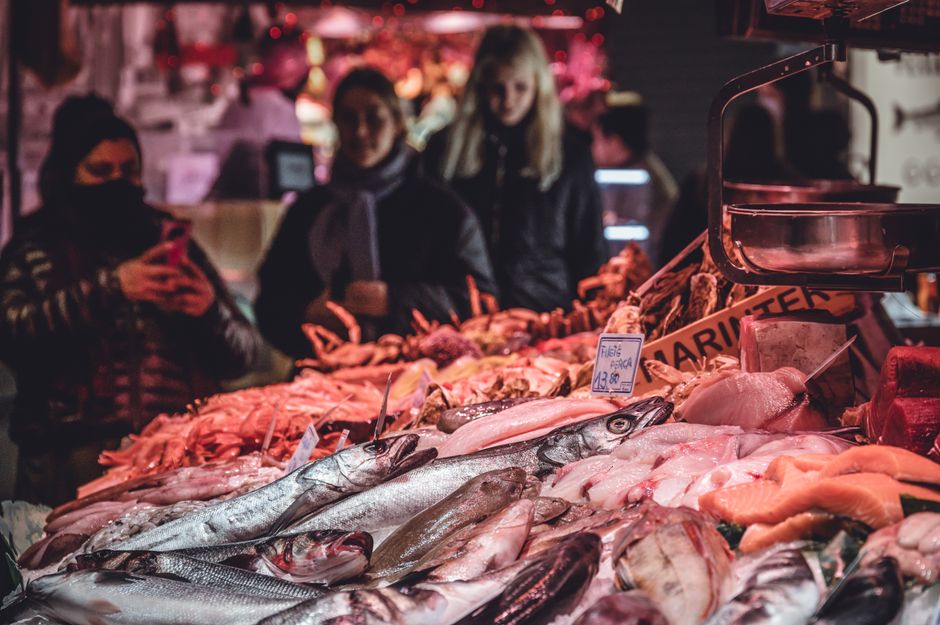
Rome has two types of food shops: the ones tourists walk past and the ones locals queue at. The difference is often invisible.
A good guide knows the bakery that opens at 7:30 AM to sell warm pizza bianca to construction workers. They know the salumeria in Testaccio that still slices prosciutto by hand and charges €4 for a sandwich that feeds two. They know the forno that doesn’t have an English menu because they don’t need one.
You can find these places on your own. It takes hours of walking, trial and error, and probably a few bad meals. A food tour collapses that research into one afternoon.
The best tours also teach you what to look for. You learn why real Roman carbonara uses guanciale, not pancetta. You taste the difference between factory-made gelato and the artisanal stuff. That knowledge sticks. Next time you walk into any Italian restaurant, you know what’s worth ordering.
When a Food Tour Is a Waste of Money
Not all tours deliver. Here are three red flags.
Too many people. Groups over 12 mean you stand in the street while the guide shouts. You wait for everyone to take photos. The food gets cold. Stick to tours capped at 10 people.
Chain restaurants. Some tours take you to places that look authentic but are owned by the tour company. The food is pre-made. The story is scripted. Ask what specific shops you’ll visit before booking.
No wine or sit-down stops. Eating standing on a curb isn’t fun. A good tour includes at least one seated stop with wine or beer. If the itinerary says “water included” without mentioning alcohol, skip it.
One more thing: if a tour promises 15+ tastings in 2 hours, that’s a red flag. You’re getting tiny samples, not real portions. You’ll leave hungry.
How to Pick the Right Tour for Your Style

Different tours suit different travelers. Here’s how to match.
For first-timers who want the classics. Eating Europe’s Trastevere tour (€89) hits the big Roman foods — carbonara, supplì, gelato, and wine — in a neighborhood that feels like old Rome. The guides are locals who actually eat at these places on their days off.
For budget travelers who want real local life. The Roman Food Tour in Testaccio (€65) focuses on the city’s traditional market district. You visit the Mercato Testaccio, eat at a family-run trattoria, and finish at a bakery that’s been open since 1880. It’s less polished and more real.
For people who hate groups. Devour Tours runs small-group options (max 8 people) in Prati (€79). Prati is less touristy than Trastevere. You get more personal attention and can ask the guide for restaurant recommendations for the rest of your trip.
If you’re traveling alone, any of these work. Solo diners often feel awkward at sit-down restaurants. A food tour solves that — you’re part of a group, and the food is ordered for you.
The Hidden Costs of NOT Taking a Food Tour
People skip food tours to save money. But they often spend more in the long run.
Here’s what happens: you walk into a restaurant near the Trevi Fountain. The menu has photos. The waiter is aggressive. You order a €16 plate of pasta that’s been sitting under a heat lamp. It’s terrible. You leave disappointed.
That’s not an accident. Restaurants in tourist zones pay high rent. They make money by turning tables fast with low-quality food. A food tour steers you away from those zones entirely.
One meal at a tourist trap costs €25–€35 for mediocre pasta and a drink. A food tour costs €65–€89 and gives you 6–8 tastings, a guide, and a route through the city. If you’re in Rome for 3 days, one tour replaces 2–3 bad meals. The math works out.
There’s also the time factor. You could spend 2 hours researching restaurants online, reading conflicting reviews, and walking to a place that’s closed on Mondays. Or you could just show up and let someone who already did that work guide you.
Final Verdict: Take One Tour, Then Go Solo
Here’s my recommendation: book one food tour on your first full day in Rome. Use it to learn the neighborhoods, the food vocabulary, and the spots you want to revisit. Then spend the rest of your trip eating on your own terms.
The Eating Europe Trastevere tour (€89) is the best all-around pick for 2026. It covers the classics, runs in a walkable neighborhood, and keeps groups small. You’ll leave full, armed with a list of places to return to.
If you’re on a tighter budget, the Testaccio tour (€65) gives you more food for less money in a less polished setting. It’s the better choice if you want to see how Romans actually shop and eat.
Skip the tours that cost under €50. They cut corners on food quality and group size. And never book a tour that doesn’t list the specific stops — you’re paying for a mystery box, and it’s usually full of stale bread.
A good food tour doesn’t replace eating on your own. It makes your solo meals better.