Walk into an Italian bar and you’ll see it: a person walks up, says three words, drinks a tiny cup in 30 seconds, pays €1.10, and leaves. No laptop. No 20-minute sit. No “grande caramel macchiato.” Tourists stick out because they don’t know the script. This article gives you that script. No fluff — just the phrases, the rules, and the mistakes that scream “foreigner.”
The One Mistake That Brands You as a Tourist
You order a “latte” in Rome and the barista hands you a glass of hot milk. That’s what latte means in Italian. Milk. Not coffee with milk. A caffè latte is coffee with milk, but locals almost never order it after breakfast. The real mistake? Ordering a cappuccino after 11 a.m. Italians believe milk-based drinks upset digestion later in the day. You won’t get arrested, but you’ll get a look.
Other common errors:
- Asking for “espresso” — just say caffè. It’s the default.
- Sitting at a table without checking the price. Table service costs 2-3x more than standing at the counter.
- Adding sugar before tasting. Good Italian espresso is naturally sweet if extracted right.
Fix these three and you’re already 80% of the way to ordering like a local.
The 7 Coffee Drinks You Actually Need to Know
Italian coffee menus look short because they are. Here’s the full list of what matters, with the exact Italian name and what you get.
| Italian Name | What It Is | When to Order | Price Range (counter) |
|---|---|---|---|
| Caffè | Single shot of espresso, about 25ml | Any time, any day | €1.00 – €1.30 |
| Caffè macchiato | Espresso with a drop of steamed milk | Morning or afternoon | €1.10 – €1.40 |
| Cappuccino | Espresso + frothed milk, 150-180ml | Breakfast only (before 11 a.m.) | €1.30 – €1.60 |
| Caffè latte | Espresso + hot milk, larger cup | Breakfast only | €1.40 – €1.80 |
| Latte macchiato | Hot milk “stained” with a shot of espresso | Breakfast only | €1.50 – €1.80 |
| Americano | Espresso + hot water, larger volume | Any time, but rare among locals | €1.30 – €1.60 |
| Marocchino | Espresso + cocoa powder + milk foam, in a small glass | Afternoon treat | €1.50 – €2.00 |
That’s it. No pumpkin spice. No flat white (though some hipster bars in Milan have it). Order from this list and you’ll be understood.
How to Order at the Counter (The Normal Way)
90% of Italians drink their coffee standing at the banco (counter). Here’s the exact sequence.
Step 1: Walk in, go straight to the counter. Don’t sit. Don’t wait to be greeted.
Step 2: Say “Un caffè, per favore” (one espresso, please). Or “Un cappuccino” if it’s before 11.
Step 3: The barista makes it in 20 seconds. You drink it in 30 seconds. Standing.
Step 4: Take your receipt to the cash register and pay. In some bars, you pay first at the register, then hand the receipt to the barista. Look for the scontrino (receipt) system — a stack of paper tickets near the register means you pay first.
Key phrases:
- “Un caffè, per favore” — standard order
- “Un caffè macchiato” — with a drop of milk
- “Un cappuccino” — only for breakfast
- “Al banco” — at the counter (they’ll ask if you want to sit or stand)
- “Da asporto” — to go (some bars charge extra or refuse)
One more thing: don’t ask for a “large” coffee. There’s no such thing. You order a caffè doppio (double espresso) if you want more volume.
When You Do Sit at a Table
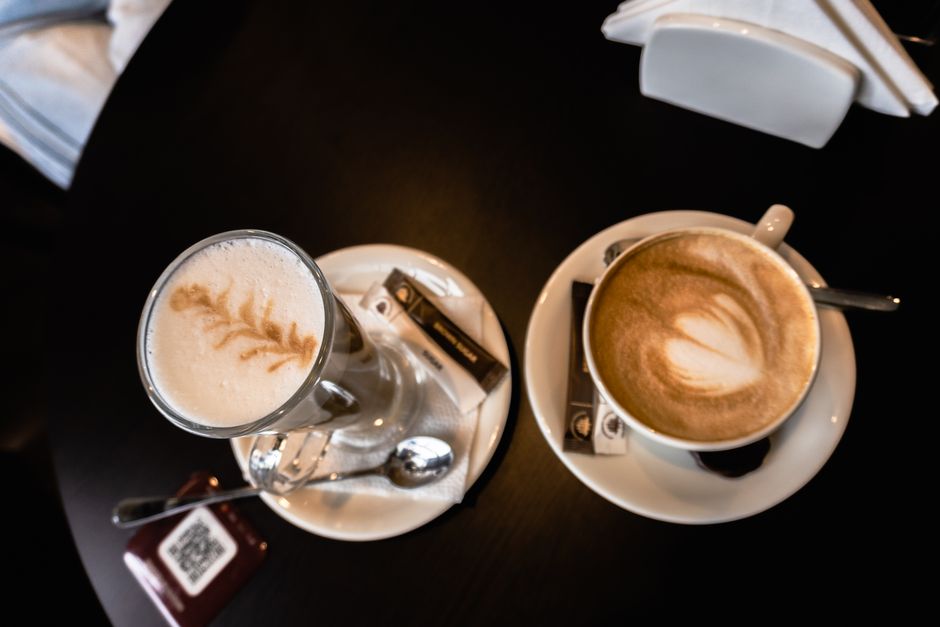
Sitting costs more. A €1.10 cappuccio at the counter becomes €2.50-€4.00 at a table in Piazza San Marco. That’s because you’re paying for the view, the waiter, and the clean tablecloth. The tradeoff: you can stay 45 minutes and nobody rushes you.
If you sit, wait for the waiter to come to you. Don’t approach the counter. Say “Vorrei un cappuccino, per favore” (I’d like a cappuccino). The waiter will bring it and a small glass of water (usually tap, sometimes bottled). You don’t tip — service is included in the coperto (cover charge) listed on the menu.
One rule: never order a cappuccino at a table after lunch. You’ll get the drink, but the waiter might think you’re odd. If you want coffee after a meal, order a caffè (espresso). That’s what Italians do.
The Digital Side: Staying Connected While You Travel
You need mobile data to find that perfect bar in Bologna or check the menu translation. Roaming charges from US or UK carriers can hit €10-€15 per day. A local SIM or eSIM is cheaper. For a 10-day trip, an eSIM from Airalo costs around €15-€20 for 5GB of data across Europe. Works instantly after you land — no physical SIM swap. Vodafone Italy also sells tourist SIMs at airports for €25 with 20GB. Both options let you Google “best caffè near me” without paying roaming fees.
Another option: carry a pocket Wi-Fi device like the GlocalMe G4 Pro (about €120). It covers 140+ countries and works as a power bank too. Useful if you’re traveling with a group and don’t want to buy five separate SIMs.
Whichever you pick, download Google Maps offline for the cities you’ll visit. That way you can navigate to Caffè Florian in Venice or Caffè Sant’Eustachio in Rome without using data.
Regional Coffee Differences You’ll Notice
Not all Italian coffee is the same. Traveling south to north changes what you get in the cup.
Naples: The birthplace of espresso. Coffee here is darker, thicker, and often pre-sweetened. Bars use a cuccumella (a special stovetop pot) at home. In public, expect a short, intense shot with a thick crema. Some Neapolitans add a bit of sugar before the espresso is poured, so it dissolves into the crema. If you don’t want sugar, say “amaro” (bitter).
Rome: Standard espresso, well-balanced. Romans drink their caffè quickly, often with a glass of water on the side. The grattachecca (shaved ice drink) isn’t coffee, but Roman bars serve it in summer. Don’t ask for a cappuccino after 10 a.m. here — Romans are strict about it.
Milan: More experimental. You’ll find specialty coffee shops with single-origin beans and pour-overs, especially near the Navigli district. But the traditional bar still serves a standard caffè at €1.20. Milan is also where the marocchino was invented — a small glass of espresso, cocoa, and milk foam. Try one at Pave or Taglio.
Turin: The home of bicerin, a layered drink of espresso, chocolate, and milk cream served in a small glass. It’s not a morning coffee — it’s a 4 p.m. dessert. Order it at Caffè Al Bicerin, the original shop from 1763.
Knowing these differences helps you order the right thing in the right city. Order a marocchino in Naples and the barista might shrug. Order a Neapolitan-style caffè in Milan and it’s fine, but you’ll get a standard espresso anyway.
Your Cheat Sheet for Any Situation
Print this or save it on your phone. It covers every common scenario.
- Ordering at the counter: “Un caffè, per favore.” Pay €1.10. Drink standing. Leave.
- Ordering at a table: “Vorrei un cappuccino.” Wait for waiter. Pay €2.50-€4.00. Stay as long as you want.
- Ordering to go: “Da asporto, per favore.” Some bars charge €0.20 extra for the paper cup. Accept it or drink there.
- Asking for no sugar: “Amaro, per favore.”
- Asking for decaf: “Un caffè decaffeinato.” Expect a slight delay — not every bar has it ready.
- Asking for a double: “Un caffè doppio.” You get two shots in one cup. Price: about €1.80.
- Paying: Hand cash or card. Say “Quanto costa?” (how much) if you’re unsure. Most bars accept contactless up to €25.
One last tip: don’t rush the barista. Italians take coffee seriously, but they don’t rush the process. A good barista pulls every shot fresh. If there’s a line, it moves fast — 10 people can be served in 3 minutes. Just state your order clearly, drink it, and go. That’s how it’s done.