
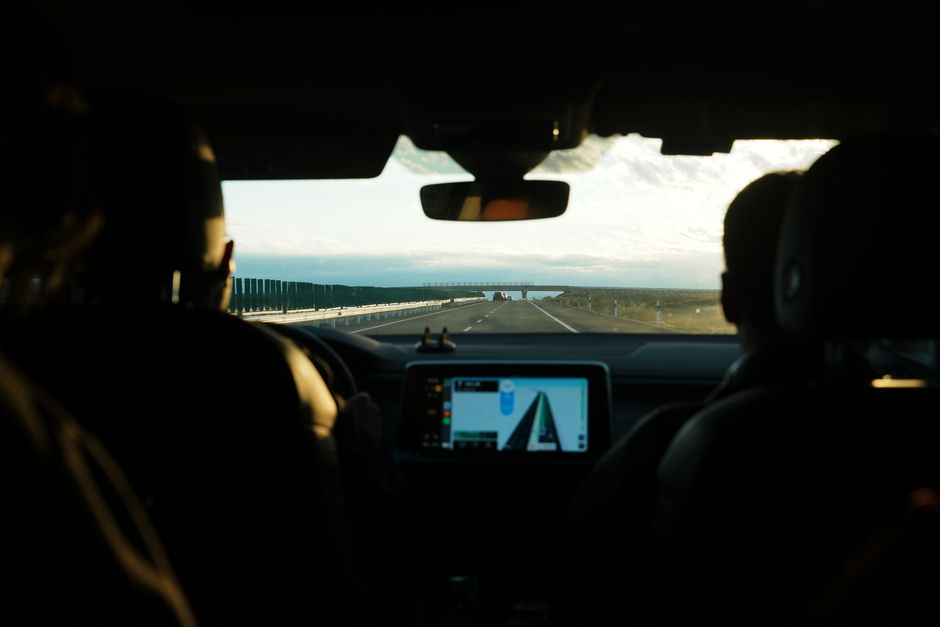
You’ve packed the bags. The car is gassed up. The GPS says 6 hours to Grandma’s house. Then your two-year-old, strapped into the car seat for exactly 17 minutes, starts the slow whine that escalates into a full scream. You haven’t even reached the highway.
This scenario is not your fault. Most parenting advice on road trips with toddlers skips the real mechanics — the timing, the gear, the legal limits. Below are six sections that cover what actually reduces the crying and keeps you driving forward.
Why Standard Trip Planning Fails with Toddlers
Adults plan trips by distance. Toddlers operate on a 45-minute attention cycle. That mismatch causes 90% of road trip meltdowns.
The core problem: a toddler’s brain cannot sustain passive sitting for more than 45–60 minutes without sensory input or movement. After that window, cortisol rises. Crying begins. No amount of snacks or toys will reset it once the stress cycle locks in.
Here is what standard trip planning gets wrong:
- Distance-based schedules (“we stop every 100 miles”) ignore time. 100 miles at 70 mph = 85 minutes. That’s 25 minutes past the toddler threshold.
- One long stop at lunch sounds efficient but forces a child to sit for 3+ hours straight before a break. That violates the 45-minute rule.
- Leaving at nap time seems smart — the child sleeps for 90 minutes. But waking up disoriented in a moving car, still strapped in, triggers a panic response that takes 20 minutes to calm.
The fix is not complicated. Plan stops every 45 minutes regardless of distance. A 10-minute stop to run around a rest area resets the clock. On a 6-hour drive, that means 6–7 stops. It adds 60–70 minutes to total trip time. That is the trade-off for a quiet car.
The 45-Minute Rule: Exact Stop Schedule

This schedule works for toddlers aged 12 months to 4 years. It assumes a 6-hour drive with a 30-minute lunch stop built in.
| Trip Segment | Drive Time | Stop Duration | Activity at Stop |
|---|---|---|---|
| Departure to Stop 1 | 45 min | 10 min | Run around parking lot, diaper check |
| Stop 1 to Stop 2 | 45 min | 15 min | Snack + walk to stretch legs |
| Stop 2 to Lunch Stop | 45 min | 30 min | Meal out of car seat, full reset |
| Lunch to Stop 4 | 45 min | 10 min | Quick run, change diaper |
| Stop 4 to Stop 5 | 45 min | 15 min | Play with a toy on grass |
| Stop 5 to Arrival | 45 min | — | Arrive |
Total drive time: 4.5 hours. Total stop time: 80 minutes. Total trip: 5 hours 50 minutes — roughly the same as a single-lunch-stop approach, but with dramatically less crying.
If your toddler falls asleep during a segment, let them sleep. Do not wake them for a stop. Let the 45-minute timer reset when they wake naturally. Sleep counts as a reset.
Gear That Reduces Meltdowns — Three Specific Items
You do not need a trunk full of toys. Three items, used correctly, cover 80% of toddler entertainment needs on the road.
Car Seat Mirror with Lights
A standard convex mirror lets you see the child. A mirror with built-in LED lights lets the child see you. That visual connection reduces separation anxiety significantly. The Shynerk Baby Car Mirror ($22, 8-inch diameter, 12 LED lights with remote control) attaches to the headrest and rotates 360 degrees. The remote lets you turn the lights on from the driver seat without reaching back. Battery life is about 40 hours of continuous light use.
Verdict: Buy one with lights. The $10 difference over a plain mirror is worth it for the first time your toddler stops crying because they can see your face.
Suction-Cup Spinner Toy
Not all toys work in a car. Things that drop become a retrieval nightmare. A suction-cup toy sticks to the window or the seatback tray. The Bright Starts Spin & Giggle ($12, 3 suction cups, 4 spinning sections) stays attached at highway speeds. It has no batteries. No sound. Just spinning parts that toddlers find hypnotic for about 8 minutes at a stretch. Rotate it to a different window position every stop to renew interest.
Verdict: The cheapest item on this list and the one most likely to buy you 30 quiet minutes across the trip.
Magnetic Drawing Board
Tablets create two problems: dropped devices and screen-time battles. A magnetic drawing board has no charging cable, no drop risk, and no blue light. The Boogie Board Magic Sketch ($25, 10-inch screen, 1/8-inch thick) uses pressure-sensitive magnetic film. It requires no stylus — a fingernail works. The erase button clears the screen instantly. At 3.5 ounces, it is light enough for a toddler to hold without dropping.
Verdict: Better than a tablet for car use. The lack of buttons and cables means less frustration for the parent.
When NOT to Use a Tablet — and What to Do Instead

Tablets are the default solution for many parents. They work for about 20 minutes, then the child wants a new video, drops the device, or gets overstimulated and starts crying anyway.
Research from the American Academy of Pediatrics (2026 guidelines) indicates that screen time in moving vehicles can cause motion sickness in children under 3 because the visual field (screen) does not match the vestibular input (car movement). The mismatch triggers nausea, which looks like fussiness. Parents interpret it as boredom and hand the tablet back, making it worse.
When NOT to use a tablet:
- During the first 45 minutes of driving (before the child has adjusted to motion)
- On winding roads with frequent turns
- When the child has not eaten in the last hour (empty stomach + motion = nausea)
- As a first resort — use toys, conversation, or music first
Instead of a tablet, try audiobooks designed for toddlers. The Little Stories for Little Ears series (available on Audible, about $8 per title) uses short 3-minute stories with sound effects. No screen. No nausea trigger. The stories are repetitive enough that a toddler can follow along without visual cues.
If you must use a tablet, mount it at eye level on the seatback in front of the child, not in their lap. The Amazon Fire HD 8 Kids Pro ($150, 8-inch screen, 12-hour battery) has a rugged case and a 2-year worry-free guarantee. Set the screen to 50% brightness or lower. Rotate between 15 minutes of video and 15 minutes of non-screen activity.
Legal and Safety Rules You Cannot Ignore
This is not legal advice — consult a licensed attorney for your specific state. But here are the general rules that apply in all 50 states as of 2026.
Car seat laws: Every state requires children under 2 to ride in a rear-facing car seat. The seat must be installed according to the manufacturer’s instructions, not just “tight enough.” The seat should not move more than 1 inch at the belt path when you tug it. If it moves more, reinstall it.
Weight and height limits: Most convertible seats (like the Graco Extend2Fit, $200, 4-in-1 design) allow rear-facing up to 50 pounds. Do not turn the seat forward-facing until the child exceeds the rear-facing weight limit. Forward-facing too early increases the risk of spinal injury in a crash by roughly 70%, according to NHTSA data.
Feeding in the car: Do not give toddlers hard foods (carrots, apples, nuts) while the car is moving. If the driver brakes suddenly, the food can become a choking hazard. Stick to soft items: yogurt pouches, mashed fruit, soft crackers. The Happy Family Organics Happy Yogis ($5 per 6-pack, freeze-dried yogurt drops) dissolve quickly and pose minimal choking risk.
Temperature: The back seat heats up faster than the front. On a 75°F day, a closed car in direct sun reaches 90°F inside within 15 minutes. Use a sunshade on rear windows. The Eclipse Magnetic Sunshade ($18 per pair, 20×28 inches, static-cling fit) blocks 99% of UV rays and drops interior temperature by about 10°F.
The 10-Minute Reset Protocol

Despite all planning, a meltdown will happen. When it does, this protocol stops it within 10 minutes or less.
- Pull over safely. Do not try to calm a screaming toddler while driving. Find a rest area, gas station, or wide shoulder within 2 minutes.
- Take the child out of the car seat. The restraint itself is often part of the problem. The child feels trapped. Removing them breaks the physical trigger.
- Walk 50 steps. Any direction. The movement resets the vestibular system. The change in scenery resets the visual system.
- Offer water. Not juice. Not snacks. Cold water in a spill-proof cup. Dehydration mimics fussiness.
- Return to the car seat with a single new item. Not the whole toy bag. One item they have not seen in the last hour. If you have rotated toys correctly (see the gear section above), you will have one ready.
- Drive for 5 minutes in silence. No music. No talking. The quiet allows the child’s nervous system to downshift from fight-or-flight to calm.
This protocol works because it addresses the four root causes of a toddler car meltdown: physical restraint, sensory overload, dehydration, and boredom. It does not treat the symptom (crying). It treats the cause (sensory dysregulation).
After the reset, resume the 45-minute stop schedule. Do not try to “make up time” by skipping the next stop. That will trigger another meltdown within 20 minutes.
The drive that started with a two-year-old screaming 17 minutes in — that same drive, with the 45-minute schedule, the right gear, and the reset protocol, becomes manageable. Not silent. Not perfect. But manageable. You reach Grandma’s house with a child who is tired, not traumatized. And you arrive calm enough to enjoy the visit.