
Wondering which East Coast road trip is actually worth your precious vacation time? I’ve driven these routes more times than I can count, from the rocky shores of Maine down to the moss-draped oaks of Georgia. Trust me, I’ve hit every pothole, found every hidden gem, and learned the hard way what makes a trip unforgettable — and what just makes you want to turn around. Forget the “perfect” itineraries you see online. I’m here to tell you what really works, what you need to prioritize, and what gear you should actually bring along for the ride.
The Classic New England Coastal Drive: My Top Pick
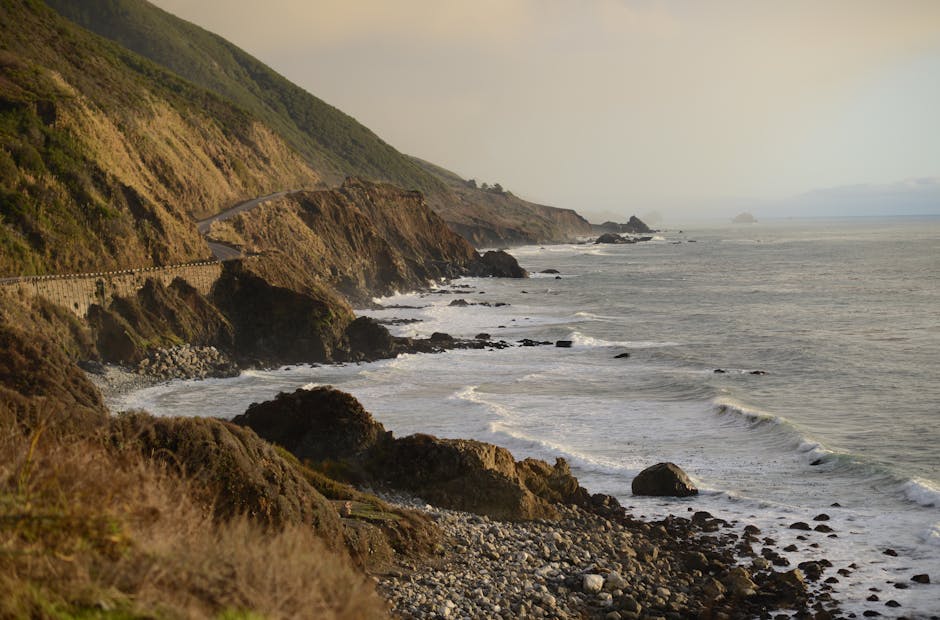
Look, if you’re going to do one East Coast road trip, make it the New England coastal drive. People always ask me, “Isn’t it just ‘more of the same’ after a while?” Absolutely not. This route, especially from southern Maine down through the Massachusetts coast, offers a blend of rugged beauty, charming towns, and incredible food that you just don’t get anywhere else. I’ve done this trip in every season, and while each has its merits, nothing beats late summer into early fall. It’s my clear winner.
Fall Foliage vs. Summer Charm
Everyone talks about New England in the fall, and for good reason. The “leaf peeping” — as they call it — is phenomenal. Think vibrant reds, oranges, and yellows exploding across the landscape, especially if you venture inland a bit. But here’s my take: fall also means crowds, especially on weekends. Prices for accommodations can spike, and getting a table at a popular restaurant in say, Kennebunkport or Newport, can be a nightmare. My preference is late summer, specifically late August or early September. The ocean is still warm enough for a dip, the days are long, and the summer crowds have mostly thinned out as kids go back to school. You get the best of both worlds: great weather and fewer headaches. Plus, fresh seafood is still abundant and generally easier to access.
Essential Stops & Scenic Detours
Start your journey in Portland, Maine. Skip the tourist traps and head straight for a lobster roll at Luke’s Lobster. It’s simple, fresh, and consistently good. From there, hug Route 1 South. Don’t rush it. Take your time in places like Kennebunkport for a quick stroll, then head to Portsmouth, New Hampshire. It’s a small city with a fantastic food scene and historic charm. From Portsmouth, I always recommend a detour to Cape Ann, Massachusetts — specifically Rockport and Gloucester. Bearskin Neck in Rockport is quintessential New England, and the working harbors of Gloucester are fascinating. After that, it’s onto Boston, a city that practically demands a few days. Don’t try to drive in Boston; park your car and use public transport. The “T” will get you everywhere you need to go. Then, continue south to Cape Cod, or if you’re looking for something different, head to Providence, Rhode Island, for some serious culinary exploration.
Planning Your East Coast Adventure: Beyond Google Maps

A good road trip isn’t just about picking a route; it’s about anticipating the bumps. I’ve been stuck in too many remote areas with no signal or a flat tire to ever leave planning to chance. You need a solid strategy for vehicle prep, budgeting, and staying connected. Relying solely on your phone’s GPS is a rookie mistake; trust me, I’ve made it.
Vehicle Prep: What You Actually Need
Before you even think about hitting the road, get your car checked. A basic oil change is fine, but ask your mechanic to specifically look at your tires, brakes, and fluid levels. Don’t skimp here. I learned this the hard way when my “perfectly fine” brakes decided to get squeaky on a steep incline in the Blue Ridge Mountains. Also, always, always have a spare tire in good condition, and know how to change it. A “fix-a-flat” kit is okay for small punctures, but it won’t save you from a sidewall blow-out. For carrying extra gear, I swear by a rooftop cargo box, something like a Thule Pulse L. It keeps your interior clutter-free and makes long drives much more comfortable. Don’t forget jumper cables, a basic tool kit, and a flashlight. Trust me, you’ll thank me later when you’re not trying to find something in the dark with your phone light.
Budgeting for the Unexpected
Everyone budgets for gas and hotels, but the real cost often comes from the “what-ifs.” A flat tire, an unexpected toll road, or that amazing seafood shack you just have to try. I always build in a 20% “contingency fund” into my travel budget. This isn’t just for emergencies; it’s for spontaneity. That last-minute whale watching tour, the boutique hotel upgrade, or that souvenir you didn’t know you needed. Also, consider signing up for a roadside assistance program like AAA. It’s saved me hundreds, if not thousands, of dollars over the years. Their basic membership, usually around $60-70 annually, pays for itself the first time you need a tow or a jump start. You can’t put a price on peace of mind when you’re hundreds of miles from home.
Staying Connected & Safe
Connectivity on the East Coast is generally good, but there are definitely dead zones, especially once you hit more rural areas or national parks. For navigation, I rely on a dedicated GPS unit like the Garmin DriveSmart 65. It doesn’t rely on cell service, has pre-loaded maps, and often shows points of interest that Google Maps misses. For staying online, I make sure my phone plan (I’m with Verizon, their coverage is generally excellent for road trips) has plenty of data, and I often bring a portable Wi-Fi hotspot from T-Mobile as a backup. It’s a lifesaver for kids in the back seat or when you need to upload photos to a cloud service. Always have a physical map as a last resort. Yes, they still exist. And for safety, share your itinerary with someone back home, and check in regularly. Simple, but effective.
Appalachian Trail Byways: A Different Kind of Coastal View
When people think East Coast, they usually think beaches. But if you’ve done the beach thing to death, or just want a change of pace, head west — to the mountains. The Appalachian Trail isn’t just for hikers; the byways that run alongside it offer incredible views and a completely different vibe. I’ve found that taking a route like the Blue Ridge Parkway — which isn’t directly on the AT but hugs the same mountain range — is a refreshing alternative to salty air and sandy toes.
- Embrace the Slow Pace: These mountain roads aren’t for speed. They’re for taking in the scenery. The speed limits are lower, and you’ll want to pull over frequently at overlooks. Don’t plan to cover huge distances each day.
- Prepare for Elevation Changes: Your car will be working harder. Make sure your fluid levels are good, especially coolant. And be mindful of your brakes on descents.
- Limited Services: Unlike the bustling coastal routes, services can be few and far between on some stretches of the Parkway. Fill up your gas tank whenever you see a station, and carry snacks and water.
Must-See Mountain Towns
Asheville, North Carolina, is a non-negotiable stop. It’s a vibrant, artsy city with fantastic breweries, farm-to-table restaurants, and a quirky atmosphere. I always carve out at least two nights here. Farther north, consider towns like Roanoke, Virginia, or if you venture off the main Parkway slightly, places like Staunton, Virginia, offer historical charm without the intense tourist crush. These towns provide a great base for exploring local hiking trails or just enjoying the mountain air.
Hiking & Outdoor Gear
Even if you’re not a serious hiker, you’ll want to do some short walks. Sturdy hiking shoes — I wear my Merrell Moab Ventilators — are a must. Skip the fashion sneakers. A small daypack for water, snacks, and a light jacket is also essential. Weather in the mountains can change fast, so layering is key. Don’t forget bug spray, especially in the warmer months. And if you’re bringing your furry friend, ensure they have appropriate gear too — a good leash and collapsible water bowl are non-negotiables for my dog, Max.
Navigating City Traffic: My One Non-Negotiable Rule

Never, ever drive your personal vehicle into major East Coast cities like New York, Boston, or Washington D.C. It’s a trap. Parking is a nightmare, traffic is soul-crushing, and you’ll spend more time fuming than exploring. Park at a suburban train station and take public transit in. You’ll save money, time, and your sanity.
East Coast Road Trip Gear: What I Actually Use
After countless trips, I’ve got my gear choices dialed in. I’ve wasted money on flimsy coolers and unreliable navigation apps, so you don’t have to. Here’s what I actually pack and why.
Navigation System Face-Off
Forget your phone for primary navigation. It drains your battery, loses signal in the worst places, and isn’t designed for constant screen time in a hot car. I’ve tried them all, and there’s a clear winner.
| Feature | Garmin DriveSmart 65 | Waze (Phone App) | Google Maps (Phone App) |
|---|---|---|---|
| Offline Maps | Yes, pre-loaded | Limited (requires download) | Limited (requires download) |
| Traffic Alerts | Yes, via smartphone link | Excellent, real-time crowdsourced | Good, real-time |
| Battery Life | Dedicated power source | Drains phone quickly | Drains phone quickly |
| Screen Glare | Optimized for car use | Varies by phone | Varies by phone |
| Voice Commands | Reliable | Good | Good |
| Overall Verdict | BEST for reliability and dedicated function. My go-to. | Great for city traffic, but needs signal. | Good all-rounder, but not always offline-friendly. |
The Garmin DriveSmart 65 (around $200) wins for pure road trip reliability. You plug it in, set your destination, and it just works, no signal needed. Waze is fantastic for real-time traffic, but only as a secondary check when I have signal. Google Maps is a solid backup, but it’s not my primary for crucial navigation.
Cooler Showdown
A good cooler is essential for snacks, drinks, and keeping restaurant leftovers safe. I’ve been through a few, and the price difference really does matter for insulation.
| Feature | YETI Tundra 45 | RTIC 45 QT | Coleman Xtreme 50 Quart |
|---|---|---|---|
| Ice Retention | 5-7 days | 5-7 days | 3-5 days |
| Durability | Extremely high | Very high | Moderate |
| Capacity | 32 cans | 36 cans | 70 cans |
| Price | ~$325 | ~$250 | ~$50 |
| Overall Verdict | BEST for long trips, superior build. My investment. | Excellent value, nearly matches YETI. | Good budget option for shorter trips. |
For me, the YETI Tundra 45 is worth the investment (about $325). It keeps ice for days, which means fewer stops for more ice, and my food stays genuinely cold. The RTIC is a very close second, offering similar performance for a bit less. The Coleman Xtreme is fine for a day trip or a casual picnic, but it won’t cut it for a multi-day journey.
Southern Charm & Beaches: Unpacking the Carolina-Georgia Loop
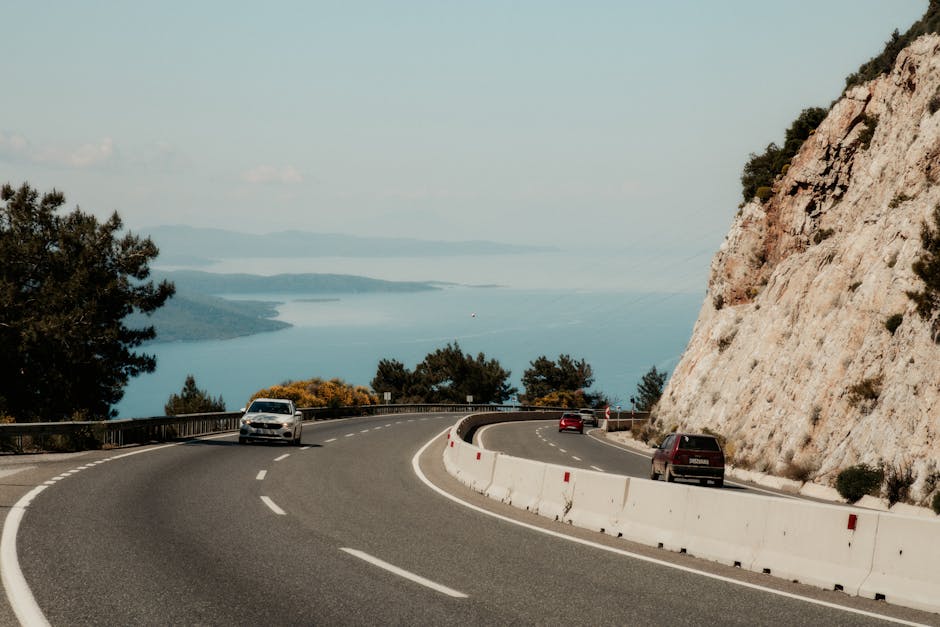
If you’re craving a mix of history, delicious food, and stunning coastline, the loop through coastal Carolinas and Georgia is unbeatable. I always recommend this route for people who appreciate slower travel and genuine Southern hospitality.
What’s the best time to visit?
Hands down, spring (April-May) or fall (late September-November). The summers are brutally hot and humid, and frankly, too crowded. Spring brings blooming azaleas and comfortable temperatures, perfect for walking around historic Charleston or Savannah. Fall offers similar mild weather and fewer tourists, though you risk hurricane season in September/October. I prefer late April — the weather is fantastic, and the crowds haven’t peaked yet.
Are there any hidden gems for foodies?
Absolutely. Everyone knows Charleston and Savannah have incredible food scenes, but don’t overlook some of the smaller towns. Try a “calabash-style” seafood restaurant in the Calabash, North Carolina area — it’s fried, yes, but it’s a local specialty. In Charleston, skip the obvious tourist traps and try Husk (for upscale Southern) or Lewis Barbecue (for incredible brisket). In Savannah, Mrs. Wilkes’ Dining Room is an institution — expect a wait, but it’s worth it for the family-style Southern cooking. And for a unique experience, explore the Gullah Geechee Corridor — particularly on St. Helena Island near Beaufort, SC — for authentic Lowcountry flavors.
How long should I plan for this route?
To do it justice, you really need at least 7-10 days. This allows for 2-3 days in Charleston, 2-3 days in Savannah, and then time to explore the Outer Banks of North Carolina, or maybe a detour to Tybee Island off Savannah. Rushing this trip means missing out on the charm and history. You need time to wander, sit on a porch, and really soak it all in. I usually aim for 9 days, giving me enough breathing room to spontaneously add a stop or linger longer in a town I love.
So, there you have it. My honest take on hitting the East Coast roads. Whether you’re chasing lighthouses in New England, tackling mountain passes, or savoring Lowcountry cooking, these routes offer something special. Just remember my advice: prep your car, budget smart, and for the love of all that is holy, don’t drive into Manhattan. Do that, and your next East Coast road trip will be one for the books.