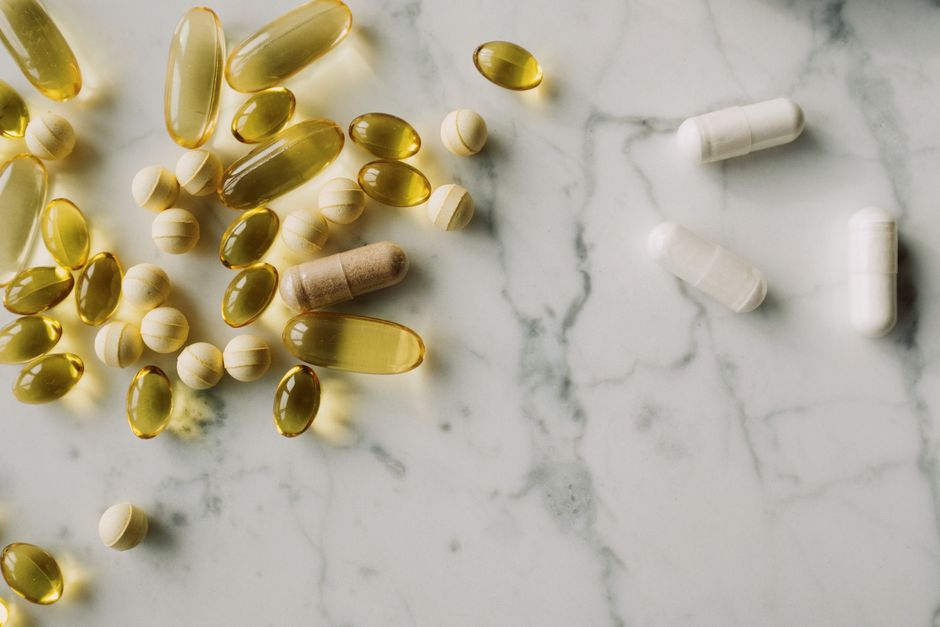
Most travelers assume Japan — land of the 24-hour Don Quijote and vending machines that sell literally everything — will have some miracle jet lag pill. They land at Narita, stumble into a drugstore, and grab the first box with a crescent moon on it.
That box is usually an antihistamine. You’ll sleep, sure. But you’ll wake up feeling like you got hit by the Yamanote Line.
Japan’s approach to jet lag is different from what you’ll find in the US or Europe. Melatonin — the first thing any American traveler reaches for — is technically prescription-only here. But the country has its own alternatives, some backed by solid research, others riding on marketing and caffeine. Here’s what actually works.
The Melatonin Problem: Why Your Go-To Fix Isn’t on the Shelf
In the US, you grab a bottle of 5mg melatonin gummies at CVS for $8. In Japan? Melatonin is classified as a pharmaceutical ingredient, not a supplement. You cannot buy it over the counter at any drugstore — not Matsumoto Kiyoshi, not Welcia, not Sugi Pharmacy. Period.
This surprises a lot of travelers. They pack light, skip the melatonin, assuming they’ll just buy it in Tokyo. Then they’re wide awake at 3 a.m. in a Shinjuku hotel room, scrolling Google for “melatonin Japan” and finding nothing useful.
You have three options:
- Bring it from home. Japan allows up to a two-month supply of personal medication without paperwork, including melatonin. Keep it in the original bottle. Don’t bring a giant Costco tub — customs may flag quantities that look like distribution.
- See a Japanese doctor. A clinic visit runs about ¥3,000–¥5,000 without Japanese insurance. They can prescribe melatonin, but many doctors are unfamiliar with it as a sleep aid and may default to stronger sedatives. Not ideal.
- Use Japanese alternatives. This is the practical route. Japan has its own sleep-regulation drugs that work differently — and in some cases, better — than melatonin.
What Happens If You Try to Import Melatonin by Mail
Don’t. Japan’s drug import laws are strict. Customs will seize packages containing melatonin supplements, and you’ll get a formal letter — or worse, a visit — explaining you’ve attempted to import an unapproved pharmaceutical. It’s not worth the risk.
Japanese Jet Lag Medicines That Actually Have Clinical Backing
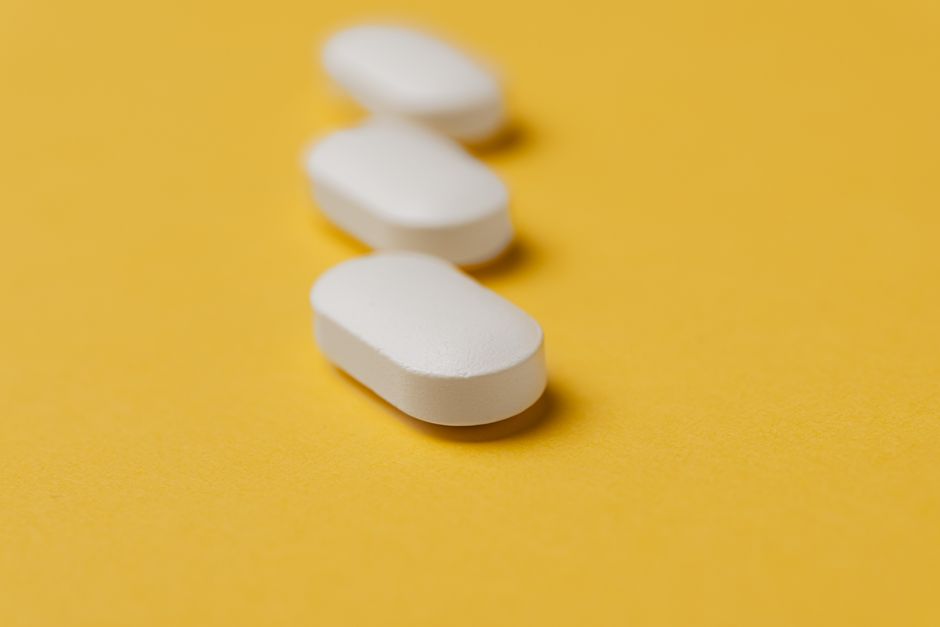
Japan’s pharmaceutical industry has developed two drugs specifically for sleep rhythm disorders. These aren’t herbal teas or bath salts — they’re prescription medications with genuine research behind them.
| Drug Name | Active Ingredient | How It Works | Prescription Required? | Approx. Cost |
|---|---|---|---|---|
| Rozerem | Ramelteon (8mg) | Melatonin receptor agonist — binds to the same receptors as melatonin but with higher affinity | Yes | ¥2,500–¥4,000 for 14 tablets |
| Belsomra | Suvorexant (15mg/20mg) | Orexin receptor antagonist — blocks the brain’s wakefulness signal rather than inducing sleep | Yes | ¥3,000–¥5,000 for 14 tablets |
Rozerem is the closest thing Japan has to a direct jet lag treatment. Ramelteon, its active ingredient, targets the same brain receptors as melatonin but binds roughly 3 to 5 times more strongly. It’s approved specifically for sleep-onset insomnia — exactly what you’re dealing with when your body thinks it’s 2 p.m. but Tokyo says it’s midnight. It’s non-addictive and doesn’t cause the morning grogginess that antihistamines do.
Belsomra takes a completely different approach. Instead of making you sleepy, it turns off your brain’s “stay awake” signal by blocking orexin, a neuropeptide that regulates wakefulness. It’s more expensive and can cause next-day drowsiness in some people. For jet lag specifically, Rozerem is the better first choice.
Both require a clinic visit. In tourist-heavy areas like Shinjuku and Shibuya, several English-speaking clinics can prescribe these. Expect to pay ¥5,000–¥8,000 total for the consultation plus medication.
Over-the-Counter Sleep Aids at Japanese Drugstores: What’s Worth Buying
Walk into any Matsumoto Kiyoshi and you’ll find an aisle of sleep aids. Ninety percent of them are just repackaged antihistamines. The active ingredient is almost always diphenhydramine — the same thing in Benadryl. It’ll knock you out, but the sleep quality is poor, and the hangover is real.
Here’s what to skip and what to consider:
- Drewell (ドリエル): Diphenhydramine hydrochloride, 50mg. This is Japan’s best-selling OTC sleep aid. It works for one night. Maybe two. By night three, tolerance builds, and the morning grogginess outweighs the benefit. Fine for the first night in Japan. Not a jet lag strategy.
- Rishiri Kombu (利尻昆布) Sleep Supplements: These contain glycine, an amino acid that slightly lowers core body temperature and may improve sleep onset. The evidence is thin. At ¥1,500–¥2,000 per bottle, you’re paying for the kombu branding, not results.
- Yakult’s “Yasumu” Drink: A tiny 100ml bottle containing GABA and theanine. GABA theoretically calms neural activity. In practice, the effects are subtle at best. Tastes fine. Won’t fix a 12-hour time difference.
The honest verdict: Japan’s OTC sleep aids are bandaids. They’ll buy you one decent night. They won’t reset your circadian rhythm. If you’re staying more than three days, don’t rely on them.
Energy Drinks and the Japanese “Tired but Wired” Trap
Japan’s convenience store energy drink selection is staggering. Lipovitan D. Tiovita. Alinamin V. Tiny 100ml bottles with aggressive gold and red packaging, priced at ¥150–¥300 each. They contain taurine, B vitamins, caffeine, and sometimes nicotinamide.
Travelers often reach for these to power through afternoon slumps. The logic seems sound: you’re exhausted at 3 p.m., you need to stay awake until 9 p.m. to adjust, so you grab a Lipovitan.
This backfires. Caffeine has a half-life of about 5 hours. A 3 p.m. energy drink means 50% of that caffeine is still in your system at 8 p.m., and 25% at 1 a.m. You’ve just traded an afternoon slump for a sleepless night. The cycle repeats the next day. By day four, you’re running on caffeine and antihistamines, and your sleep rhythm is more wrecked than when you landed.
If you need an afternoon boost, stick to green tea or a single canned coffee before 2 p.m. Avoid the energy drink aisle entirely for the first three days.
What Japanese Business Travelers Actually Use (It’s Not What You Think)
Japanese salarymen fly long-haul constantly — Tokyo to New York, Tokyo to London, Tokyo to Singapore. They’ve developed their own jet lag protocols, and they don’t involve drugstore sleep aids.
The most common approach among frequent Japanese business travelers:
- Strategic fasting. They skip the in-flight meal and eat on the destination’s schedule immediately upon arrival. This leverages the gut’s circadian rhythm — your digestive system has its own clock, and resetting it through meal timing is one of the fastest ways to shift your overall rhythm.
- Morning light exposure, no sunglasses. This is non-negotiable. They go outside within 30 minutes of waking at the destination, no sunglasses, for at least 15 minutes. Morning sunlight hitting the retina triggers cortisol release and suppresses melatonin, anchoring the sleep-wake cycle.
- Bath timing, not bath products. A hot bath 90 minutes before bed raises core temperature, and the subsequent drop signals the body to sleep. Japanese business hotels almost always have a deep soaking tub. They use it strategically, not just for relaxation.
- Ramelteon (Rozerem) when needed. For trips shorter than four days where full adjustment isn’t possible, they’ll use Rozerem to force sleep on the destination schedule and their home schedule upon return.
Notice what’s missing: no energy drinks, no antihistamines, no herbal supplements. The protocol is behavioral first, pharmaceutical second.
Your Japan Jet Lag Kit: What to Pack and What to Buy
After landing in Japan more than a dozen times from time zones ranging from 8 to 14 hours different, here’s the approach that consistently works.
Pack from home:
- Melatonin, 3mg or 5mg tablets. Bring enough for the first four nights and the first two nights back home. Keep them in your carry-on in the original bottle.
- An eye mask that actually blocks light. Japanese hotel curtains are good but rarely perfect. The Mavogel Cotton Sleep Mask costs about $12 and doesn’t press on your eyelids.
Buy in Japan:
- Drewell, only if you didn’t bring melatonin and only for night one. One box of 6 tablets costs about ¥1,200 at any drugstore.
- A hot/cold eye mask from Muji. About ¥900. Microwave it, put it on for 10 minutes before bed. The heat relaxes the eye muscles and the ritual signals bedtime.
- Pocari Sweat powder packets. Dehydration worsens jet lag symptoms. One packet in a bottle of water costs ¥150 and replaces electrolytes better than plain water.
Skip entirely:
- Rishiri Kombu sleep supplements
- Any energy drink sold in a 100ml brown glass bottle
- Herbal sleep teas from Don Quijote (they’re just chamomile with premium packaging)
Japan doesn’t have a magic jet lag pill. What it has is a pharmaceutical system that takes sleep seriously, with prescription options that genuinely work better than what most travelers bring from home. Rozerem, specifically, is worth the clinic visit if you’re staying less than a week and need to be functional immediately. For everyone else, pack melatonin, eat on the destination schedule, and get outside within 30 minutes of waking. That combination beats anything in a drugstore box.