I spent three months backpacking through Thailand, Vietnam, Laos, and Cambodia in early 2026. The short answer: yes, it’s still affordable — but not like the stories you heard from 2019. Budgets have shifted. The $20/day fantasy is dead for most routes. Here’s what actually costs what, and where you can still stretch your money.
What $30/Day Actually Buys You in 2026
That $30/day figure gets thrown around a lot. In 2026, it means different things in different countries.
| Country | Dorm bed/night | Street meal | Beer (local) | Daily minimum |
|---|---|---|---|---|
| Thailand | $8–$12 | $2–$3 | $2 | $28–$35 |
| Vietnam | $5–$8 | $1–$2 | $0.80 | $20–$25 |
| Laos | $4–$7 | $1.50–$2.50 | $1 | $18–$22 |
| Cambodia | $5–$9 | $2–$3 | $1 | $22–$28 |
Those minimums assume you stick to street food, local buses, and hostels. Add a single tourist activity — an Angkor Wat day pass ($37) or a Ha Long Bay boat tour ($45–$60) — and your daily average jumps fast.
My verdict: Vietnam and Laos are still the best value. Thailand’s popular islands (Phi Phi, Koh Samui) now cost closer to $40–$50/day if you want a private room and a couple of drinks.
The Biggest Budget Killer Nobody Talks About
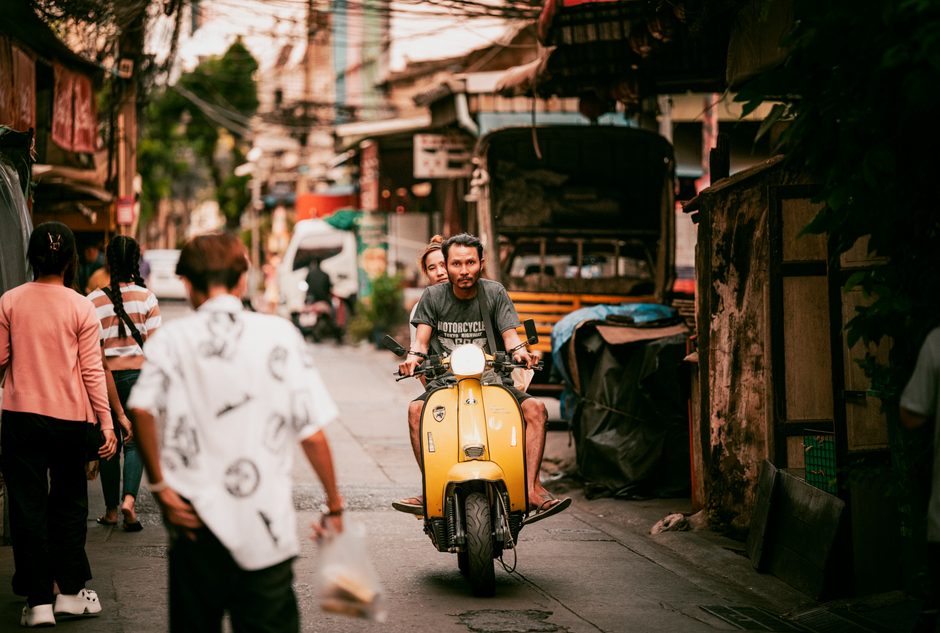
Transport between countries eats more money than most first-timers expect.
A bus from Bangkok to Chiang Mai costs $12–$18. A flight from Chiang Mai to Luang Prabang runs $60–$90. The slow boat down the Mekong from Huay Xai to Luang Prabang costs $30–$40 for the two-day trip, plus food and accommodation along the way.
I used 12Go Asia to compare bus, train, and ferry prices across routes. Their platform shows real-time availability for most major connections in Thailand, Vietnam, and Cambodia. Booking through them saved me around 15% compared to walking up to a ticket counter at the station.
One mistake I made: booking a night bus without checking the seat configuration. The $10 VIP bus from Hanoi to Sapa had 20 seats crammed into a space meant for 12. I barely slept. Spend the extra $5 for a reputable company like Camel Travel or The Sinh Tourist.
When flying actually makes sense
Air Asia and VietJet frequently run flash sales. I grabbed a one-way from Bangkok to Chiang Mai for $22 including a checked bag. For distances over 500km, a budget flight often beats a 12-hour bus ride in both time and comfort.
Where Your Money Goes Further in 2026
Not all of Southeast Asia got expensive. Here are three places where my dollar stretched noticeably further.
- Chiang Mai, Thailand: A private room with AC in the Old City costs $10–$15. Khao soi at a local stall runs $1.50. Cooking classes start at $18. I stayed a full month and averaged $27/day including a scooter rental.
- Da Lat, Vietnam: This highland city is cheaper than Ho Chi Minh City by about 30%. A dorm bed costs $4. A bowl of bánh canh runs $1.20. The canyoning tour I booked cost $35 — half the price of similar activities in Thailand.
- Vang Vieng, Laos: Still the budget backpacker hub of Laos. Dorm beds go for $4–$6. A full day tubing with lunch and transport costs $15. Beer Lao at the riverside bars is $1.
The trap: These cheap bases make you spend more on activities. I budgeted $25/day for Vang Vieng and ended up at $40 because I booked a hot air balloon ride ($90) and a kayaking trip ($25) on the same day.
Haggling, Scams, and Other Money Drains
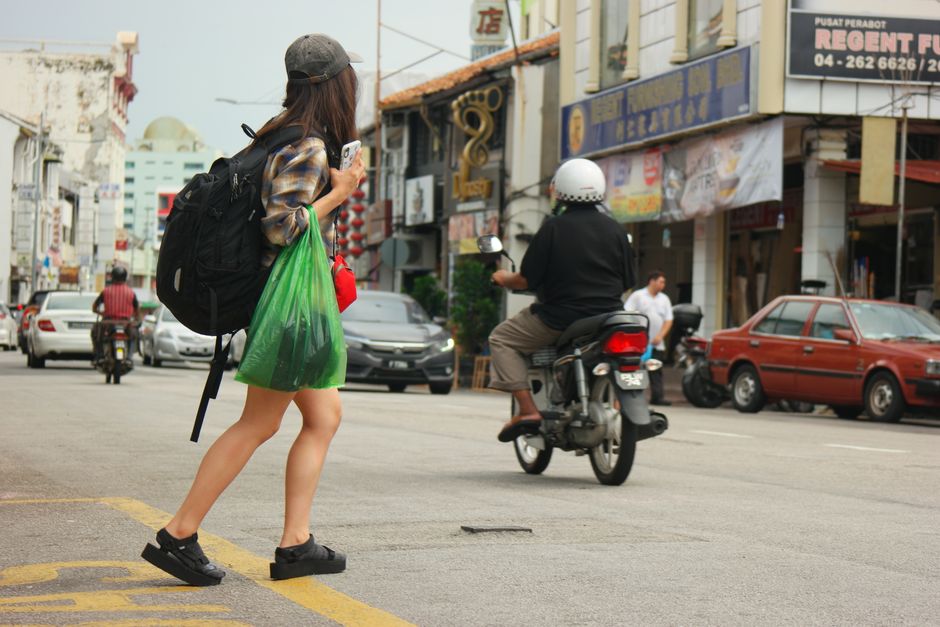
I got scammed twice in my first two weeks. Both were small amounts — $5 here, $8 there — but they add up.
Common scams still active in 2026:
- Tuk-tuk drivers in Bangkok quoting 300 baht for a 2km ride (real price: 80–100 baht with Grab).
- Tailors in Hoi An quoting $80 for a suit that costs $35 from a reputable shop like Yaly Couture.
- Currency exchange counters at airports offering 5–8% below market rate. I lost $12 on a $150 exchange at Suvarnabhumi Airport before I learned to use Wise for ATM withdrawals instead. Wise gives you the mid-market rate with a 0.43% fee. I used it for every ATM withdrawal after week one and saved roughly $30 over three months.
My rule: Never pay the first price offered for anything over $10. Walk away. Come back 10 minutes later. The price usually drops by 20–30%.
Should You Book Hostels in Advance or Wing It?
I tested both approaches across 18 cities.
Booking in advance (1–2 weeks ahead) cost me 10–20% more on average. But it guaranteed a bed at the popular hostels — Mad Monkey in Phnom Penh, The Common Room in Chiang Mai, Lub d in Bangkok. These places sell out during peak season (November–February).
Winging it worked fine in low season (May–September). I walked into hostels in Vientiane and Nha Trang at 5pm and got dorms for $5–$7. The tradeoff: sometimes the only bed left was in a 16-bed room with thin mattresses and no AC.
I used Hostelworld for advance bookings. Their cancellation policy is flexible — most bookings let you cancel 24 hours before check-in with no fee. That saved me twice when my bus got delayed and I couldn’t make it to a city on time.
My recommendation: Book the first two nights in each new city in advance. After that, extend at the front desk — most hostels give you 10–15% off for walk-in extensions.
The Real Verdict for 2026
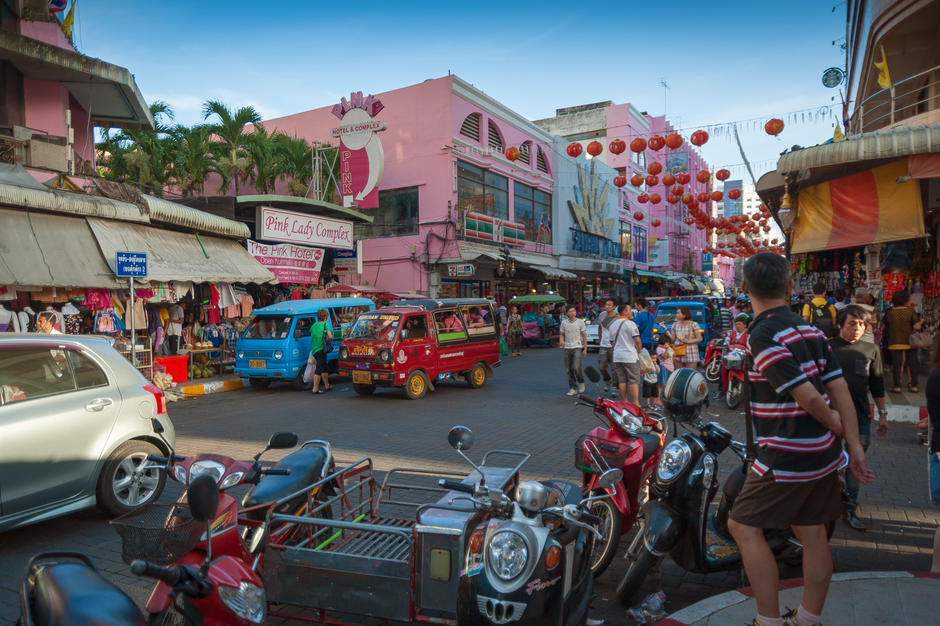
Backpacking Southeast Asia in 2026 costs more than it did in 2019, but it’s still the cheapest long-term travel region on the planet outside of South Asia.
For a comfortable trip — private room every third night, one paid activity per day, three meals plus a beer — budget $35–$45/day in Thailand and Cambodia, $28–$35/day in Vietnam and Laos.
If you want to stretch further: stick to Vietnam and Laos for the bulk of your trip. Skip the Thai islands unless you have extra cash. Use Wise for ATM withdrawals, book buses through 12Go Asia, and book hostels through Hostelworld for the cancellation flexibility.
Bottom line: A 60-day trip costs $1,800–$2,700 depending on your route and style. That’s still cheaper than two months in Europe or three weeks in Japan. Southeast Asia isn’t the steal it was a decade ago. But it’s still the best deal in long-haul travel.
This is not financial advice. Exchange rates and prices change. Always check current rates before traveling.