
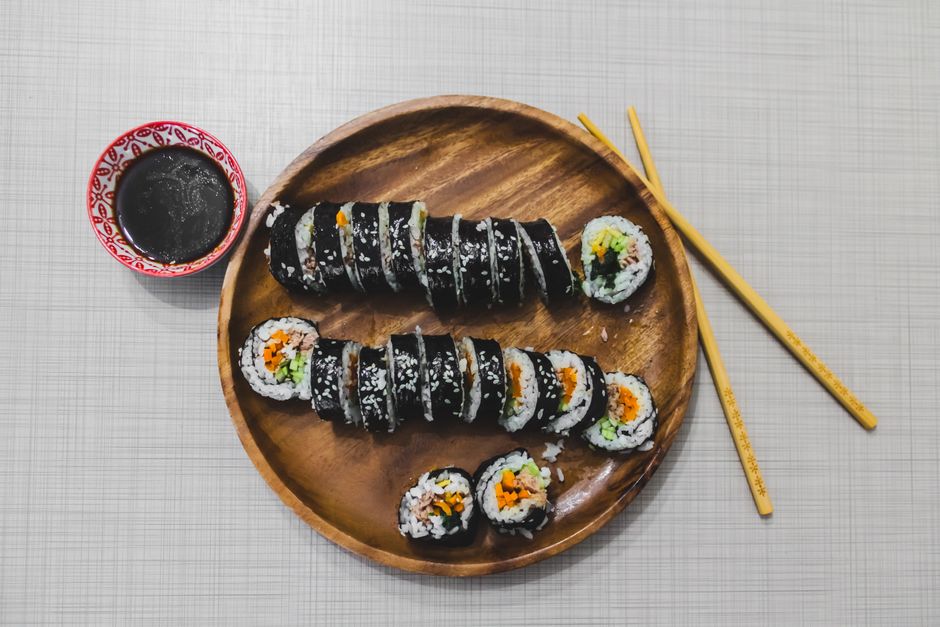
You land at Narita after 12 hours. You’re starving. You walk into a tiny ramen shop in Shinjuku, sit down, and immediately start rubbing your chopsticks together. The chef glares. The couple next to you shifts uncomfortably. You have no idea what you did wrong.
That scene plays out thousands of times a week. Japan’s dining culture is a minefield if you don’t know the rules. But the food is some of the best on earth. Here’s how to eat well and not offend anyone doing it.
Why Japan’s Food Culture Confuses Most Tourists
Japan has the highest density of Michelin-starred restaurants per capita in the world — 414 stars across the country as of the latest guide. But 90% of tourists never step into one. They eat at conveyor belt sushi spots, convenience stores, and ramen counters.
The problem isn’t the food. It’s the rules. Chopstick etiquette alone has 12 distinct no-nos. Passing food chopstick-to-chopstick mimics a funeral ritual. Sticking chopsticks upright in rice is done only for the dead. Pouring your own drink is considered rude.
Most first-timers know none of this. They make mistakes, feel embarrassed, and miss the real experience. The underlying need isn’t just a list of dishes. It’s confidence. You want to walk into any restaurant in Japan and know exactly what to do.
The Cost of Getting It Wrong
One wrong move can kill the vibe. A friend of mine was asked to leave an upscale sushi bar in Ginza after he asked for chopsticks for his sushi. The chef took it as an insult to his craft. Sushi is meant to be eaten with fingers. That’s the rule.
Getting etiquette right means the chef treats you better. You get better service, better cuts of fish, sometimes a free drink. It matters.
The 5 Dishes You Must Order (and How to Eat Each One)
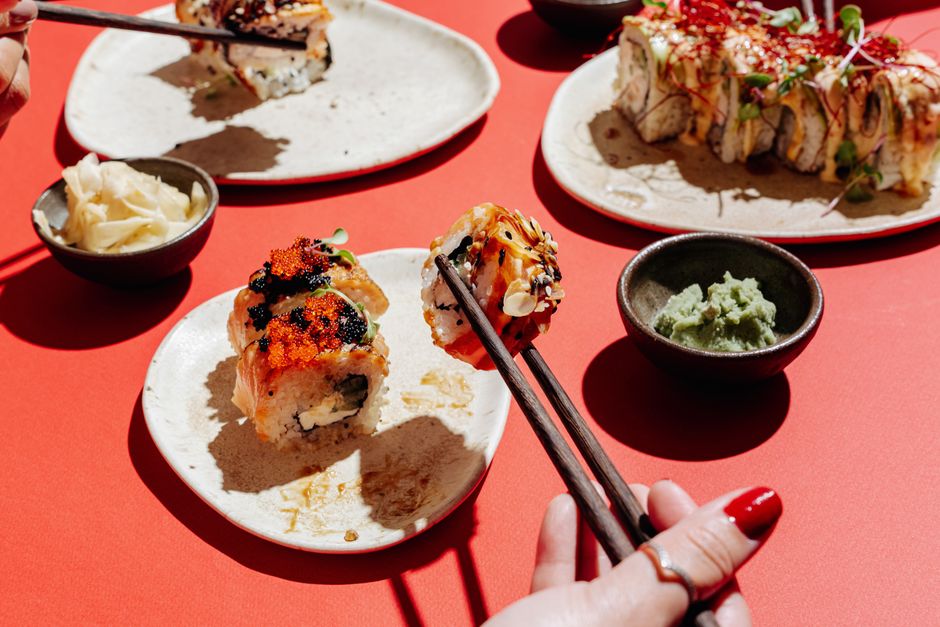
Skip the tourist traps that serve “Japanese curry” and teriyaki chicken. These five dishes represent the real Japan. Each one has a specific eating protocol.
| Dish | Best Place to Try | Price Range (JPY) | Key Eating Rule |
|---|---|---|---|
| Ramen | Ichiran (Shinjuku) or local hole-in-wall | 800–1,200 | Slurp loudly. It shows appreciation. |
| Sushi (nigiri) | Sushi Dai (Tsukiji Outer Market) or Uobei (conveyor belt) | 150–600 per piece | Eat with fingers. Dip fish-side into soy sauce. |
| Okonomiyaki | Chibo (Osaka) or Mizuno (Hiroshima-style) | 1,000–2,000 | Cook it yourself at the table. Don’t flip it. |
| Yakitori | Torikizoku (chain) or Omoide Yokocho (Shinjuku) | 200–400 per skewer | Order 5-6 skewers at once. Salt or tare sauce. |
| Katsu Curry | Coco Ichibanya (any branch) | 800–1,500 | Eat curry with a spoon, not chopsticks. |
Ramen: The Slurp Is Mandatory
Westerners are taught not to slurp. In Japan, silent eating means you don’t like the food. Slurping aerates the broth and cools it down. It’s a compliment. Aim for audible slurps every 3-4 bites. The chef will notice and appreciate it.
At Ichiran, you sit in a private booth. You fill out a sheet specifying broth richness, noodle firmness, and spice level. Start with “normal” on everything. Order a soft-boiled egg and extra chashu pork.
Sushi: Fingers, Not Chopsticks
Here’s the rule that shocks most people: sushi nigiri is finger food. The chef shapes it by hand for a reason. Chopsticks are for sashimi only.
Dip the fish side into the soy sauce. Not the rice. Rice absorbs soy sauce instantly and the piece falls apart. Eat the whole piece in one bite. Ginger is a palate cleanser between different fish types, not a topping.
Okonomiyaki: The Osaka vs. Hiroshima Debate
Osaka style mixes all ingredients into the batter. Hiroshima style layers them. Both are correct. The mistake tourists make is trying to flip the pancake themselves. Leave it to the cook or the hot plate. You’ll end up with scrambled eggs on the table.
Use the metal spatula to cut and eat. Apply okonomi sauce, mayo, bonito flakes, and seaweed powder. Don’t skip the mayo — it’s Japanese Kewpie, not American Miracle Whip.
7 Critical Etiquette Rules Most Tourists Break
These rules aren’t optional. Break them and you’ll get stares. Break them at a high-end restaurant and you might get asked to leave.
- Never stick chopsticks upright in rice. This is done only at funerals. Place them on the chopstick rest (hashioki) across the bowl when not eating.
- Don’t pass food from chopsticks to chopsticks. This also mimics a funeral ritual where bones are passed between family members. Use the serving chopsticks or set the food down on the plate.
- Pour drinks for others, not yourself. Watch someone’s glass. When it’s half empty, refill it. They’ll do the same for you. If your glass is empty, wait. Someone will pour.
- Say “itadakimasu” before eating and “gochisousama” after. Itadakimasu means “I humbly receive.” Gochisousama means “thank you for the feast.” Say both. Every time.
- Don’t tip. Tipping is insulting in Japan. Good service is expected. Leave exact change or pay at the register. No tip jar exists.
- Remove shoes before entering. This applies to traditional restaurants, ryokans, and many izakayas. Look for a genkan (sunken entryway). Your shoes go there. Slippers are for hallways, not tatami mats.
- Don’t eat while walking. It’s considered messy and rude. Finish your convenience store food at the store or find a bench. Eating on the train is also frowned upon for strong-smelling food.
Izakaya: The One Place Where Rules Loosen
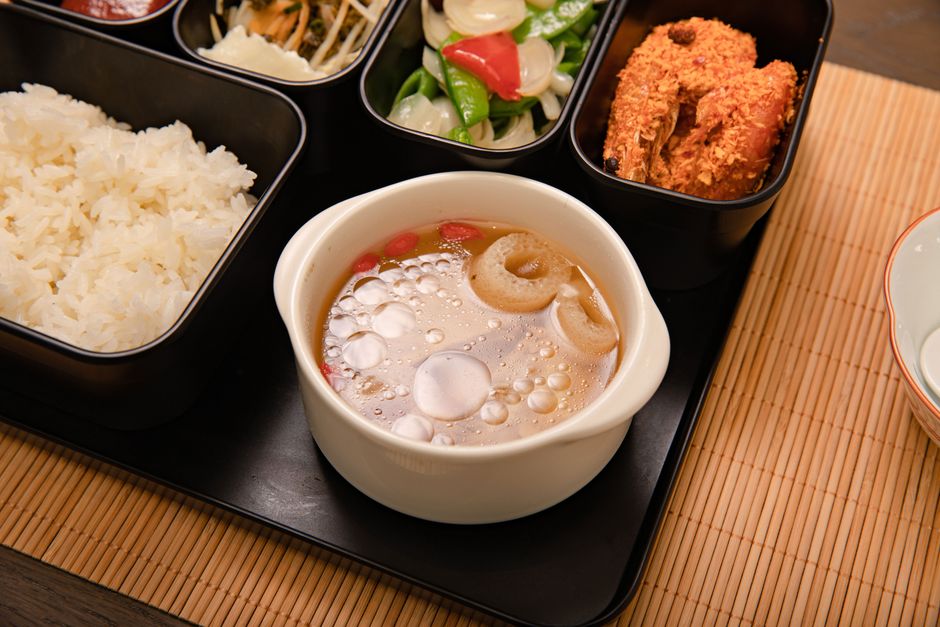
Izakayas are Japanese pubs. They’re loud, smoky, and chaotic. This is where rules relax. You can talk loudly, order random skewers, and drink beer from a bottle. But there are still a few things to know.
Order a round of drinks first. Everyone gets the same thing unless someone specifies otherwise. The common opener is “toriaezu biru” (beer for now). When the first round arrives, wait for someone to say “kampai” before drinking. Don’t clink glasses with the rim — clink the body of the glass instead.
Food comes as you order it. Small plates. Share them. The bill is usually one check per table, not per person. Splitting evenly is standard. Don’t fight over the bill — that’s a Western habit.
Most izakayas have a cover charge (otoshi) of 300-500 yen per person. It’s not a scam. It’s a small appetizer they bring automatically. Eat it.
Convenience Store Dining: The Secret Weapon
Japanese convenience stores (konbini) — 7-Eleven, FamilyMart, Lawson — are a lifeline for budget travelers. The food quality is shockingly high. Onigiri (rice balls), egg salad sandwiches, fried chicken (karaage), and pudding are all excellent.
But there’s etiquette here too. Don’t eat inside the store. Pay first, then eat outside or at designated seating areas. Most konbini have a small counter with a microwave and hot water dispenser. Use the microwave for bento boxes. Use the hot water for instant ramen cups.
Onigiri comes wrapped in plastic. The nori (seaweed) is separated from the rice to keep it crispy. Peel the plastic according to the numbered steps printed on the wrapper. Pull tab 1, then 2, then 3. The nori wraps around the rice automatically. It’s genius.
When to Skip a Restaurant Entirely
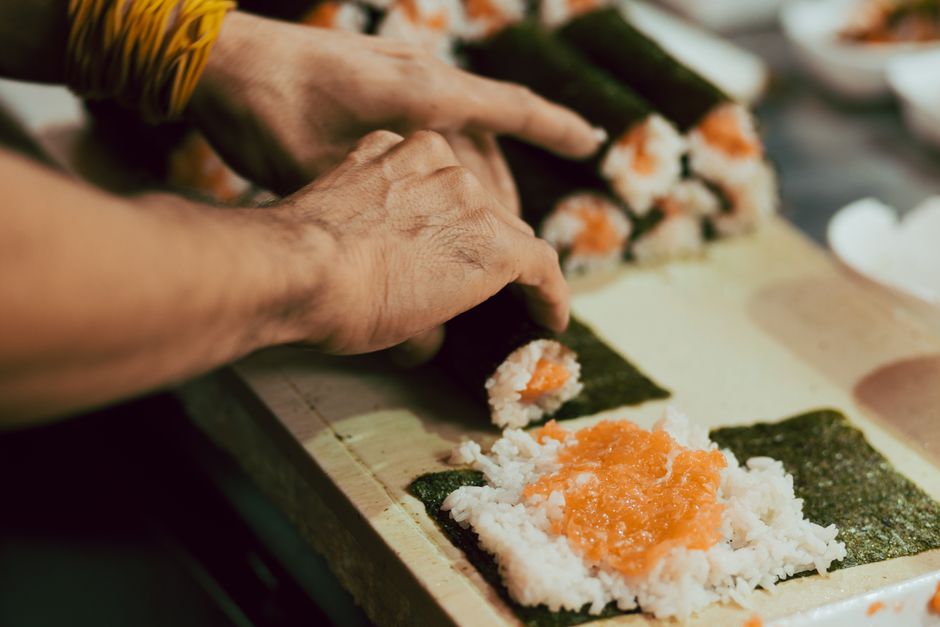
Not every restaurant in Japan is worth your time. Here’s when to walk away.
If a restaurant has an English menu with pictures displayed outside, and a staff member standing outside trying to pull you in, it’s a tourist trap. The food will be mediocre and overpriced. Walk another block.
If the restaurant is near a major train station exit and has a conveyor belt for sushi, check the price. Anything under 100 yen per plate means the fish was frozen. It’s fine for a quick meal but not the real experience. Pay 200-300 yen per plate at a mid-tier place like Sushiro or Kura Sushi.
If the restaurant is on the second floor or in a basement, it’s probably good. The best ramen shops in Tokyo are hidden in basements of office buildings. No sign. No English. 12 seats. That’s where you want to be.
If you see a line of locals outside at 11:30 AM, get in line. That’s the signal for quality. Japanese people don’t queue for bad food.