
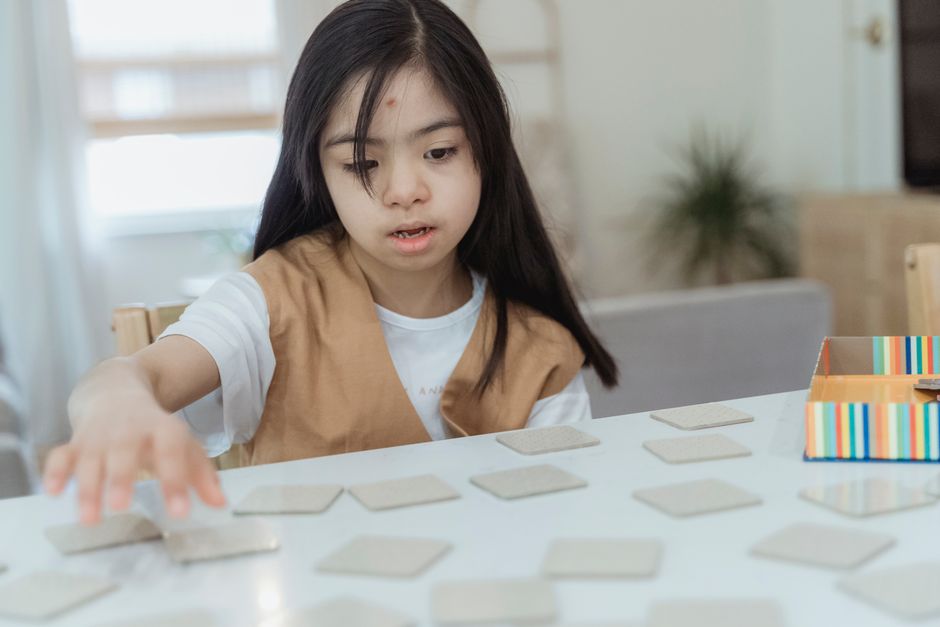
I’ve driven from Sydney to Melbourne with a 4-year-old and a 7-year-old. Twice. The first time, I packed a tablet with downloaded movies and thought I’d cracked the code. By hour three, both kids were crying — one because the battery died, the other because she’d watched the same episode of Bluey four times.
The second trip, I changed everything. I brought zero screens for the first six hours. Instead, I packed seven specific games and activities I’d tested at home. The result? Two kids who asked “are we there yet?” exactly zero times until hour eight. Here’s exactly what I used, what I skipped, and why.
1. The Magnetic Game Board That Saved My Sanity
Most travel games are trash. The pieces are too small, they slide off the tray, and within ten minutes you’re picking magnetic letters off the floor of a moving car. I’ve been through eight different magnetic boards across three continents. Only one survived the test.
Lakeshore Learning Magnetic Travel Game Board
This board ($24.99) has a raised lip on all four sides. That lip is the difference between a game that works and one that doesn’t. The magnets are strong enough that my 4-year-old can shake the board without losing a single piece. It comes with pre-printed game cards for checkers, tic-tac-toe, and a simple matching game. The board itself is 12×9 inches — big enough to be useful, small enough to fit in a seat-back pocket.
What I Actually Use It For
I ignore the included games. Instead, I bring a set of Wikki Stix ($6.99 for a 48-pack). They stick to the magnetic board without leaving residue. My kids build letters, shapes, and simple animals. The stix are wax-coated yarn — no mess, no pieces to lose. One pack lasted our entire 12-hour drive and still had enough left for the return trip.
Verdict: Buy the Lakeshore board. Skip the Melissa & Doug version — the magnets are weaker and the board flexes too much in a child’s lap.
2. The Audio System That Replaced Every Screen
I don’t ban screens entirely, but I’ve found that audio content buys me more peaceful hours than video ever does. The trick is giving each kid their own device with headphones.
Yoto Player Mini
This is the single best travel purchase I’ve made. The Yoto Mini ($79.99) plays audio stories, music, and podcasts from physical cards. No screen. No wifi required after setup. The battery lasts 14 hours on a single charge. My 7-year-old navigates it herself — she inserts a card, turns the knob for volume, and listens for hours.
I bought three cards for the trip: Winnie-the-Pooh (the original A.A. Milne readings), Magic Tree House Book 1, and a pack of travel-themed songs. Total cost: $35. My daughter listened to the Pooh card three times through and asked for more.
What I’d Skip
The LeapFrog LeapStart ($39.99) is fine for short trips, but the audio quality is tinny and the books require page-turning that’s hard to manage in a car seat. For a journey over three hours, the Yoto is worth every dollar.
Verdict: If you have kids aged 3-10, buy a Yoto Mini before your next road trip. Don’t bother with the full-size Yoto — the Mini is smaller, cheaper, and has the same battery life.
3. Travel Bingo — But Not the Kind You’re Thinking Of
Standard travel bingo cards are useless. The pictures are too small, kids can’t see out the window properly from a car seat, and by the time they spot a “red car” the moment has passed. I designed my own version after three failed attempts with store-bought sets.
My Modified System
I printed a single sheet of paper with 12 large icons: a truck, a cow, a windmill, a bridge, a motorcycle, a tractor, a church steeple, a train crossing, a police car, a gas station sign, a round yellow sign, and a bird on a wire. Each icon is 2 inches tall. I laminated the sheet at Officeworks for $2.50. Each kid gets a dry-erase marker and crosses off what they see.
The rules are simple: first to five wins. No shouting over each other — they tap my shoulder and whisper what they saw. This rule alone prevented 90% of the arguments on our last trip.
Why this works: The large icons mean kids can spot them from any angle. The laminated sheet survives spilled juice. And because it’s custom, I can swap out icons for different terrain — mountains, coast, or city driving.
| Activity | Prep Time | Cost | Entertainment Duration | Mess Level |
|---|---|---|---|---|
| Custom Bingo | 15 min | $2.50 | 2-3 hours | None |
| Store-Bought Bingo | 0 min | $12 | 20 min | Low |
| Magnetic Board + Wikki Stix | 0 min | $32 | 1-2 hours | None |
| Yoto Mini | 10 min | $115 | 4-6 hours | None |
| Tablet with Downloaded Shows | 30 min | $300+ | 2 hours (until battery dies) | Low |
4. The Storytelling Game That Works for Ages 3-12

I’ve tried every “storytelling” game on the market. Rory’s Story Cubes ($14.99) are the only ones that survive repeated use. Nine dice, each with different pictures. Roll them, tell a story using the images that land face-up. Simple.
But here’s the trick most people miss: you need to model it first. Kids won’t just start telling stories. I go first every time. I keep my story to three sentences. Then my 7-year-old adds a sentence. Then the 4-year-old adds a word if she can. We pass the dice around the car. One round takes ten minutes. We did eight rounds before they got bored.
Failure mode: Don’t buy the travel-sized version. The dice are too small to read in a moving car. The original size is fine — the dice are 0.75 inches and the images are clear.
5. The Quiet Game That Actually Works
Every parent knows “the quiet game.” First one to talk loses. It works for about 45 seconds. I’ve modified it into something that genuinely buys me 20-30 minutes of silence.
My Version: The Listening Game
I say “close your eyes and count how many different sounds you hear in the next two minutes.” After two minutes, each kid whispers their number and what they heard. The one with the most accurate list wins a small prize — a sticker, a piece of candy, or five extra minutes of tablet time at the next stop.
This works because it’s active silence. Kids are focused on listening, not on resisting the urge to speak. My kids routinely hear things I miss — a different engine noise, a bird call, the hum of road surface changing.
Why this beats every app: No batteries. No setup. Works in any vehicle. And it teaches kids to be present, which is the real skill they’re missing in a screen-filled world.
6. The One Toy I Regret Not Buying Sooner

I resisted Magna-Tiles ($49.99 for a 32-piece set) for years. They looked expensive and bulky. Then a friend handed me a set on a rainy afternoon and I watched my kids build silently for 45 minutes. I bought a set the next day.
For travel, I don’t bring the full set. I pack 12 tiles — 6 squares and 6 triangles — in a small cloth bag. They’re magnetic, so they stick together in a flat stack. On the car tray table, my kids build houses, rockets, and animals. The magnets are strong enough that nothing falls apart when we hit a bump.
What to avoid: The cheaper magnetic tile sets on Amazon ($20-30 range). I bought one. The magnets are weak, the plastic cracks after two uses, and the tiles don’t click together satisfyingly. Magna-Tiles cost more because the magnets are embedded properly and the plastic is shatterproof. I’ve had my set for three years. Not one broken tile.
7. The Low-Tech Option That Never Fails
Sometimes the best activity is the simplest. I keep a pack of Post-it Notes ($3.99 for a 12-pack of different colors) in the glove compartment. No joke. My kids spend 30 minutes drawing on them, sticking them to the window, rearranging them by color, and peeling them off again.
Add a set of Crayola Ultra-Clean Washable Markers ($7.99 for a 10-pack) and you’ve got an art studio that fits in a ziplock bag. The markers wash off skin, clothes, and car upholstery with water. I’ve tested this. My 4-year-old drew on the leather seat. One wipe with a wet cloth and it was gone.
Key insight: Give kids a small, contained creative task with clear boundaries. “Draw five things you see out the window” works better than “draw anything.” The constraint sparks creativity instead of overwhelming them.
Quick Comparison: What to Pack for Your Next Trip
| Item | Price | Best For | Worst For |
|---|---|---|---|
| Lakeshore Magnetic Board | $24.99 | Structured play, ages 3-8 | Kids who need active movement |
| Yoto Mini | $79.99 | Long stretches of quiet, ages 3-10 | Kids who need visual stimulation |
| Custom Bingo Sheet | $2.50 | Interactive family play, ages 4+ | Very young kids who can’t recognize icons |
| Magna-Tiles (12 pieces) | $49.99 | Independent building, ages 3-8 | Kids who get frustrated with falling structures |
| Rory’s Story Cubes | $14.99 | Creative storytelling, ages 5+ | Kids who don’t enjoy verbal play |
| Post-it Notes + Markers | $11.98 | Open-ended art, ages 2+ | Mess-averse parents |
My final recommendation: start with the Lakeshore board and a Yoto Mini. That combination covers structured play and audio entertainment for 6+ hours. Add the custom bingo sheet for interactive fun. Skip the tablet until the last hour of the trip. Your kids will arrive calmer, more engaged, and less likely to melt down at the destination.