You find a hotel labeled “pet-friendly” on the booking site. You pull into the lot after 7 hours of driving, dog in the passenger seat. At check-in, the desk clerk slides a form across the counter. There’s a $150 non-refundable deposit. A 40-pound weight limit—your lab is 55. And a clause saying the dog can never be left alone in the room, not even for 20 minutes to grab dinner.
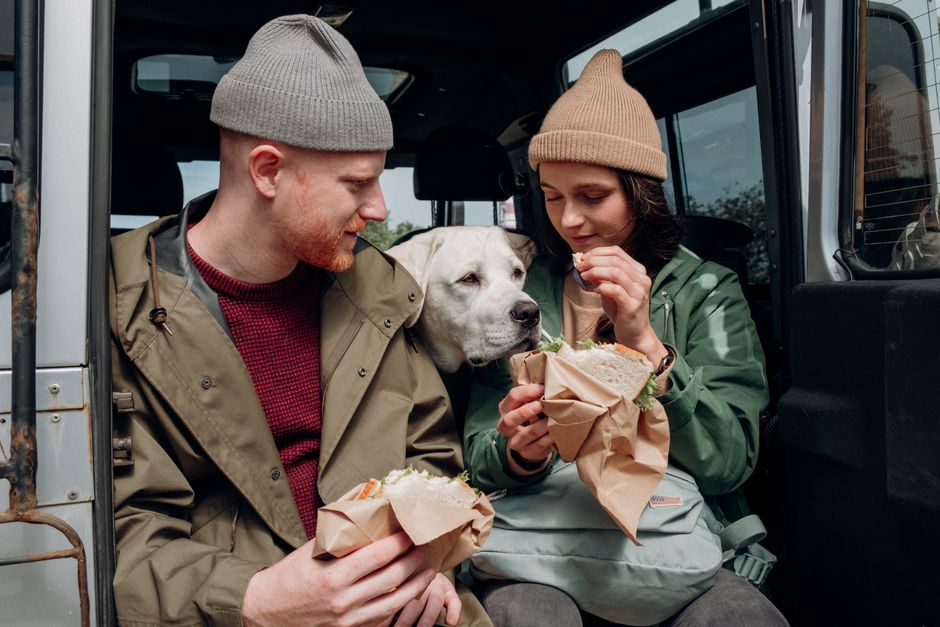
Suddenly that $89 room rate is $239, and you’re eating gas station sandwiches in the parking lot because you can’t leave the dog.
The term “pet-friendly” means almost nothing by itself. It’s a marketing word, not a legal standard. I’ve driven cross-country with a border collie three times now—Maine to San Diego, Seattle to Florida, the long way around Lake Michigan. I’ve learned that the difference between a smooth trip and a disaster is knowing exactly which questions to ask and which brands actually mean what they say.
Here’s how to find places that genuinely welcome your dog in 2026—without the financial ambush at the front desk.
The Real Cost of “Pet-Friendly”: Fee Structures That Catch You Off Guard
Hotels charge pet fees in three main ways, and the differences can swing your total cost by hundreds of dollars on a multi-night stay.
| Fee Structure | Typical Range | Example (3-night stay) | Who Uses It |
|---|---|---|---|
| Flat per-stay fee | $25–$75 | $50 total | La Quinta, Drury Inn |
| Per-night fee | $10–$50/night | $30–$150 | Hilton brands, Marriott |
| Non-refundable deposit | $100–$250 | $150 (not returned) | Budget motels, some independents |
Per-night fees are the sneaky ones. A $25 nightly pet fee at a Hampton Inn sounds reasonable until you realize you’re staying five nights. That’s $125 in pet fees on top of the room rate. Meanwhile, a Motel 6 might charge zero pet fee for one dog—no deposit, no nightly add-on.
Always check whether the fee is refundable. Many hotels frame it as a “cleaning fee,” which means you’re paying it even if your dog doesn’t shed a single hair. Some properties—especially higher-end ones—charge a refundable deposit instead, which you get back if the room passes inspection. Ask the front desk: “Is this a fee or a deposit?” The word “deposit” implies you might see it again. The word “fee” means you won’t.
Kimpton Hotels (part of IHG) remains the gold standard here. No pet fee. No weight limit. No breed restrictions. No deposit. They mean it. You can walk in with a Great Dane and a Chihuahua, and the bill doesn’t change. I’ve stayed at the Kimpton Hotel Monaco in Denver with my dog, and they had a bed and bowls waiting in the room. The nightly rate was higher than a Holiday Inn, sure—but with zero pet fees, the total cost often comes out lower than a mid-range hotel charging $50/night for a dog.
Weight Limits and Breed Bans: The Rules Hotels Don’t Post Online

This is where most road trippers get burned.
You book through Expedia or Booking.com. The filter says “pet-friendly.” You show up. The hotel has a 25-pound weight limit. Your 45-pound Australian shepherd doesn’t qualify. Now it’s 9 p.m., you’re in an unfamiliar town, and you have nowhere to sleep.
Weight limits are the most common hidden restriction. Many Hilton Garden Inn properties cap pets at 50 pounds. Some Marriott Courtyard locations set the line at 30 pounds. Best Western varies by individual franchise—one location might allow 80 pounds, the next one 20 miles away caps it at 25.
Breed restrictions are less common than they used to be, but they still exist. Some insurance policies flag pit bulls, Rottweilers, German shepherds, and huskies. You’ll see this more at independently owned motels than at chains.
Here’s the fix: never trust the booking site’s pet-friendly filter. Go directly to the hotel’s website. Find the FAQ or policies page. Search for the word “pet.” If the weight limit or breed policy isn’t stated, call the front desk. Ask specifically: “Do you have a weight limit for dogs, and do you have any breed restrictions?” Write down the name of the person who answers.
If you’re traveling with a dog over 50 pounds, your safest bets are Motel 6 (no weight limits at most locations), Kimpton (no restrictions), and Red Roof Inn (one pet stays free, no weight cap at many properties). La Quinta by Wyndham is also generally reliable, though some franchise locations have started adding weight caps—always call.
The “Unattended Dog” Rule and Why It Wrecks Your Dinner Plans
This one rule changes the entire shape of your road trip.
Many pet-friendly hotels require that your dog never be left alone in the room. Not for 30 minutes. Not in a crate. Not at all. The logic is straightforward: an unfamiliar dog in an unfamiliar room might bark, scratch doors, or destroy things. Housekeeping might enter and get bitten. The hotel doesn’t want the liability.
But for a road tripper, this rule means you can’t go to a restaurant. You can’t visit a museum. You can’t do anything that isn’t dog-friendly unless you’re traveling with another human who stays behind.
Some hotels are stricter than others. Drury Inn & Suites generally allows dogs to stay in the room unattended if they’re crated and you leave a phone number. Kimpton allows unattended dogs in the room as long as they’re well-behaved—put the “Do Not Disturb” sign on the door. Airbnb and Vrbo rentals vary by host; some explicitly allow leaving dogs crated, others forbid it entirely.
Before booking, ask: “Can I leave my dog in the room if they’re crated?” If the answer is no, you need to plan your trip around dog-friendly restaurants, takeout meals, and drive-throughs. It’s not a dealbreaker—I’ve done entire road trips eating at picnic tables outside grocery stores—but you need to know going in.
Beyond Hotels: The Alternative Stays That Solve the Real Problems
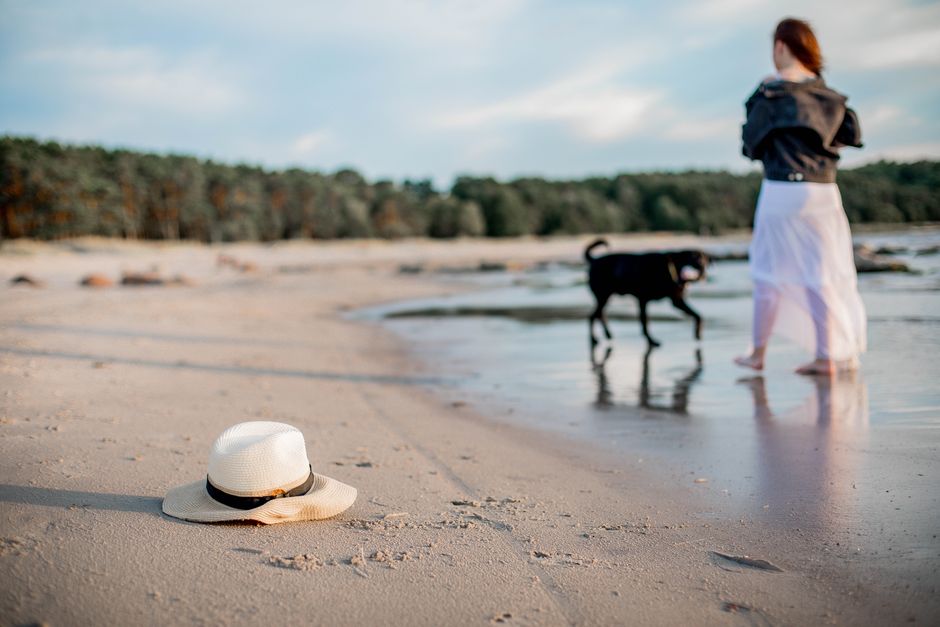
Hotels are the default, but they’re often the worst option for dog road trips. The fees add up. The rules constrain you. The thin walls stress out dogs who hear every footstep in the hallway.
Airbnb and Vrbo let you filter for “pets allowed” and see the exact fee structure before booking. Some hosts charge nothing. Some charge a one-time fee. Some charge per pet. The key advantage: you get a kitchen, which means you can cook instead of wrestling with the unattended-dog restaurant problem. You also get outdoor space at many properties—a yard instead of a hallway for bathroom breaks. The downside: cleaning expectations vary wildly. Some hosts expect you to vacuum dog hair before leaving. Read the house rules carefully.
Hipcamp is the sleeper hit for dog road trips. Think Airbnb for campsites—private land, cabins, glamping setups. Most listings are dog-friendly by default because you’re outdoors. You’re not paying cleaning fees for fur on a campsite. The dog gets to be outside. You get a fire pit. Prices range from $25–$75/night for tent sites, $100–$200 for cabins. I’ve stayed at Hipcamp properties in Oregon, Colorado, and upstate New York, and my dog was happier at every single one than at any hotel.
BringFido isn’t a booking platform itself, but its directory is the most comprehensive database of pet-friendly lodging in the US. It lists hotels, vacation rentals, and B&Bs with actual pet policies spelled out—weight limits, fees, number of pets allowed. It also includes user reviews from people who stayed with dogs, which is more useful than generic hotel reviews. If a place says “pet-friendly” but three BringFido reviewers report getting hit with surprise fees, you’ll know before you book.
Five Chains That Consistently Get It Right (and Two That Don’t)
After three cross-country trips and dozens of one-night stops, here’s where I’ll book and where I won’t.
The reliable ones:
- Kimpton Hotels: No fees, no limits, no restrictions. They’ll give you a pet bed. The nightly rate is higher, but the total cost often beats mid-range chains once you factor in zero pet fees. Best for multi-night city stays.
- Motel 6: Not glamorous, but consistent. Most locations allow one or two pets with no fee. No weight limit. Rooms are basic—you’re getting a bed and a shower—but for a quick overnight on a long driving day, it works.
- La Quinta by Wyndham: Most locations charge a flat $25 per stay, not per night. That’s rare. Some franchise locations have added weight limits recently, so call ahead, but the brand standard is solid.
- Red Roof Inn: One pet stays free at most properties. No weight restrictions at many locations. Like Motel 6, it’s budget-tier, but the policy is straightforward.
- Drury Inn & Suites: Reasonable fees, generally allows crated unattended dogs, and the free evening snacks and breakfast mean you’re not solving three restaurant problems per day.
The ones I avoid with a dog:
- Most Marriott and Hilton brands: The fees are high ($50–$75 per night at some properties), weight limits are common, and policies vary so much by location that you can’t trust the brand name. A Marriott in one city might be fine; the next one might charge $150 and cap dogs at 25 pounds. Too unpredictable for road trips where you’re booking on the fly.
- Budget independents without reviews: The roadside motel with a flickering “Pet Friendly” sign might genuinely welcome dogs, or it might mean “we’ll tolerate your dog if you pay a $200 cash deposit.” Without recent reviews from other dog owners, it’s a gamble.
Your Pre-Booking Checklist: The Exact Questions to Ask Every Time

You can do this in a two-minute phone call. Here’s the script:
- “Do you allow dogs, and is there a weight limit?” — Get the exact number. Not “small dogs only.” How many pounds?
- “What are the pet fees—is it per night, per stay, or a deposit? Is any of it refundable?” — Write down the dollar amount.
- “Can I leave my dog in the room unattended if they’re crated?” — This determines your entire evening plan.
- “Are there any breed restrictions?” — If you have a breed that sometimes gets flagged, ask directly.
- “Is there a designated pet relief area on the property, or is there a park nearby?” — Some hotels have a patch of grass. Some point you toward a highway median. You want to know which.
Call even if the website answers these questions. Policies change. Franchise owners override brand standards. The person at the front desk knows what actually happens at that specific building.
Road tripping with a dog in 2026 doesn’t have to mean stress-booking motels at 10 p.m. or paying surprise fees that double your lodging budget. It just means accepting that “pet-friendly” is a starting point, not a guarantee—and doing ten minutes of homework before you hit the road.
The chains that actually want your dog there don’t hide their policies. They put them on the homepage. They answer the phone. They don’t charge you $150 for fur on a duvet. Find those places, bookmark them, and build your route around them. Your dog doesn’t care about thread count. She cares that you’re not stressed and that there’s a decent patch of grass somewhere nearby.