
Lisbon’s hostel scene exploded over the last decade. Most places now charge €35-50 for a dorm bed. That’s absurd for a city where the average monthly wage hovers around €1,000. But there’s a small cluster of genuinely eco-conscious hostels still holding the line under $30. Not the kind that toss a recycling bin in the corner and call it sustainable. Places with solar thermal panels, greywater systems, rooftop composting, and owners who actually track their waste diversion rates.
I’ve stayed in six of them over the past 18 months. Three made this list. The other three got cut for greenwashing—slapping “eco” on their booking page while running diesel generators for backup power and serving breakfast in single-use plastic. That’s not sustainability. That’s marketing.
Here’s what actually delivers in 2026.
What Counts as “Eco” in a Lisbon Hostel? The Non-Negotiables
Most travellers don’t know what to look for. They see a bamboo toothbrush in the bathroom photo and assume the place is sustainable. It’s not. Lisbon has no mandatory green certification for accommodations, so anyone can claim eco-credentials without a shred of evidence.
The hostels on this list meet at least three of these five criteria:
- Energy: On-site solar generation (thermal or PV), not just “we buy green energy credits.” Look for panels on the roof in photos. If you can’t see them, ask for a capacity figure in kW.
- Water: Greywater recycling for garden irrigation or low-flow fixtures with stated flow rates (under 6 litres/minute on showers).
- Waste: On-site composting, not just recycling bins. Bonus if they compost food scraps and use the output in a garden you can see.
- Food sourcing: Breakfast ingredients from within 100km of Lisbon, ideally from named farms or markets.
- Building materials: Renovations using reclaimed wood, natural plasters, cork insulation (Portugal’s biggest sustainable export), or non-toxic paints.
If a hostel can’t name their solar installer or tell you where their greywater goes, they’re probably faking it. I’ve asked these questions at check-in. The good places light up. The fake ones get defensive.
The 3 Hostels Worth Your Money in 2026

| Hostel | Dorm Price (USD) | Key Eco Feature | Neighbourhood | Vibe |
|---|---|---|---|---|
| Goodmorning Solo Traveller Hostel | $24-28 | 100% solar-powered kitchen + zero-waste breakfast | Restauradores | Social but not party-central |
| Lisbon Sustainable Hostel | $22-26 | Greywater system irrigates rooftop vegetable garden | Anjos | Quiet, bookish, long-stayers |
| Impact House | $26-30 | Carbon-negative operations via cork insulation + solar | Alcântara | Co-working, digital nomad energy |
None of these are perfect. Goodmorning’s location on a busy street means noise if you’re in a front-facing dorm. Lisbon Sustainable Hostel’s Anjos neighbourhood is gentrifying fast—some travellers find it “too local” (their words, not mine). Impact House sits in Alcântara, which is a 25-minute walk from the city centre. But all three deliver on their eco claims with receipts, not slogans.
Goodmorning Solo Traveller Hostel: The Solar Kitchen That Actually Works
Most hostel kitchens are grim. Fluorescent lights, mismatched cutlery, one ancient electric hob that takes 20 minutes to boil water. Goodmorning’s kitchen is the opposite. Six induction hobs powered entirely by the 8kW rooftop PV array. Full-sized fridge. Proper knives. Bulk-bin dispensers for oats, lentils, pasta—you pay by weight, which eliminates packaging waste.
The breakfast is included and entirely zero-waste. Bread from Gleba Bakery in Alcântara (delivered in reusable crates). Cheese from Queijaria da Lapa. Coffee beans from Fábrica Coffee Roasters, ground to order. No plastic-wrapped butter portions. No mini jam jars destined for landfill. Everything served family-style on ceramic plates that get washed, not thrown away.
Dorm beds run $24-28 depending on season. The 6-bed female dorm is the quietest. The 10-bed mixed dorm gets loud after 11pm when people return from Bairro Alto. Mattresses are firm—Portuguese standard, not the pillow-top nonsense you get in American hotels. I slept well. People with back issues might disagree.
Who it’s for: Solo travellers who want to meet people without the frat-party atmosphere of Lisbon’s bigger hostels. The nightly family dinners (€5, vegetarian) are the social anchor.
Who should skip it: Couples wanting privacy. There are no private rooms. Light sleepers sensitive to traffic noise—request a rear-facing dorm or bring earplugs.
Lisbon Sustainable Hostel: The Garden on the Roof
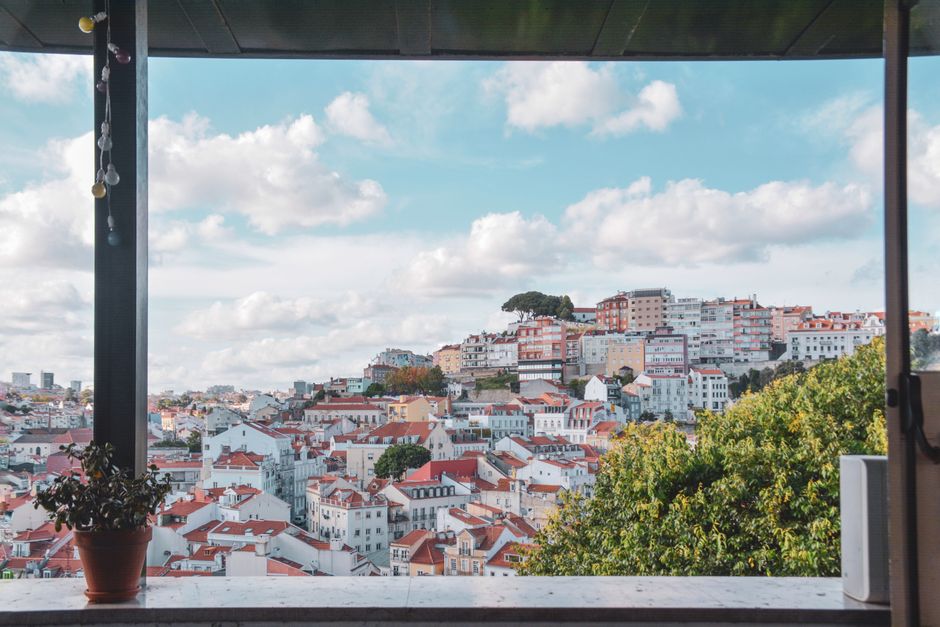
This place is small. Only 18 beds across four rooms. The owner, Mariana, bought the building in 2019 and spent two years retrofitting it. She’ll tell you about the greywater system if you ask—shower and sink water gets filtered through a sand-and-charcoal bed, then drips into the rooftop vegetable garden. Tomatoes, lettuce, herbs. You can pick basil for your pasta.
The hostel feels more like a shared apartment than a commercial operation. No bar. No organised pub crawls. Just a quiet living room with Portuguese-language books, a record player, and a balcony overlooking a courtyard where neighbours hang laundry and yell at their cats.
Beds are €22-26. The 4-bed dorm is the best deal in Lisbon if you want sleep quality over socialising. Mattresses are medium-firm with cotton sheets (not polyester—noticeable difference in a city that hits 35°C in August).
The trade-off: Anjos is not picturesque. It’s a working-class neighbourhood with kebab shops, hardware stores, and elderly residents who’ve lived there for 40 years. The nearest metro is a 7-minute walk. Some travellers find it “sketchy” at night. I found it completely fine. But if you want postcard Lisbon outside your window, stay in Alfama and pay double.
Verdict: Best for travellers staying 5+ days who want to cook, work remotely, and feel like they temporarily live in Lisbon rather than visit it. The garden alone is worth the booking.
When an Eco-Hostel Is the Wrong Choice
Sustainable hostels come with constraints. Ignoring them leads to bad reviews and frustrated stays. Here’s when you should book a regular hotel or Airbnb instead:
- You need guaranteed hot water 24/7. Solar thermal systems depend on sunlight. Lisbon gets 300 sunny days a year, but December-February can mean lukewarm showers by evening if the backup electric heater is undersized. Ask before booking if this matters to you.
- You want air conditioning. Most eco-hostels use passive cooling—thick walls, cross-ventilation, external shutters. It works surprisingly well, but during heatwaves above 38°C, you’ll be uncomfortable. Impact House has ceiling fans. The other two rely on open windows.
- You’re noise-sensitive and want a private room. Only Lisbon Sustainable Hostel offers privates. Goodmorning and Impact House are dorm-only. Thin walls are common in older Portuguese buildings retrofitted with natural materials—cork insulates thermally but not acoustically.
- You expect hotel-level service. These are hostels. Staff is minimal. Compost bins need emptying by guests. Recycling requires sorting. If that sounds like a chore, pay €80 for a hotel and let someone else handle it.
None of this is a criticism. It’s just the reality of operations that prioritise environmental impact over guest convenience. Know what you’re signing up for.
The Greenwashing Trap: 3 Hostels I’d Skip
Lisbon’s tourism board loves promoting “sustainable” accommodations. The label is meaningless without verification. I stayed at three hostels that market themselves as eco-friendly and found nothing substantive behind the claims.
Hostel A (unnamed because I’m not getting sued) has “ECO” in its booking.com title. Their sustainability page mentions “energy-efficient lighting.” That’s it. LED bulbs. The cheapest possible upgrade that every building in Europe has made since 2018. Breakfast is served on polystyrene plates. The rooftop has zero solar panels despite full sun exposure. When I asked the receptionist about their environmental practices, she said “we separate recycling” and pointed to a single bin that clearly went to the same dumpster as the trash.
Hostel B installed a vertical garden in the lobby—beautiful, Instagram-ready, and entirely performative. The garden is watered with mains water, not greywater. The hostel runs diesel generators for backup power during the rare grid outages. They sell plastic water bottles at reception. The garden exists for photos, not function.
Hostel C claims “locally sourced breakfast” but the ingredients come from a cash-and-carry wholesaler that imports produce from Spain and Morocco. When pressed, the owner admitted “we buy from a Portuguese distributor.” That’s not local sourcing. That’s supply chain laundering.
The pattern is consistent: green claims in the marketing copy, zero operational substance. If a hostel can’t show you the solar inverter, the compost pile, or the greywater filter, assume it’s fake until proven otherwise.
Lisbon’s real eco-hostels are small, owner-operated, and slightly rough around the edges. That’s the point. Sustainability isn’t polished. It’s functional. Book one of the three above, ask questions at check-in, and enjoy a stay that doesn’t cost the planet—or your budget.