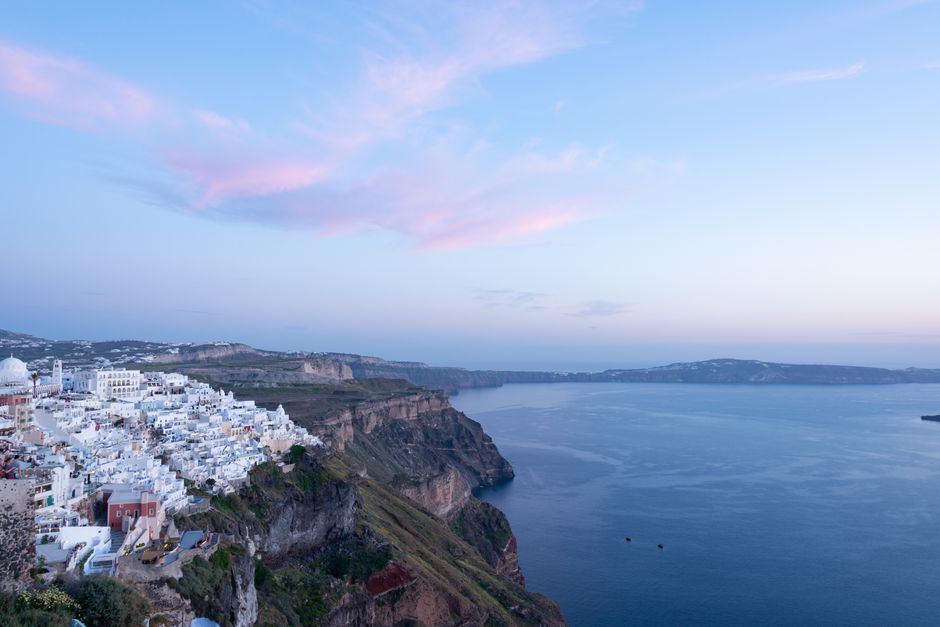
Yes. Parts of it are massively overrated. But writing off the entire island is a mistake that will cost you one of the most geologically unique views on the planet.
I’ve lived in the Cyclades for over a decade. I’ve watched Santorini morph from a sleepy volcanic gem into a Disneyfied version of itself. The issue isn’t the caldera. The issue is that 90% of visitors cram themselves into 10% of the island at the exact same time, take the exact same photo, and leave complaining about the exact same crowds they contributed to.
Here’s the unfiltered truth about what’s ruined, what’s still magic, and how to experience Santorini in 2026 without wanting to flee on the first ferry out.
The Brutal Reality Check: What Nobody Posts on Instagram
Let’s rip the bandage off. Between June and September, the village of Oia becomes a human traffic jam. Cruise ships disgorge up to 15,000 day-trippers before noon. Those famous blue-domed churches you’ve seen? There’s often a 45-minute queue snaking down the marble steps just to get a 30-second window for a photo.
The sunset in Oia is a contact sport. You’ll be shoulder-to-shoulder with strangers, jostling for elbow room on a ruined castle wall while someone’s iPad blocks your view. The narrow pathways weren’t built for selfie sticks and designer luggage. They were built for donkeys.
Prices have detached from reality. A cocktail with a caldera view in a mid-range bar now runs €22-28. A basic taverna meal for two easily tops €70. The island operates on a brutal two-tier economy: the cruise ship day-tripper market and the luxury honeymoon market. If you’re a mid-budget independent traveler, you’re the one getting squeezed hardest.
But here’s the thing. Step 300 meters away from the main pedestrian thoroughfare in Oia, or leave the caldera rim entirely, and the island exhales. The crowds evaporate. The prices drop by 40%. The real Santorini—the one with ancient vineyards, black sand beaches, and family-run tavernas where the owner’s grandmother is still in the kitchen—is still there. You just have to know where to look.
Oia vs. Fira vs. The Rest of the Island: A No-BS Comparison
| Factor | Oia | Fira | Pyrgos & Inland |
|---|---|---|---|
| Crowd Level (July) | Extreme. Gridlock by 11am. | Very High. Cruise ship central. | Low. Peaceful even in August. |
| Sunset Quality | Iconic but packed. | Excellent, slightly fewer people. | Panoramic, zero crowds. |
| Hotel Price (Aug, per night) | €400-€2000+ | €200-€800 | €90-€250 |
| Authenticity | Curated. Mostly shops and rentals. | Mixed. Working capital. | Genuine. Locals live here. |
| Food Quality (Avg) | Inconsistent. View tax applied. | Better value. More local spots. | Best. Family tavernas dominate. |
| Best For | First-time photo, luxury splurge. | Nightlife, shopping, convenience. | Travelers who hate tourist traps. |
Oia is a museum piece. Beautiful, photogenic, and completely hollowed out of local life. Almost every building is now a vacation rental, a jewelry shop, or an overpriced restaurant. Fira is chaotic but functional—it’s the island’s administrative hub, so you’ll find banks, pharmacies, and actual grocery stores alongside the souvenir shops. Pyrgos, Megalochori, and Emporio are where Santorini still feels like a real place. Stay there. Visit Oia once at 7am, take your photos, and leave before the first tour bus arrives.
The Smart Traveler’s Playbook: Exact Timing and Locations
You don’t need to avoid Santorini. You need to avoid the herd’s schedule.
When to Go in 2026
April and October are the sweet spot. The sea is still swimmable in October—water temperatures hold around 22°C (72°F) well into the month. Flights from major European hubs drop to €80-150 round-trip. Hotels slash rates by 50-60%. The light is softer, golden, and infinitely better for photography than the harsh midday glare of July.
If you must go in summer, book the first week of June or the last week of September. Avoid August entirely. It’s not just the crowds—the meltemi winds can strand you on the island if ferries cancel.
Where to Sleep
Stay inland. Pyrgos village sits at the highest point of the island. You get 360-degree views, genuine tavernas, and rooms for a third of caldera prices. Megalochori is another winner—a whitewashed maze of a village with excellent wineries walking distance from your door. If you absolutely need a caldera view, book in Imerovigli, not Oia. It’s quieter, higher up, and the sunset angle is arguably better.
The Sunrise Hack
Everyone obsesses over sunset. That’s the mistake. Sunrise in Santorini is spectacular and completely empty. Walk the caldera path from Fira to Imerovigli at 6:30am. You’ll share it with maybe three joggers and a stray cat. The light hits the volcanic cliffs in shades of copper and rust that no sunset photo ever captures. This single choice—waking up early instead of fighting for a sunset spot—changes the entire experience.
When Not to Go to Santorini (And Where to Go Instead)
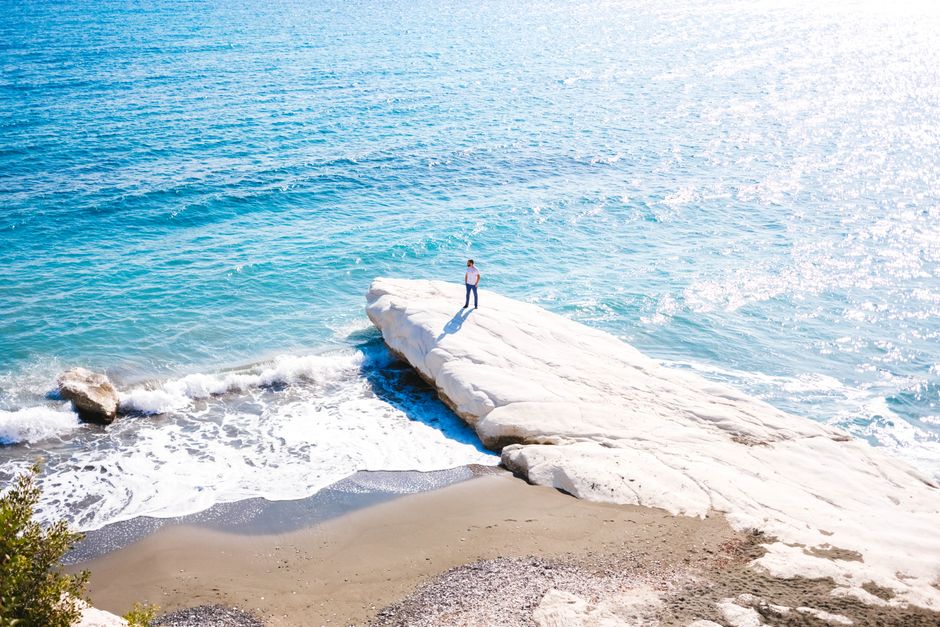
If your dream is empty beaches, spontaneous exploration, and feeling like you’ve discovered somewhere untouched, Santorini will break your heart. The island’s geography works against it. The caldera side is a steep cliff. There are no hidden coves to escape to. The beaches on the east coast—Kamari, Perissa—are decent black sand strips but they’re fully developed with sun loungers packed side-by-side in summer.
Santorini is fundamentally a spectacle island. You go for the geological drama, the vertical cliffs plunging into a submerged volcano, the vineyards growing in ash soil. You do not go for solitude or unspoiled nature.
If you want the Cycladic beauty without the circus, here are three alternatives for 2026:
- Milos: Same volcanic geology, 70+ beaches, no cruise ships. The lunar landscape of Sarakiniko looks like Santorini’s wilder cousin. Direct ferry from Athens in 3.5 hours. Still under the radar enough that you can find an empty beach in July.
- Folegandros: The caldera views without the crowds. The main village, Chora, hangs on a cliff edge with the same whitewashed Cycladic architecture. It’s what Santorini felt like 30 years ago. The ferry from Santorini takes just 1.5 hours—many visitors combine both.
- Anafi: Barely an hour from Santorini by ferry. A single road, one main village, and hiking trails to an ancient monastery on a mountain peak. This is where Santorini locals go to escape the tourists on their own island.
The Bottom Line: Who Should (and Shouldn’t) Go in 2026
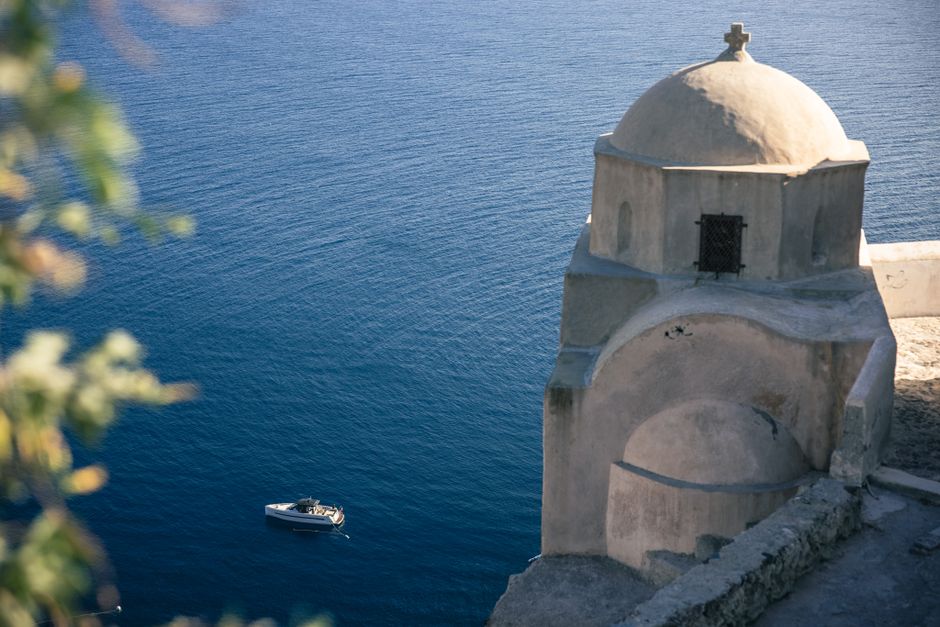
Santorini is a binary experience. It will either be one of the most visually overwhelming places you’ve ever stood, or a crushing disappointment fueled by Instagram expectations and cruise ship crowds. The variable is entirely within your control.
Book a cave hotel in Oia in August, shuffle through packed alleys at noon, eat at a restaurant with a laminated menu and a “view tax” surcharge—you’ll hate it and you’ll be right to. Stay in Pyrgos in May, hike the caldera at dawn, drink Assyrtiko wine at a cliffside winery with 12 tables and no reservation needed—you’ll understand why this place has been mythologized for centuries.
The island hasn’t been ruined. The way most people experience it has been. Fix the second part and the first part takes care of itself.
One sentence takeaway: Santorini is only overrated if you follow the crowd—stay inland, wake up early, and visit in the shoulder season, and it’s still one of the most remarkable volcanic landscapes in Europe.