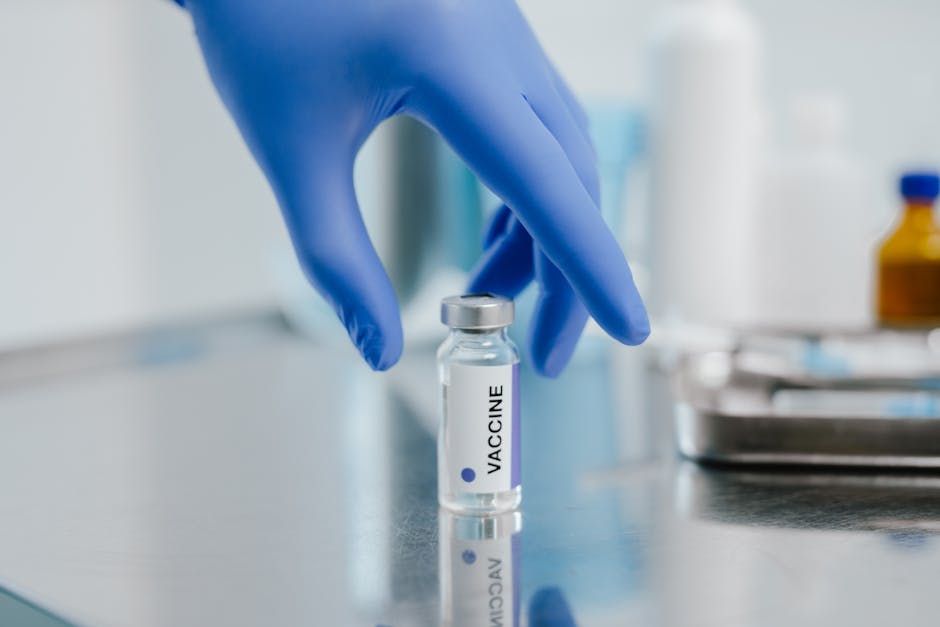
Most travelers to the Dominican Republic need three vaccines and one prescription. That is the short answer. The longer answer depends on where in the country you are going, when you are traveling, and whether you are arriving from a yellow fever zone — and those details change the clinical picture considerably.
The DR has no blanket entry vaccination requirement for US, UK, Canadian, or European travelers. But no requirement does not mean no risk. The CDC and PHAC both maintain recommended vaccine lists for the DR that travelers routinely overlook until they are sitting in an emergency clinic in Santo Domingo with a fever and no documentation of anything.
What follows is a breakdown of required versus recommended vaccines, real disease risk by region, realistic costs, and the planning mistakes that keep showing up in post-trip travel health consultations. One note on travel insurance before we get into vaccines: standard travel insurance policies cover emergency medical treatment abroad but not pre-travel preventive vaccination. Those costs come out of pocket. Some comprehensive health insurance plans treat travel vaccines as preventive care — worth confirming before your clinic visit.
Required vs. Recommended: The Complete Vaccine Breakdown
The table below reflects CDC and WHO guidance as of 2026. Required means you may be denied entry or directed to on-arrival vaccination without documentation. Recommended means the health risk in the DR justifies the shot — but no border official will turn you away for skipping it.
| Vaccine | Status for DR | Who Needs It | Protection Duration |
|---|---|---|---|
| Yellow Fever | Required (specific cases only) | Travelers arriving from or transiting endemic countries in Africa or South America | Lifelong (1 dose) |
| Hepatitis A | Strongly Recommended | All travelers | 20–25 years (2-dose series) |
| Typhoid | Recommended | Street food eaters, non-resort stays, adventure travelers | 2–5 years depending on type |
| Hepatitis B | Recommended | Long-stay visitors, divers, potential medical exposure | Lifetime after full series |
| Rabies (pre-exposure) | Recommended — selective | Cavers, wildlife workers, rural extended stays | Booster-dependent |
| MMR, Tdap, Flu, COVID-19 | Routine — should be current | All travelers | Varies |
Hepatitis A: The Non-Negotiable
Hepatitis A spreads through contaminated food and water. The DR has documented outbreaks. Two doses of Havrix (GSK) or Vaqta (Merck) deliver long-term protection — the first dose alone covers you for a year, which is enough for a short trip if you are behind schedule. If you also need Hepatitis B coverage, Twinrix (GSK) combines both in a three-dose series. An accelerated Twinrix schedule (days 0, 7, and 21 plus a booster at 12 months) is available for last-minute travelers. Get Hepatitis A covered. It is not genuinely optional for anyone eating outside a resort kitchen.
Typhoid: Depends on Your Itinerary
All-inclusive in Bavaro for seven days with no off-resort excursions? Typhoid is lower priority. Backpacking through Santiago, eating at local comedores, or visiting rural communities? Get it. Two options exist: the injectable Typhim Vi (Sanofi Pasteur) as a single shot active two weeks before exposure, or the oral Vivotif (Emergent BioSolutions) as a four-capsule course taken over eight days. Injectable is simpler and works for travelers on tight timelines. Oral is sometimes cheaper but requires careful timing and has a drug interaction worth knowing about — more on that in the mistakes section.
Malaria and Dengue: The Risk Travelers Keep Miscalculating
This is where the real confusion lives — and where the stakes are highest for under-prepared travelers.
Malaria does exist in the Dominican Republic. It is not evenly distributed. The CDC identifies specific risk zones: the western provinces bordering Haiti (Pedernales, Independencia, Elías Piña, Dajabón, Montecristi), certain rural areas in La Altagracia including parts of the Higüey region, La Romana, and Sánchez Ramírez province. Popular tourist corridors — Punta Cana’s hotel zone, Santo Domingo proper, Las Terrenas, Cabarete — are considered low to negligible risk. The distinction matters because it changes whether prophylaxis makes clinical sense.
The malaria parasite present in the DR is Plasmodium vivax, not falciparum. Vivax is rarely fatal but causes weeks of high fever, joint pain, and fatigue, and it can relapse months later if not fully treated. The treatment gap is real: after an initial course you need follow-up medication to clear dormant liver-stage parasites.
Should You Take Malaria Prophylaxis?
For trips entirely confined to Punta Cana’s hotel zone or the northern coast, most travel physicians will not recommend prophylaxis. The CDC lists the DR under areas with malaria transmission but acknowledges the tourist-heavy zones have limited risk.
If your trip includes crossing into western border areas, humanitarian work near Haiti, camping in the central mountain range, or extended stays in rural farming communities — take prophylaxis. The DR strain remains chloroquine-sensitive, which is unusual globally. Generic chloroquine is inexpensive (under $1 per tablet in most markets), well-understood in terms of side effects, and taken weekly. Start two weeks before arrival, continue four weeks after departure.
For travelers who cannot commit to a four-week post-trip medication window, Malarone (atovaquone-proguanil, GSK) is the practical alternative. It works against DR malaria, requires only one to two days of pre-travel dosing, and needs just seven days of post-trip coverage. The cost is higher — $5 to $8 per tablet versus under $1 for chloroquine generics — but the compliance advantage is significant for people with busy schedules after returning home.
Dengue: No Vaccine, Real Risk
The DR reports dengue cases year-round, with peaks during the rainy season from May through November. There is no licensed dengue vaccine recommended for first-time travelers in the same way hepatitis vaccines are routinely prescribed. Protection comes down to mosquito bite prevention: DEET-based repellents at 30–50% concentration, permethrin-treated clothing, and screened or air-conditioned accommodation. Dengue causes severe joint pain, high fever, and in a small number of cases hemorrhagic complications. It does not respond to antibiotics. If you develop a fever within two weeks of returning from the DR, mention your travel history to your doctor immediately.
Zika in 2026
Zika transmission in the DR has dropped significantly from the 2016–2017 outbreak levels, but the virus has not been eradicated. The CDC still lists the DR as a destination with Zika risk. Pregnant travelers should discuss this with their OB before booking any Caribbean destination, not just the DR.
Vaccine Timing and Cost: What to Expect at the Clinic
Walk in six days before your flight and you will leave partially protected at best. Some vaccines require two to four weeks to build immunity. Plan the clinic visit the same week you book flights.
| Vaccine / Medication | Minimum Lead Time | Approx. US Cost | Key Notes |
|---|---|---|---|
| Havrix / Vaqta (Hep A) | 2–4 weeks | $80–$120 per dose | Single dose covers a short trip; second dose at 6–12 months for long-term protection |
| Twinrix (Hep A + B combo) | Accelerated: 0, 7, 21 days | $100–$140 per dose | 3-dose accelerated schedule for late bookers; 12-month booster recommended |
| Typhim Vi (injectable typhoid) | 2 weeks | $60–$90 | Single shot; no drug interaction issues |
| Vivotif (oral typhoid) | 8-day course must complete before exposure | $60–$80 full course | Avoid antibiotics during course — inactivates the live vaccine |
| Chloroquine (malaria Rx) | Start 2 weeks before arrival | $10–$30 for typical trip | Weekly dosing; generic widely available; post-trip: 4 weeks |
| Malarone (atovaquone-proguanil) | 1–2 days before arrival | $80–$200 depending on trip length | Daily dosing; post-trip: 7 days; better for compliance |
| Rabies pre-exposure (Imovax / RabAvert) | 3-dose series over 21–28 days | $300–$500 total series | Only relevant for high-risk activities; not routine |
Travel Clinic vs. GP vs. Pharmacy: Which to Use
For a standard Punta Cana or Santo Domingo trip, a GP or pharmacy-administered vaccine appointment handles Hepatitis A and typhoid without difficulty. In the US, CVS and Walgreens both administer Hepatitis A vaccines without a prior physician visit. In the UK, Boots Travel Health Clinic and LloydsPharmacy travel services are practical options. Pharmacy-administered vaccines typically cost less than dedicated travel clinic fees.
Travel clinics add real value when your itinerary includes rural areas, extended stays, or multi-country routing with complex layovers. They maintain current regional outbreak data and can advise on malaria prophylaxis selection more precisely than most general practitioners, who may not see DR-bound patients frequently enough to stay current on local transmission patterns. For malaria prophylaxis specifically, you still need a physician consultation regardless of where you get your vaccines — pharmacists cannot prescribe.
The Yellow Fever Certificate Rule
The Dominican Republic requires proof of yellow fever vaccination only from travelers arriving from or transiting through countries with endemic yellow fever — primarily sub-Saharan African nations and parts of South America including Bolivia, Brazil, Peru, and Colombia. If your routing touches any of these countries within the preceding 30 days, carry your ICVP (the International Certificate of Vaccination or Prophylaxis, commonly called the yellow card) or you may face on-arrival vaccination or entry refusal. Travelers flying directly from the US, UK, Canada, or Europe are not affected by this requirement. One yellow fever dose now confers lifelong protection under WHO guidelines — no booster required.
Five Vaccine Planning Mistakes DR Travelers Make
- Booking the clinic appointment too late. Hepatitis A needs two to four weeks to mount a protective immune response. Twinrix on an accelerated schedule still requires three doses for full Hepatitis B coverage. Arriving at the clinic five days before departure means leaving partially protected. Book vaccine appointments the same week you book flights — treat it as part of the booking checklist, not an afterthought.
- Skipping malaria prophylaxis because the destination is Punta Cana. Correct for resort-only stays. Wrong if your trip includes any day excursion to rural interior towns, a visit to a farming community, or border-area activity. Itineraries shift. Having a chloroquine prescription filled before departure costs less than two nights in a Santo Domingo hospital with a vivax infection.
- Assuming travel insurance covers vaccine costs. It does not. Standard travel insurance — including policies from AWIN-network finance and assistance providers — covers emergency treatment abroad, evacuation, and trip cancellation, but pre-travel preventive vaccines are an out-of-pocket expense. Some comprehensive health plans classify travel vaccines as preventive care and cover them under annual wellness benefits. Check before assuming, not after paying.
- Missing the oral typhoid drug interaction. Vivotif contains a live attenuated bacteria. Antibiotics taken concurrently — for dental work, skin infections, or any other reason — inactivate the live vaccine and leave you with no typhoid protection despite completing the course. If you are on antibiotics during the eight-day Vivotif course, switch to the single-dose injectable Typhim Vi instead. The two vaccines protect equally well; the oral version just cannot tolerate concurrent antibiotic use.
- Letting routine vaccines lapse and not catching up before travel. The DR has active measles and pertussis circulation. Adults who have not reviewed their MMR or Tdap status in the past decade are often behind. A travel clinic visit is a practical moment to check the full picture. If your MMR or Tdap boosters are overdue, update them before departure — not because the DR is uniquely dangerous for these diseases, but because a pre-trip clinic visit is the most natural trigger most adults have to actually look at their vaccine records.
| Traveler Type | Minimum Vaccine Priority | Consider Also |
|---|---|---|
| All-inclusive resort, 7–10 days | Hepatitis A (Havrix or Vaqta), routine vaccines current | Typhoid if eating outside resort |
| City stays (Santo Domingo, Santiago) | Hepatitis A, Typhoid (Typhim Vi or Vivotif) | Hepatitis B if extended stay |
| Rural areas, adventure travel | Hepatitis A, Typhoid, Hepatitis B, Malaria prophylaxis (chloroquine or Malarone) | Rabies pre-exposure if remote |
| Arriving from yellow fever endemic country | All above plus Yellow Fever certificate (ICVP) | Confirm transit country list with clinic |
| Pregnant travelers | Consult OB before any Caribbean booking; Zika and malaria both require individual risk assessment | Live vaccines (oral typhoid, yellow fever) contraindicated in pregnancy |