The common mistake is treating June as mild because it is not yet peak summer. That logic fails in cities. Stone streets hold heat, queues have little shade, and a 25°C forecast can feel much harsher after three hours of walking with no real break.
June city break heat pacing means placing indoor stops near the sights you already want to see. You are not abandoning the itinerary. You are giving it a usable rhythm: outside early, inside through the worst heat, outside again when the light softens.
Why June city breaks need a heat plan
The forecast is not the whole problem
Temperature tells you only part of the story. Humidity, direct sun, pavement, hills, crowding, and a lack of benches decide how tiring a route feels. Rome can be manageable at 22°C and punishing at 27°C if your route crosses the Forum, Palatine Hill, and Piazza Venezia between noon and 3 p.m. Lisbon adds steep streets. Paris adds long queues. Madrid adds broad, exposed plazas with little shade.
The real issue is accumulated heat. Your first outdoor stop may feel easy. By the third stop, your shirt is damp, your attention drops, and a short walk becomes an argument. That is when travelers make bad choices: skipping a booked museum, paying for an expensive taxi, or pushing on until the evening plans collapse.
The useful rule: protect the middle of the day
Keep the most exposed walking between roughly 8 a.m. and 11:30 a.m., then again after 5 p.m. Put museums, churches, covered markets, department stores, galleries, long lunches, and hotel downtime in the middle. This works even when the day never becomes dangerously hot.
Plan for the day you actually have, not the cool morning you imagine. If the forecast reaches 28°C or higher, make one indoor stop non-negotiable. If it reaches 32°C, make two. That small decision protects the rest of the trip.
How to place indoor backups near major sights
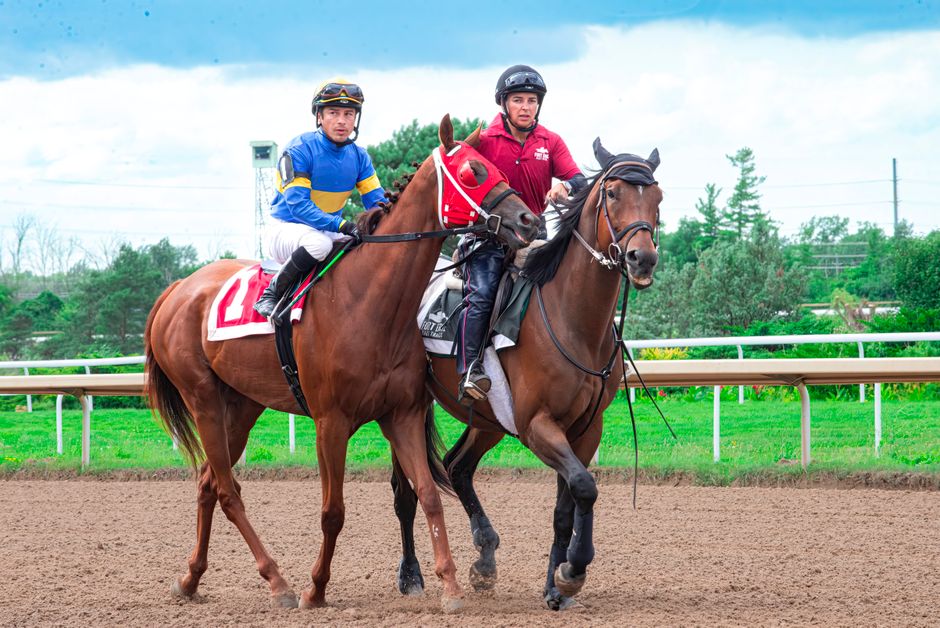
The best backup is not the most famous indoor attraction in the city. It is the one close enough to save a tired route.
| Outdoor anchor | Nearby indoor option | Best heat window | Walking rule |
|---|---|---|---|
| Colosseum and Roman Forum, Rome | Capitoline Museums or a shaded church route | 11:30 a.m. to 2:30 p.m. | Keep the next stop within 15 minutes |
| Louvre and Tuileries, Paris | Louvre galleries or covered arcade streets | Noon to 3 p.m. | Exit into shade, not across an open plaza |
| British Museum and Bloomsbury, London | British Museum galleries or a nearby café | 12:30 p.m. to 3 p.m. | Use one indoor block before crossing central London |
| Prado and Retiro, Madrid | Prado, Thyssen-Bornemisza, or a long lunch | 1 p.m. to 4 p.m. | Do not pair two exposed parks with a museum exit |
Use a two-minute map test
Open a map and check the route between the main sight and the backup. Look for distance, shade, toilets, seating, and one alternate entrance. A 900-metre walk can be fine on a shaded riverfront and miserable across a treeless square. Street distance is not the same as heat difficulty.
Book the anchor, leave the backup loose
Book the attraction that controls your day, such as the Colosseum or the Louvre. Keep the nearby café, church, covered market, or smaller gallery flexible. If your group moves quickly, continue outside. If everyone is wilting, take the indoor option without losing a reservation.
That is the winning structure: one fixed point, one nearby escape, and no heroic cross-city detour.
The simplest June itinerary runs in three temperature blocks
- Morning exposure: Start with the outdoor sight that matters most. Arrive near opening time, carry water, and finish the most exposed section before lunch. Do not spend your best cool hours inside a minor attraction just because it is easy.
- Midday recovery: Move indoors before you feel desperate. Allow 90 minutes to three hours for a museum, historic interior, covered market, long lunch, or hotel rest. The point is not to fill every minute. The point is to lower your body temperature and preserve your evening.
- Late-day return: Resume outdoor walking after the harshest sun has weakened. This is the right window for viewpoints, riverside routes, plazas, and neighbourhood wandering. You will see more because you are no longer managing discomfort.
- Evening buffer: Leave 30 to 45 minutes between the last major sight and dinner. Heat makes small delays more likely. A missed tram, a closed side entrance, or a slow queue should not wreck the only meal reservation you care about.
Do not confuse a full schedule with a good schedule. Two major sights plus a real pause beat five rushed stops. June rewards spacing. The traveler who leaves room for recovery usually sees more of the city by the end of the trip.
Carry a refillable bottle, a light layer for aggressive air-conditioning, and shoes that can handle uneven paving. Sunscreen matters, but it does not cancel heat. A hat and shade are more useful than pretending you can walk through the hottest hours unchanged.
Questions that stop a hot day from going wrong
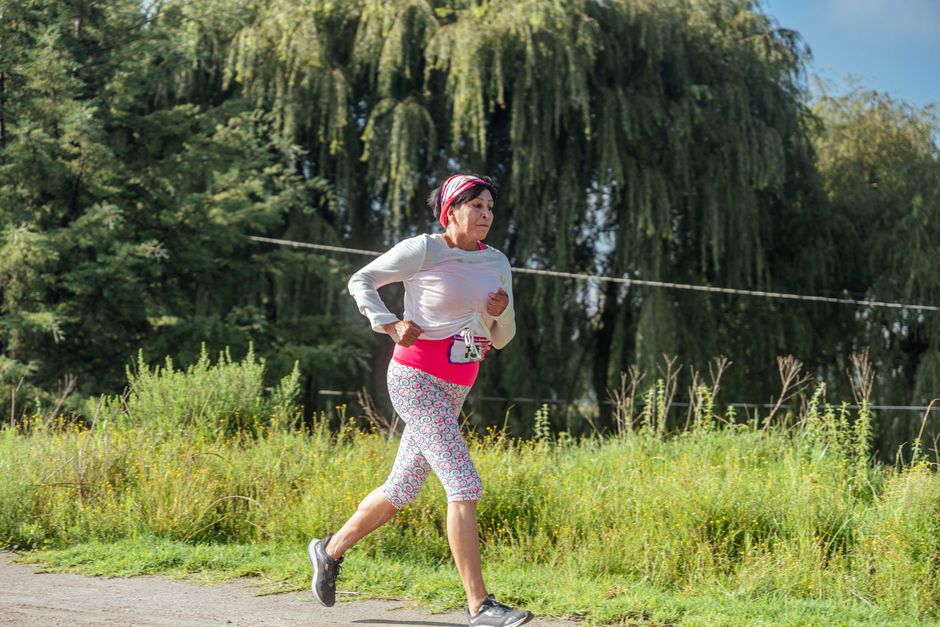
Should the indoor stop come before lunch?
Usually, yes. Lunch is not always a recovery break if the restaurant is crowded, poorly ventilated, or on the other side of a large square. An indoor attraction before lunch gives you a reliable cooling block. Eat afterward near the next stop instead of crossing the city for a table.
What if the museum is sold out?
Use a second-choice indoor space that does not require timed entry. A church, department store, covered food hall, public library, hotel lounge, or independent cinema can still break the heat. Check access rules that morning because some churches require covered shoulders, quiet behaviour, or a small entrance fee.
Is air-conditioning enough?
No. A cold room helps, but the walk back into full sun can feel brutal if you leave dehydrated. Drink before you enter, sit for at least 15 minutes, and plan a shaded route out. Cooling works best as part of a pause, not as a quick photo stop.
Should you cancel an outdoor sight?
Cancel the exposed section when heat makes it unsafe or simply ruins the experience. The Roman Forum, Montjuïc, the Acropolis approach, and large palace gardens all lose value when you rush through them distracted by thirst. Swap the order, shorten the route, or return after 5 p.m. A missed viewpoint is less costly than losing the next day to exhaustion.
My strongest recommendation: plan the escape before the attraction
Choose the indoor backup before you book the outdoor sight. That single change makes a June itinerary more resilient. You know where to go when the forecast rises, the queue stalls, or somebody in your group stops pretending they are fine.
For Rome, pair the Colosseum area with the Capitoline Museums or a substantial church interior. For Paris, put the Louvre, Musée de l’Orangerie, or a covered passage near an outdoor route. For Madrid, use the Prado or Thyssen-Bornemisza as the fixed cooling block before returning to Retiro or the central plazas. These are not random escapes. They sit inside the same sightseeing geography.
When not to force the famous museum
Do not choose an enormous museum simply because it is indoors. If your group dislikes museums, three hours among galleries will not feel like rest. Pick a smaller interior, a slow lunch, a cinema, or the hotel instead. The best backup solves the actual problem: heat, fatigue, thirst, or overstimulation.
What ruins this plan
The most common failure is placing the backup 40 minutes away. The second is treating a café as guaranteed seating during the busiest lunch period. The third is leaving no time for toilets and water. Keep the escape close, confirm access, and leave before the group reaches the point of complaint.
Good heat pacing will shape the next city break
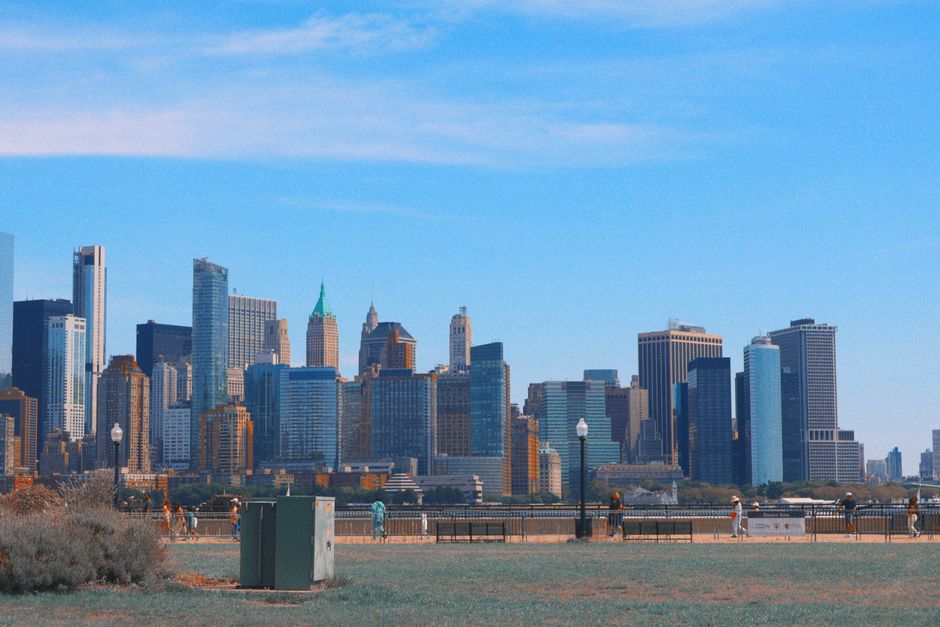
June travel is moving toward shorter outdoor bursts and smarter indoor pauses. That is not a loss of spontaneity. It is a better way to use cities built around courtyards, churches, galleries, markets, libraries, and shaded streets.
Build each day around one outdoor priority, one dependable indoor block, and one late-day return. Check the heat, walking surface, shade, and entry rules on the morning itself. Then adjust without guilt.
The strongest city itineraries will not be the ones with the most pins on a map. They will be the ones that make room for changing heat, changing energy, and a second chance to see the same street when the weather finally becomes pleasant.