
Best Places to Visit in Maharashtra: How to Plan Each Region
You’ve booked flights into Mumbai with a week or two to spare. The state is roughly the size of Germany, with UNESCO cave temples in the north, hill stations rising from the Western Ghats, beaches along the Konkan coast, and tiger country in the east. The problem isn’t finding things to do. It’s knowing which regions to combine and which require a dedicated trip on their own.
How to Build a Maharashtra Itinerary That Doesn’t Waste Days
Maharashtra’s geography pushes you toward a decision early: pick a region cluster and explore it properly, or do a quick surface pass across several zones. For trips under 10 days, go deep. The cave complexes, the hill stations, the coast, and Vidarbha each deserve 2-3 days minimum — trying to tick all four in a week means a significant portion of your trip disappears on overnight buses.
The most efficient first-time route is what regional travel writers call the Maharashtra Cultural Triangle: Mumbai → Aurangabad → Pune, returning to Mumbai. This covers the two UNESCO World Heritage Sites near Aurangabad, strong city culture in both Mumbai and Pune, and requires no backtracking if you fly in and out of the same city or take the final leg from Pune directly.
The 7-Day Triangle Route
Days 1-2: Mumbai. Day 3: Take the Tapovan Express or Jan Shatabdi to Aurangabad (6-7 hours, ₹250-500 in AC chair car). Days 4-5: Base yourself in Aurangabad — Ellora on Day 4, Ajanta on Day 5. Day 6: Pune Shatabdi from Aurangabad (3.5 hours, ₹350-500). Day 7: Explore Pune, then Volvo bus back to Mumbai (3 hours, ₹250-450) or fly from Pune Airport.
Book trains on IRCTC at least three days ahead. Tatkal quotas open at 10am the day before travel at a 30-40% premium — useful if you’ve left it late but painful on the wallet.
Extending to 10-12 Days: Adding the Coast
Insert Alibaug between Mumbai and Pune, or go further south to Tarkarli after finishing Pune. Alibaug works as a 2-night add-on reachable from Mumbai by catamaran (₹200-230 round trip from Gateway of India). Tarkarli requires its own base — 510 km south of Mumbai, reached by overnight bus (₹600-900, 10-11 hours). Put Tarkarli at the end of a trip, not the beginning, so you’re not rushing back for connections.
What to Cut for Shorter Trips
Under 7 days: drop Vidarbha entirely. Tadoba Tiger Reserve in the east is extraordinary, but the 12-hour overnight train from Mumbai consumes two days of travel time. Under 5 days: skip Ajanta and Ellora as well. Do Mumbai properly, take the Elephanta Caves ferry on day two, and spend one full day in Pune. A rushed half-day at Ajanta is genuinely worse than not going.
Mumbai: How to Use Two Days Without Missing What Actually Matters
Mumbai deserves two full days. Not one, not a half-day layover before catching a train to Aurangabad.
The common error is treating Mumbai as a gateway city — fly in, photograph the Gateway of India, watch the Marine Drive sunset, leave. That’s a ₹15,000 round-trip flight that bought you a postcard experience. Mumbai’s character sits in its neighborhoods, not its landmarks.
The Neighborhoods Worth Your Time
Colaba in the south has the obvious anchors: Gateway of India, Leopold Cafe (the teak-panelled old restaurant from Gregory David Roberts’s novel), and the Chor Bazaar antique market 4 km north. Fort district, walkable from Colaba, has Chhatrapati Shivaji Maharaj Terminus — a UNESCO-listed Victorian Gothic railway station still used by 3 million commuters daily — plus the Asiatic Library reading room, open to visitors for free. Bandra in the north has better restaurants and the Bandstand promenade, and the street art around Hill Road is genuinely good.
Dharavi rewards a guided walk. Reality Tours charges ₹900-1,200 per person; 80% of proceeds fund community programs within the area. This is not poverty tourism — it’s a functioning industrial zone producing pottery, garments, and recycled plastics, and the guided format ensures you’re not wandering disrespectfully through someone’s workspace.
Day Trips That Save You a Separate Booking
Elephanta Island sits 1 hour by ferry from Gateway of India (₹200-230 round trip, ferries run 9am-3:30pm). The rock-cut Shiva sculptures in Cave 1 date to the 5th-8th century CE. Allow 3-4 hours including the ferry — it’s a half-day commitment, not a quick excursion. Alibaug by catamaran from Ferry Wharf near CST takes under 2 hours (₹100-115 one way) and works as a full-day coastal excursion without needing accommodation, if you’re not extending your trip southward.
Ajanta and Ellora Caves: The Differences That Actually Matter
Both are near Aurangabad. Both are UNESCO World Heritage Sites. Visit them on separate days — each is a full-day commitment, and they’re different enough in character that conflating them into one rushed excursion shortchanges both.
| Feature | Ajanta Caves | Ellora Caves |
|---|---|---|
| Age | 2nd century BCE – 5th century CE | 6th – 12th century CE |
| Number of caves | 30 (Buddhist) | 34 (Buddhist, Hindu, Jain) |
| Entry fee | ₹40 Indian / ₹600 foreign | ₹40 Indian / ₹600 foreign |
| Time needed | 4-5 hours minimum | 5-6 hours (Kailasa alone: 2 hrs) |
| Distance from Aurangabad | 105 km (2.5 hrs by road) | 30 km (45 min by road) |
| Closed | Tuesday | Tuesday |
| Primary draw | Ancient Buddhist murals and paintings | Kailasa Temple — carved from a single cliff |
| Crowds | Heavy on weekends, lighter midweek | Year-round at Kailasa; lighter at peripheral caves |
Ajanta’s paintings in Cave 1 and Cave 17 are among the oldest surviving murals in Asia. Flash photography is banned throughout. Rent a torch at the entrance (₹10) or bring your own — the interiors are genuinely dark, and the paintings don’t show well on phone cameras without proper light. For anyone serious about capturing these spaces, understanding how to photograph in low-light heritage environments makes a real difference before you go.
Ellora’s Kailasa Temple (Cave 16) is a complete Hindu temple carved top-down from a single basalt cliff — an estimated 7,000 tons of rock removed over roughly 150 years, without machinery. No travel description prepares you for the scale of it. Arrive at Ellora at 8:30am (opening time) and walk directly to Cave 16. By 11am the tour groups arrive and it gets loud. Getting there: MSRTC buses from Aurangabad to Ellora leave every 30 minutes from the main stand (₹25-35, 45 min). For Ajanta, MSRTC T-point buses depart at 7am (₹110-150 one way, 2.5 hrs). A private car for Ajanta costs ₹1,800-2,500 return — useful if you want control over your departure time.
Maharashtra’s Hill Stations Ranked for Five Different Needs
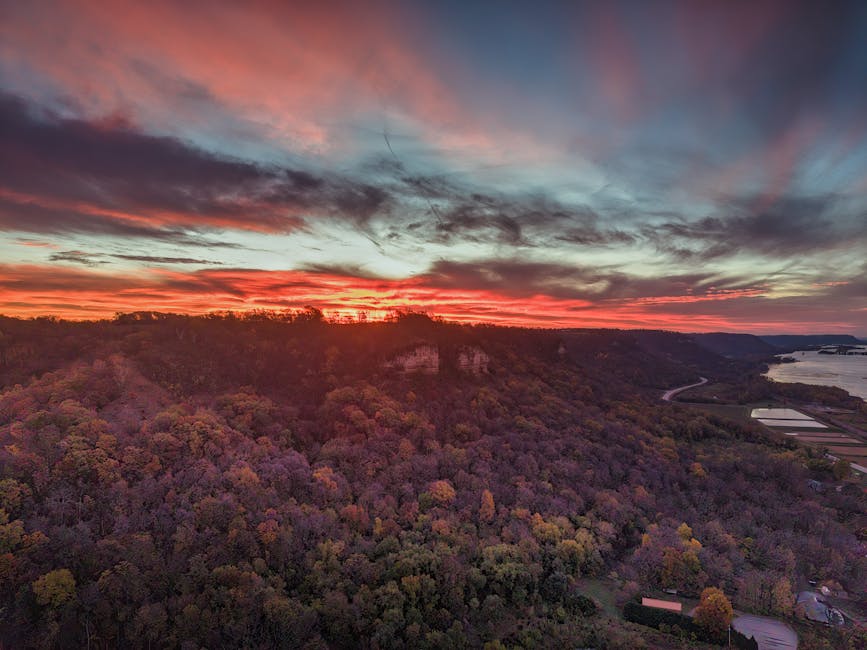
All five sit in the Western Ghats. None of them are interchangeable — they suit different budgets, different travel styles, and different times of year.
- Mahabaleshwar (1,372m, 120 km from Pune) — Best panoramic views, most developed infrastructure, and the highest strawberry production in India from December to March. Arthur’s Seat viewpoint gives a 180-degree sweep across the Sahyadri range. MTDC Resort Mahabaleshwar charges ₹2,800-4,500/night. Peak crowds hit in May when families escape the plains heat — book far ahead or avoid entirely.
- Matheran (800m, 83 km from Mumbai) — India’s only car-free hill station. Access is by Heritage Toy Train from Neral (₹35-110, 2 hours) or horse ride up the hill. No vehicles permitted inside at all. The quiet is the attraction. Best suited for a one-night reset from city noise rather than sightseeing.
- Lonavala (625m, 83 km from Mumbai) — Most accessible by far. Local train from CST takes 1.5 hours at ₹30-40 second class. Go during monsoon (July-September) for Bhushi Dam overflow and Tiger’s Leap waterfall. Maganlal Chikki has been selling its peanut brittle from the same Lonavala shop since 1950 — buy some.
- Panchgani (1,334m, 19 km from Mahabaleshwar) — Table Land, a flat basalt plateau, is its signature: the largest of its kind in Asia, with unobstructed views in every direction. Quieter than Mahabaleshwar, with better budget guesthouses at ₹1,200-2,000/night. Usually combined with Mahabaleshwar in a single 3-4 day hill station trip.
- Igatpuri (588m, 130 km from Mumbai) — Home to the Vipassana International Academy, which runs free 10-day silent meditation courses. For non-meditators: serious trekking, almost zero tourist infrastructure, and the most scenic ghats train section in Maharashtra — the descent from Kasara to Igatpuri through the Sahyadri passes is worth the ticket alone.
Mahabaleshwar combined with a night in Alibaug — hill station followed by coast, manageable by hired car via the Pune-Mangaon route in a single day — makes an unusual honeymoon itinerary in India that covers two completely different landscapes without long transfers.
The Konkan Coast: Alibaug, Tarkarli, and What Each Is Actually Good For
Is Alibaug Worth the Ferry from Mumbai?
Yes, for 1-2 nights. The catamaran from Gateway of India takes under 2 hours and drops you at Mandwa Jetty (₹100-115 one way). Shared autos from Mandwa reach Alibaug town in 25 minutes (₹30-40). Kolaba Fort stands in the water just off Alibaug Beach — walkable at low tide. The sea is murky by Maldivian standards, but the pace and the food compensate: surmai (kingfish) fry at any local restaurant runs ₹200-350. For a Mumbai weekend escape, Alibaug is the obvious call.
What Makes Tarkarli Different from Goa?
The water is clearer, the crowds are thinner, and the cuisine is genuinely better. Tarkarli sits where the Karli river meets the Arabian Sea — the combined estuary creates unusually clear water for this coast. PADI open water diving courses run ₹12,000-18,000 through operators at Chivla Beach; snorkeling gear rents for ₹200-300/hour. The malvani cuisine here — clam curry, fish thali with kokum-based gravy, prawn sukka — is distinct from anything in Goa and worth a trip on its own. The barrier is access: overnight bus from Mumbai Dadar, 10-11 hours, ₹600-900. That travel friction is exactly what keeps Tarkarli less crowded than comparable Goa beaches charging three times the prices.
Can You Visit the Konkan Coast During Monsoon?
Not practically. June through September, coastal roads become unreliable and the Arabian Sea is dangerous for small boats. The Mumbai-Mandwa catamaran suspends service during heavy rain. October to February is the ideal window. March-April is acceptable but increasingly hot. MTDC ferry timetables reduce in shoulder months — confirm schedules before booking accommodation.
What a Maharashtra Trip Costs Per Day: A Realistic Breakdown
| Category | Budget (₹/day) | Mid-range (₹/day) | Comfortable (₹/day) |
|---|---|---|---|
| Accommodation | 700–1,500 | 2,500–5,500 | 7,000–18,000 |
| Food (3 meals) | 250–500 | 700–1,400 | 1,800–4,000 |
| Local transport | 150–500 | 700–1,500 | 2,000–4,500 |
| Sightseeing fees | 100–300 | 300–700 | 700–2,000 |
| Daily total | ₹1,200–2,800 | ₹4,200–9,100 | ₹11,500–28,500 |
Budget means Zostel properties — hostels in Pune (dorm ₹500-700/night) and Mumbai (dorm ₹700-900/night) are clean and social. Mid-range means a 3-star AC room; using a hotel app that shows real-time rate comparisons typically saves 10-18% against walk-in rates, especially in Aurangabad where weekend supply outpaces demand. Comfortable tier: Vivanta Aurangabad runs ₹6,500-9,000/night; The Oberoi Mumbai is ₹18,000-35,000/night depending on season and room category.
The single biggest lever for keeping costs down is intercity rail. The Pune-Aurangabad Shatabdi at ₹400-500 in AC chair car covers a distance that would cost ₹2,500-4,000 by taxi. IRCTC prices are regulated — book early for best availability, not necessarily best price.
The Region That Repays Three Extra Days
Vidarbha, Maharashtra’s eastern zone, receives almost no tourist traffic despite containing Tadoba Andhari Tiger Reserve — one of India’s most consistent parks for actual tiger sightings. Safari jeeps seat up to 6 people and cost ₹2,500-3,500 per session; in the dry months of March-May, tigers move to waterholes on predictable schedules, giving Tadoba sighting rates that rival Ranthambore with a fraction of the crowds. Nagpur is the nearest city, connected to Mumbai by an 8-hour overnight train (₹350-700 sleeper class). If wildlife is the primary reason you travel anywhere, Vidarbha is the strongest argument for extending a Maharashtra itinerary by three days.